Jadeite vs. Nephrite: Understanding There Are Only Two Forms of True Jade

Jadeite vs. Nephrite: Understanding There Are Only Two Forms of True Jade

Jadeite and Nephrite: Two Different Jade, One Name

Although jadeite and nephrite are both called jade, they are entirely different gemstones. They differ in chemical composition, crystal structure, appearance, cultural meaning, collector tastes, and market value.

Difference #1: Chemical and Physical Differences

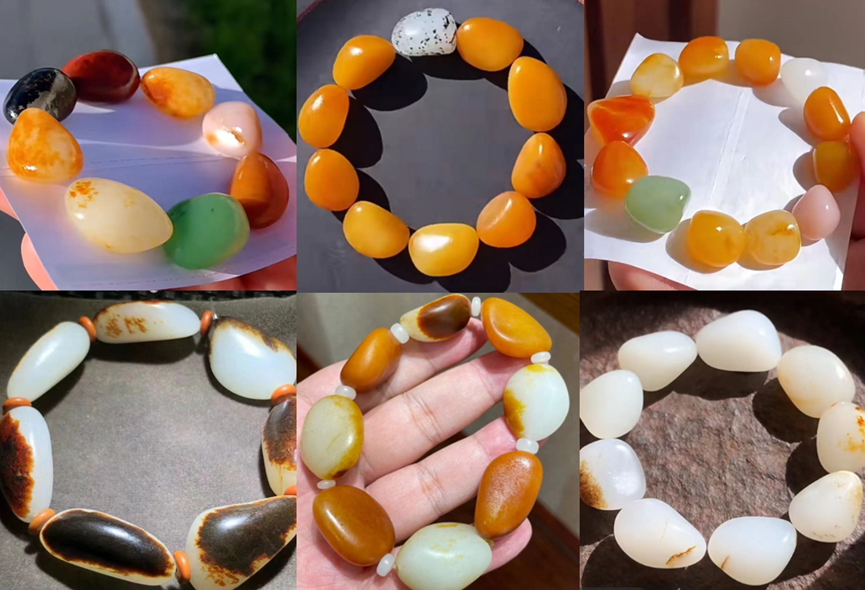
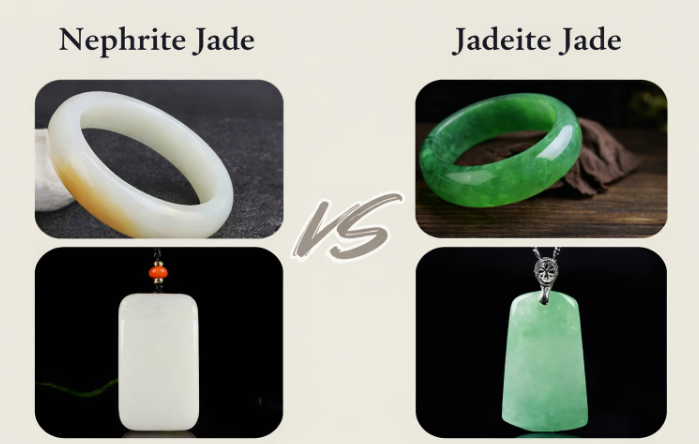
Nephrite jade is a calcium magnesium silicate with a fibrous, interlocking crystal structure. On the Mohs hardness scale, it measures about 6 to 6.5, which makes it a bit softer than jadeite. However, nephrite is actually very tough. It resists breaking and chipping, and it was historically used for tools, ritual objects, and weapons.

Visually, nephrite jade has a soft, waxy texture and a gentle, warm glow. Its colors tend to be calm and earthy, ranging from creamy white and celadon green to pale yellow and brown. This understated inner beauty is the reason nephrite was revered for thousands of years in Chinese culture.

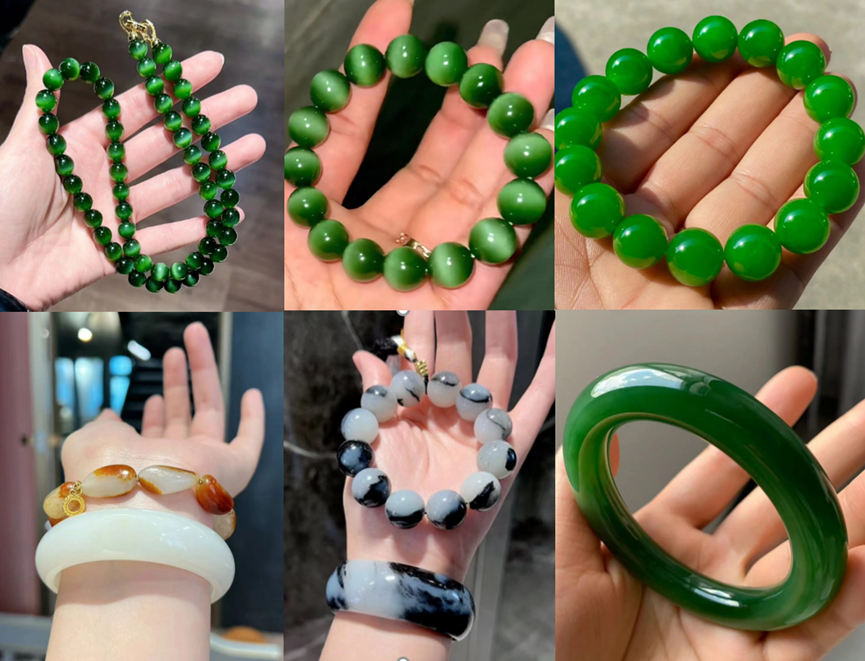
Jadeite, by contrast, is a sodium aluminum silicate with a granular crystal structure. It is harder, measuring 6.5 to 7, and can be polished to a glass-like surface. This structure allows jadeite to display exceptional translucency and vivid color saturation.

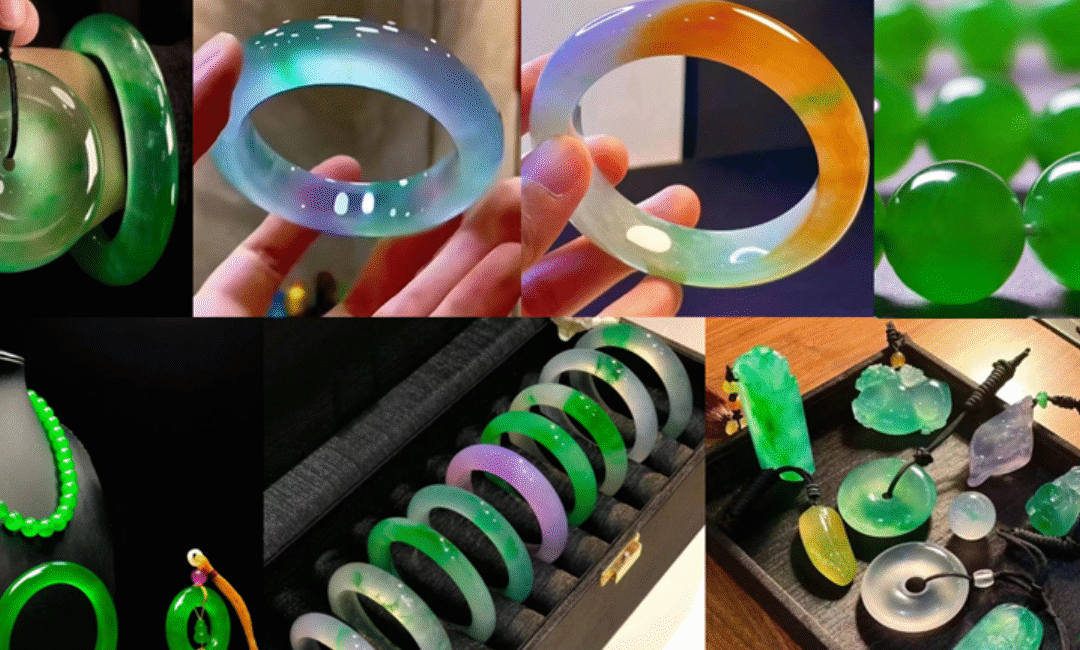
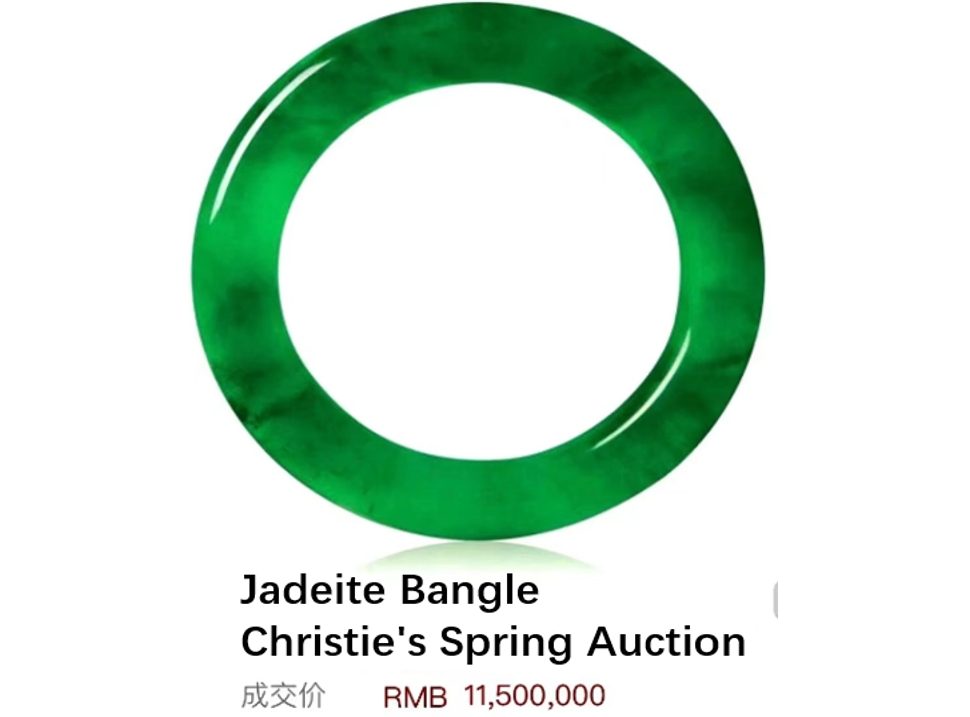
The jadeite gemstone offers a broader color range: icy white, lavender, honey yellow, russet red, deep black, and the legendary Imperial Green. When jadeite quality is high, the stone appears to glow from within, making it one of the most visually striking gemstones in the world, charm flow from inside out. For collectors asking “is jadeite real jade?” or “what is jadeite jade?”, the answer is clear: jadeite is not only real jade, it represents the rarest and most valuable form of jade in today’s market.

Difference #2: Cultural History and Symbolism

For thousands of years, Nephrite was the jade of China.

Long before jadeite entered the Chinese world, Nephrite jade shaped Chinese civilization. It was used in ritual ceremonies, carved into bi-discs, and placed into royal tombs as burial objects. Confucius associated jade with moral virtue, believing it symbolized benevolence, wisdom, humility, and righteousness. From emperors to scholars, Nephrite jade was woven into daily life, philosophy, and spiritual belief.

Jadeite, on the other hand, arrived much later. It was introduced to China from Burma during the late Ming Dynasty and rose to prominence in the Qing Dynasty. Its brilliance, sharp polish, and vivid colors represented a new aesthetic. Jadeite quickly became associated with wealth, power, and imperial taste, especially during the reign of Empress Dowager Cixi, whose love for jadeite helped establish its supreme status.

This historical divide explains why Nephrite often feels restrained and scholarly, while Jadeite feels radiant and luxurious.
Jadeite vs. Nephrite: Understanding There Are Only Two Forms of True Jade

Jadeite vs. Nephrite: Understanding There Are Only Two Forms of True Jade

Difference #3: Color, Appearance, and Artistic Expression

When people compare jade and jadeite visually, the difference is immediate.

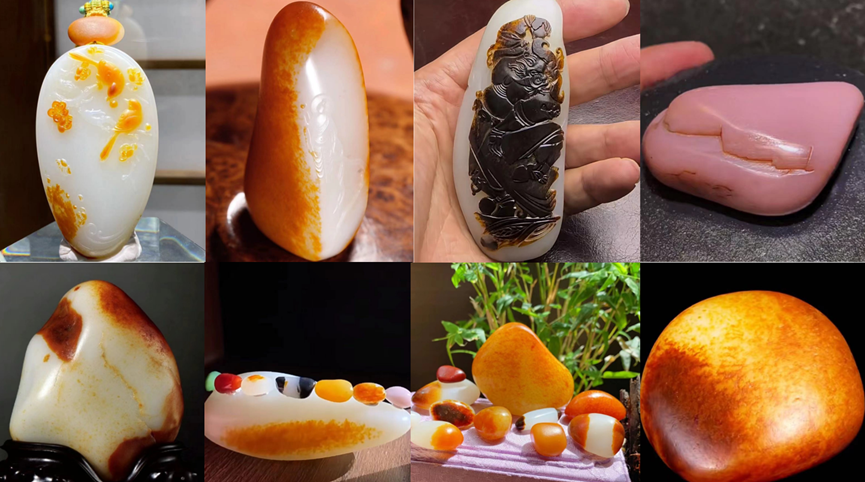
Nephrite jade tends to appear subtle and calm. Even high-quality Hetian jade (also called Xinjiang jade or Hotan jade) does not only rely on bright color but on texture, density, and an inner glow that feels almost alive. Its beauty is quiet, refined, and enduring.

Jadeite jade is more dramatic. Because of its crystal structure, jadeite jade stone material can show vibrant greens, layered color zones, icy translucency, and striking contrasts. This makes Jadeite ideal for cabochons, statement rings, bangles, and fine jade jewelry. Imperial jade cabochon pieces, in particular, represent the pinnacle of jade artistry and value.

For those exploring jade ring meaning or jade ring symbolism, the stone chosen matters deeply. A jadeite ring often symbolizes prosperity, status, and success, while a Nephrite jade ring reflects balance, protection, and inner virtue.

Difference #4: Rarity, Value, and Market Recognition

In today’s global market, jadeite dominates the high-end jade world.

First of all only untreated, natural jadeite (also called Type A jadeite) is considered as true jadeite jade, and high quality pieces are very rare. High-quality Imperial Green and purple jadeite commands extraordinary prices, especially among elite collectors worldwide. This rarity drives jadeite stone price far beyond most other gemstones.

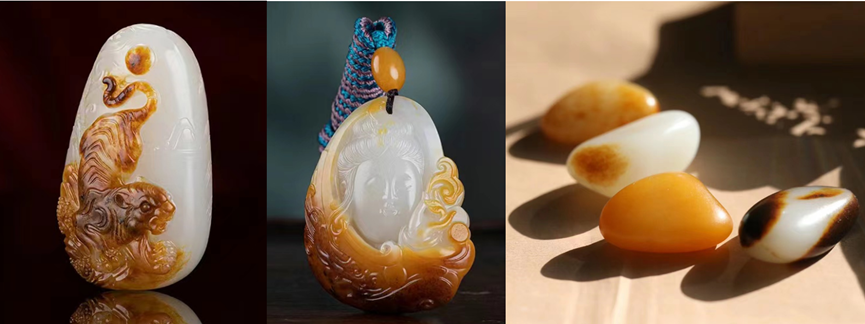
Nephrite jade remains highly respected, especially original jade stone from Hetian sources. While more accessible than jadeite, exceptional Nephrite pieces are still considered authentic jade and hold lasting cultural and artistic value. Among nephrite jade from Xinjiang Hetian, there is one special type called Single-seed Nephrite Jade, which high-end collectors chase the most. We will introduce this special kind of nephrite jade in separate sections.

For buyers searching for real jade, true jade, or original jade, understanding this distinction is critical. Many so-called “jade” items on the market are neither jadeite nor nephrite and should not be mistaken for genuine jade.

Jade at Hermit Jade: Honoring Both Traditions

At Hermit Jade, we work exclusively with authentic jade.

Our Nephrite Jade Collection, including the rare Lonely Stone series, honors the ancient tradition of Hetian jade treasured by scholars, sages, and emperors for thousands of years.

Our Jadeite creations, from jade rings and jade bangles to bespoke jade jewelry, represent the highest expression of natural jadeite gemstone beauty, selected for translucency, color, and integrity.

We believe true luxury begins with understanding. Whether you are buying jadeite online, exploring the meaning of a jade ring, or learning the difference between jade and jadeite, knowledge is the foundation of appreciation.

Because in the end, there are only two true jades. And once you understand them, you will never see “jade” the same way again.
Elevate Your Taste and Appreciation by Exploring Top-Tier Nephrite Jade and Jadeite

Elevate Your Taste and Appreciation by Exploring Top-Tier Nephrite Jade and Jadeite

In the world of jade, top-tier nephrite jade and jadeite stand out as pinnacles of beauty and craftsmanship. While these exquisite pieces may be beyond the reach of most collectors, it is essential for jade enthusiasts to regularly admire and study them. By exposing oneself to the highest quality jade, collectors can refine their taste, enhance their appreciation, and develop a discerning eye. This practice allows enthusiasts to make informed decisions and select beautiful pieces that align with their budget, ultimately enriching their collection with pieces they truly love.

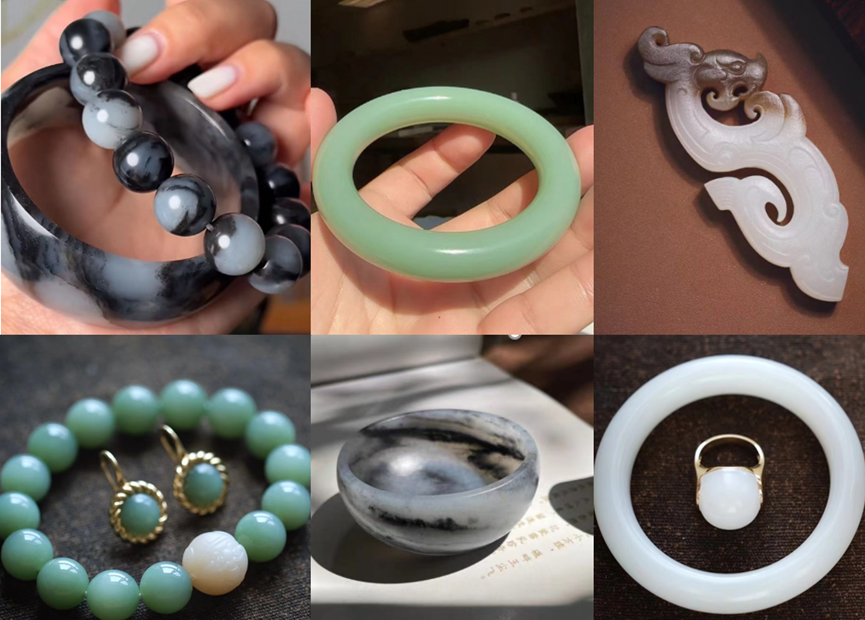
The Allure of Top-Tier Nephrite Jade (Photo Gallery)

The Splendor of Premium Jadeite (Photo Gallery)

At Hermit Jade, we believe that everyone should have the opportunity to appreciate the finest jade. By exploring these top-tier pieces, you can elevate your taste and appreciation, ultimately finding joy in the jade pieces you choose to collect. While owning top-tier nephrite jade and jadeite may be a dream for many, the value of appreciating these masterpieces extends beyond ownership. By immersing yourself in the world of high-quality jade, you can refine your taste, enhance your understanding, and make informed choices that resonate with your personal style and budget. At Hermit Jade, we invite you to explore and admire the beauty of the finest jade, and let it inspire your journey in jade collection.

Caring for Your Soul Mate – Nurturing and Polishing Your Nephrite Jade

Caring for Your Soul Mate – Nurturing and Polishing Your Nephrite Jade

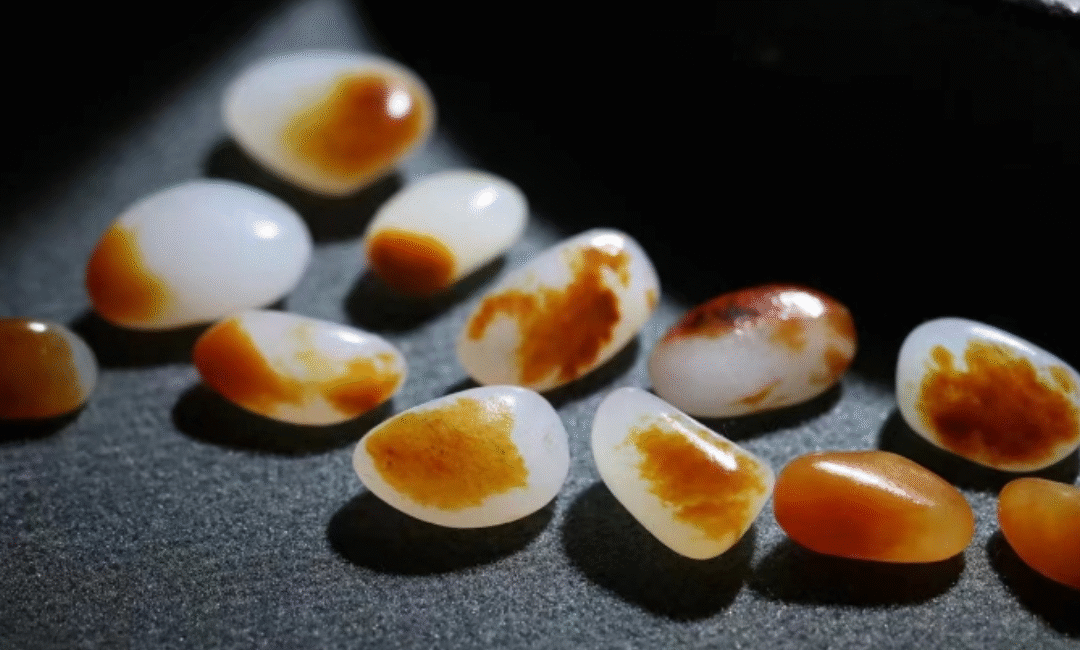
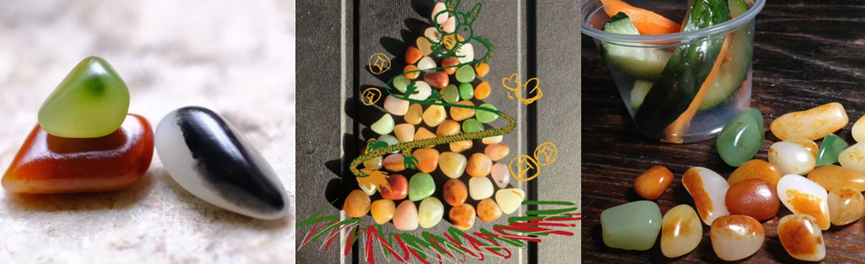
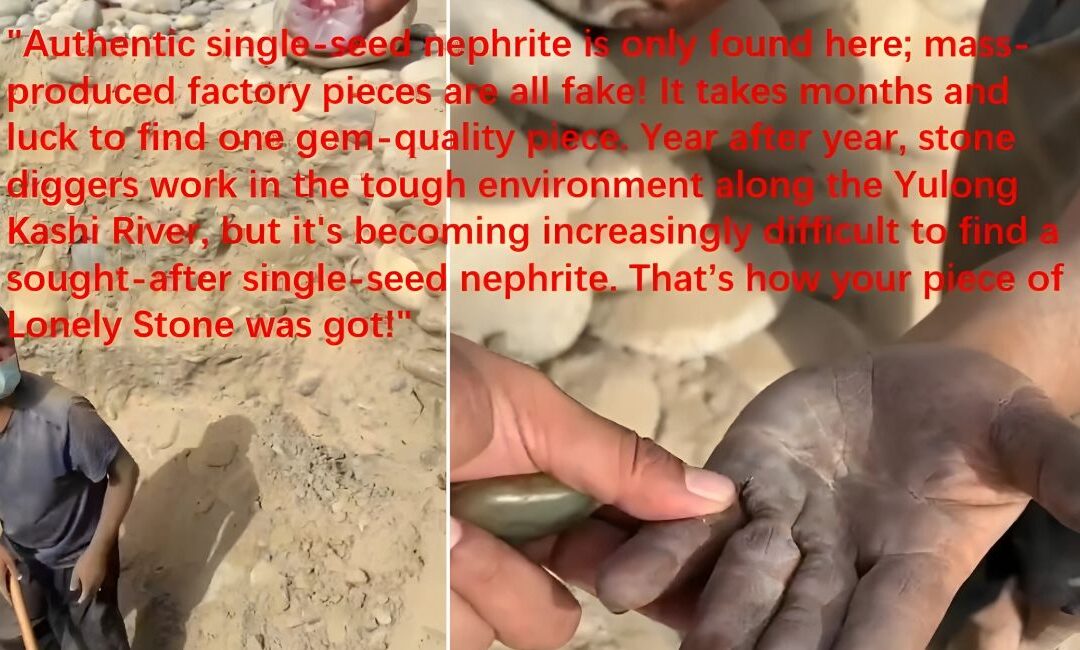
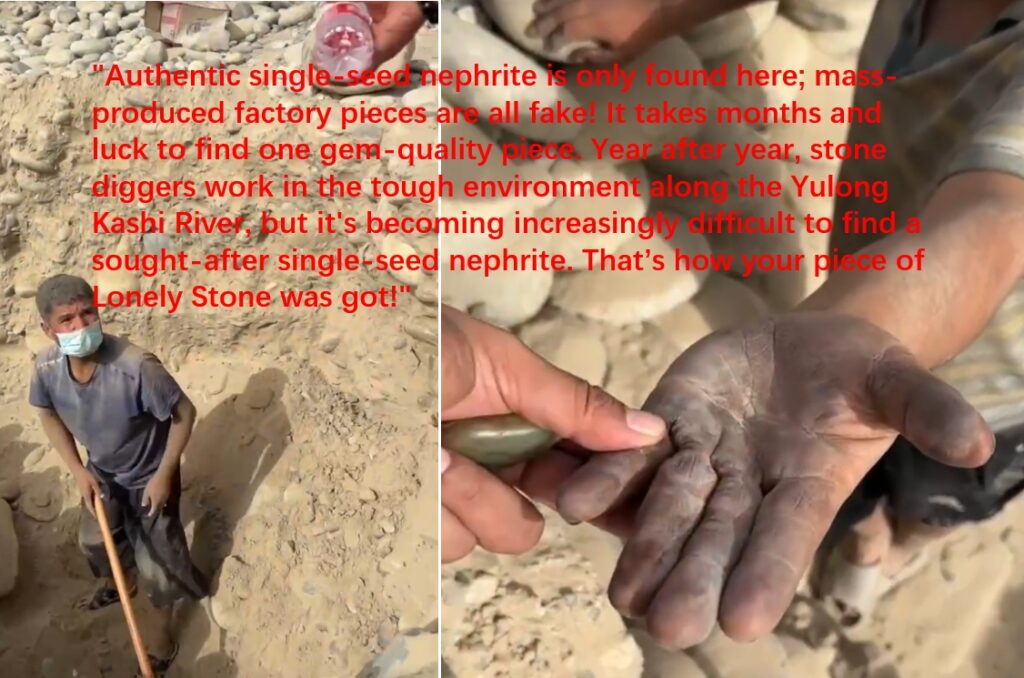
While all jades demand attention, the single-seed nephrite from Xinjiang Hotan holds a distinct allure—it evolves and refines through human touch. This dynamic interaction between the polisher and the Lonely Stone yields a transformative journey, where souls intertwine. Notably, this magical metamorphosis is exclusive to Xinjiang Hotan’s single-seed nephrite, affectionately dubbed the Lonely Stone at Hermit Jade.

The Magic of Nephrite Jade Polishing

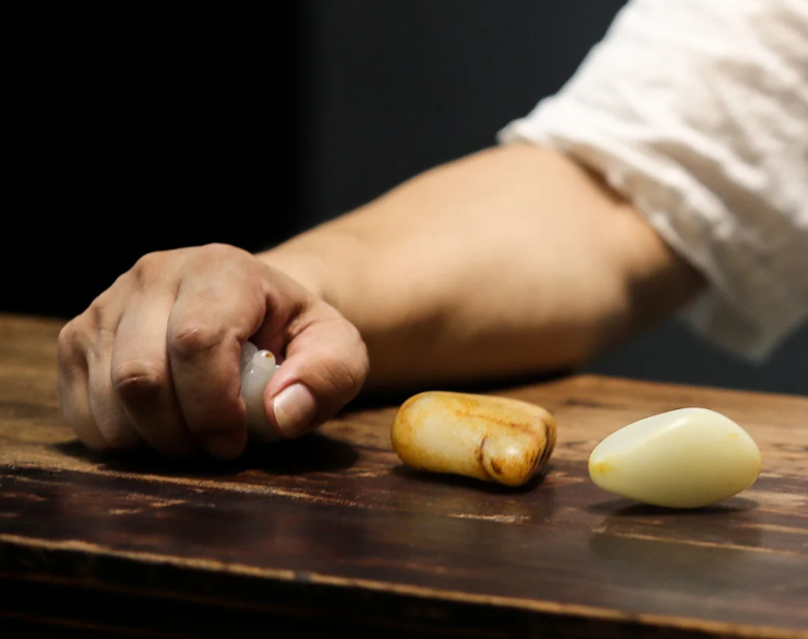
As spring yields to summer, we embrace the changing seasons, indulging in the simple pleasures of life—savoring fresh fruits, relishing plum wine, and tenderly polishing our nephrite jade. For enthusiasts, this ritual is a daily devotion. Seasoned collectors seek “maturity” in their jade, characterized by a natural richness akin to mutton fat—a quality that elevates its allure.

Polishing Nephrite Jade: A Journey of Self-Cultivation

Beyond transforming the stone, polishing nephrite jade refines the polisher’s spirit. In China, jade embodies the essence of a gentleman or a hermit, evoking virtues like wisdom, refinement, and tranquility. Regular polishing is akin to a spiritual discipline, fostering personal growth and embodying timeless virtues.

How to Care for Your Nephrite Jade

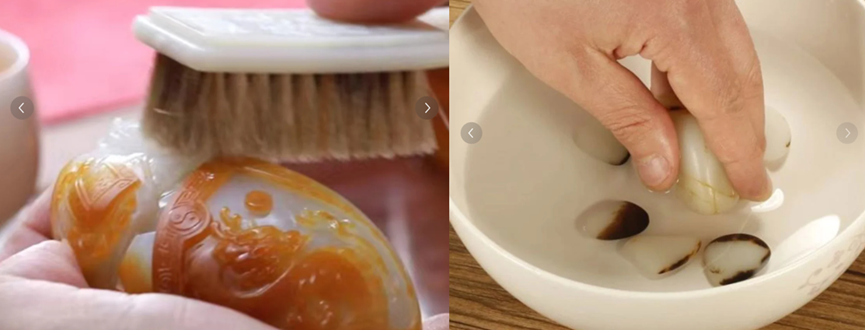
Gentle handling is paramount. Regularly caressing the nephrite jade with clean hands fosters its natural luster, while avoiding harsh abrasion. Incorporating pure, natural maintenance oil accelerates the patina formation, enhancing its timeless appeal. Wearing jade as an accessory further enriches its beauty, as it absorbs the wearer’s essence over time.

Nurturing Your Nephrite Jade

Nephrite jade, a spiritual gem, thrives on meticulous care. Treasuring it is akin to nurturing a cherished bond, with each passing year enriching its beauty. Regular cleaning with warm water and gentle wiping ensures its pristine condition, while safeguarding against corrosion from harsh chemicals.

Bringing Your Nephrite Jade to Life

Polishing jade is more than a physical endeavor—it’s an intimate dialogue that enriches both stone and soul. Through patient refinement, imperfections fade, and its innate splendor shines forth. This journey of transformation fosters a deep connection, enriching both the owner and the treasured piece.

A Collector’s Guide to Building a Nephrite Jade Collection on a Budget

A Collector’s Guide to Building a Nephrite Jade Collection on a Budget

Nephrite Jade, with its timeless allure and profound significance, is a treasure for any collector. However, starting your collection can be daunting, especially when working with a limited budget. Here, we provide a structured approach to help you build a meaningful and impressive Nephrite Jade collection over time.

Step 1: Begin with Lonely Stone Bracelets

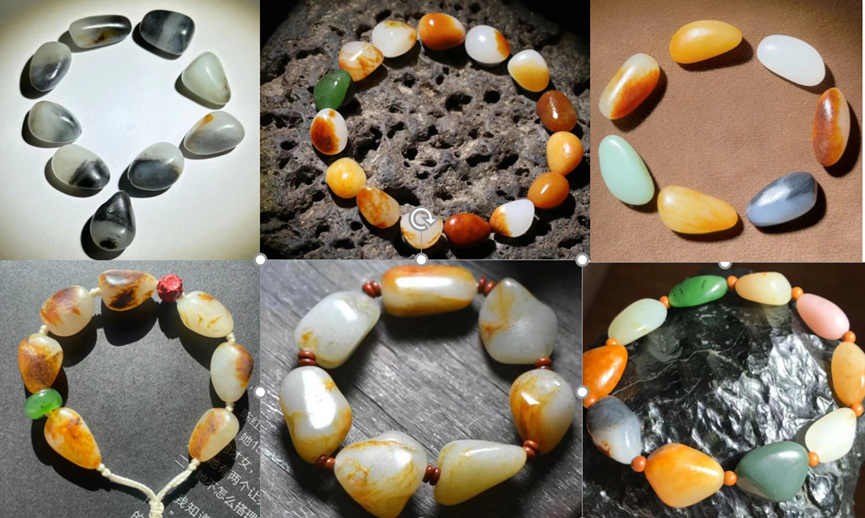
For Women: Start with a bracelet composed of single-seed Nephrite stones, each weighing around 2.5g to 3g. This is a fundamental piece for any collector. You’ll need 12 stones to complete the bracelet. As you progress, consider adding another bracelet with stones weighing between 3.5g and 4.5g, requiring 8 to 9 stones.

For Men: Begin with a bracelet made of stones each weighing between 5.5g and 7g, needing 9 to 10 stones. Additionally, a larger stone bracelet to play with in hand can be a delightful addition.Budget: Expect to spend between $10,000 to $100,000, depending on the number and quality of lonely stones you choose (considering factors like shape, weight, color, and perfection level).

Step 2: Collect Individual Stones for Pendants and Hand Play

After acquiring your lonely stone bracelets, the next step is to collect individual Nephrite stones that resonate with you personally.

For Women: Focus on stones weighing between 10g and 30g to wear as pendants or simply to appreciate and play with in hand.

For Men: Look for stones weighing between 25g and 45g, ideal for the same purposes. After acquiring your lonely stone bracelets, the next desirable is to collect a few individual Nephrite stones that resonate with you personally.

Step 3: Invest in High-Quality Small Stones

Once you’ve established a foundation with your bracelets and individual stones, it’s time to invest in small but high-quality lonely stones.

Recommended Sizes: Collect stones weighing between 2g and 4g. These can be crafted into bracelets, rings, earrings, or pendants, often paired beautifully with 18k gold settings.

Note: While these high-quality stones are small, they are often quite expensive. However, for a high-end collector, possessing a selection of these exquisite stones in various shapes and colors is essential.

Why Start with Lonely Stones?

Starting your collection with single-seed Nephite pieces might seem counterintuitive due to their higher cost, but there are compelling reasons for this approach:

Rarity and Value: Individual stones are very rare and the availability of high-quality lonely stones is decreasing. As they become harder to find, their value and price are likely to increase. Owning these rare stones early on can be a sound investment, as their scarcity will drive up their value over time.

Quality Assurance: These stones represent the highest quality Nephrite Jade, ensuring that your collection begins with exceptional pieces.Versatility: These stones can be crafted into various jewelry pieces or kept as standalone treasures, providing flexibility in how you expand your collection.

Step 4: Expand to Larger Artworks and General Nephrite Pieces

With your basic collection of single-seed Nephrite established, you can start exploring larger Nephrite Jade artworks and products.

Options Include:

Pieces cut and carved from larger single-seed stones. Items made from more common Nephrite sources, such as the green stones from Russia or the white stones from Xinjiang Kunlun Mountain. These sources have vast reserves and much cheaper prices, ensuring that you can always find a piece that you like.

By following this structured approach, you can systematically build a beautiful and valuable Nephrite Jade collection while staying within your budget. Remember, the journey of collecting Nephrite Jade is as rewarding as the stones themselves, offering a timeless connection to nature’s artistry. We hope this guide helps you embark on your Nephrite Jade collecting journey with confidence and joy. If you have any questions or need further assistance, please reach out to our VIP service manager at may.tsiu@hermitjade.com.

Happy collecting!

Rarity of Timeless Charm: Characteristics of Nephrite Pieces Worthy of Collection

Rarity of Timeless Charm: Characteristics of Nephrite Pieces Worthy of Collection

In the world of jade collecting, discerning enthusiasts seek pieces that possess both intrinsic beauty and lasting value. Excluding fake or artificially enhanced jades, the task of assessing and selecting high-quality Nephrite jade requires a keen eye and a nuanced understanding of its various characteristics. In this blog, we explore key aspects to consider when choosing Nephrite jade pieces worthy of collection, drawing upon years of experience and expertise. And for those seeking trusted selections, Hermit Jade offers a curated collection that captures the essence of Nephrite’s timeless allure and exceptional craftsmanship.

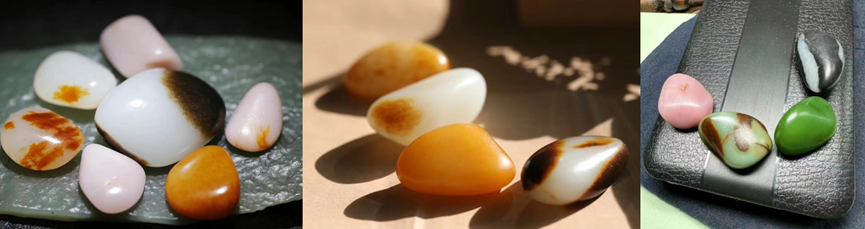
Color: Nephrite jade exhibits a spectrum of colors, each with its own allure. While personal preferences may vary, the general principle is to seek colors that are vibrant, deep, and free of gray undertones. Rare colors, such as bright reds or oranges, or blends of multiple hues, add to the piece’s rarity and evocative appeal.

Shape and Form: Whether delicately carved or naturally shaped, the form of a Nephrite jade piece contributes to its visual impact and artistic expression. Look for graceful curves, balanced proportions, and pleasing contours that evoke a sense of harmony and sophistication. Each piece’s unique shape tells a story of its journey through time and nature, adding to its collectible charm.

Delicacy and Fineness: The texture of Nephrite jade, often likened to fine flesh, should be smooth and tight, with a dense microstructure. Avoid pieces with loose or coarse textures, opting instead for those that exude a creamy, luxurious feel reminiscent of high-quality yogurt.

Oil Sheen: A significant oil sheen, or “Nephrite glow,” is a hallmark of premium-quality Nephrite jade. This luminous effect, visible both internally and on the surface, enhances the stone’s beauty, creaminess, and tactile allure. Seek pieces that radiate with a subtle yet captivating glow, indicative of their exceptional quality.

Origin: While Nephrite jade can be found in various regions, pieces from rare or harder-to-reach locations, such as Xinjiang Hotan, hold greater investment potential. Beware of counterfeit pieces masquerading as high-quality jade and seek trusted sources for authentic acquisitions.

History and Cultural Context: Pieces that have endured the test of time, bearing the marks of eons of geological and environmental changes, hold a special allure for collectors. Consider the origins and journey of each piece, from the depths of the earth to its present form, imbuing it with a rich tapestry of history and culture.

Carving Technique and Artistic Expression: Exquisite craftsmanship and artistic mastery elevate Nephrite jade artworks to new heights of beauty and sophistication. Assess the intricacy of carving techniques, the precision of details, and the overall artistic expression, allowing each piece to tell its unique story.

Flaws and Imperfections: Embrace the natural imperfections of rare jade pieces as part of their inherent beauty and character. While flawless specimens are rare and often indicative of artificial enhancement, acceptable flaws can add to the piece’s authenticity and charm.

Personal Connection: Ultimately, trust your instincts and cultivate a personal connection with Nephrite jade pieces that speak to your heart and soul. Let your intuition guide you in selecting pieces that resonate with your sensibilities and evoke a sense of wonder and delight.

In conclusion, the allure of Nephrite jade lies not only in its intrinsic beauty but also in its enduring value as a collectible treasure. By considering the aforementioned characteristics, collectors can embark on a journey of discovery and appreciation, enriching their lives and legacies for generations to come.

Exposing the Tricks of the Trade: Deceptive Practices in the World of Nephrite Jade

Exposing the Tricks of the Trade: Deceptive Practices in the World of Nephrite Jade

Nephrite jade, especially the esteemed variety from Xinjiang Hotan, has always fascinated buyers and collectors with its charm. However, lurking beneath its mystique are pervasive tactics employed by sellers to deceive unsuspecting buyers. In this blog, we’ll delve into the prevalent methods utilized to deceive buyers and offer tips for navigating this intricate market. Understanding what makes authentic nephrite unique and how it can be altered is essential for making smart purchases.

Fake Nephrite:

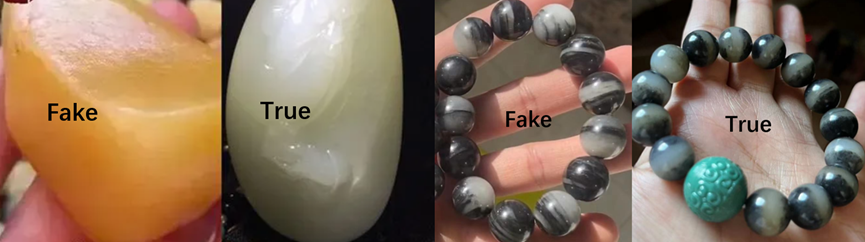
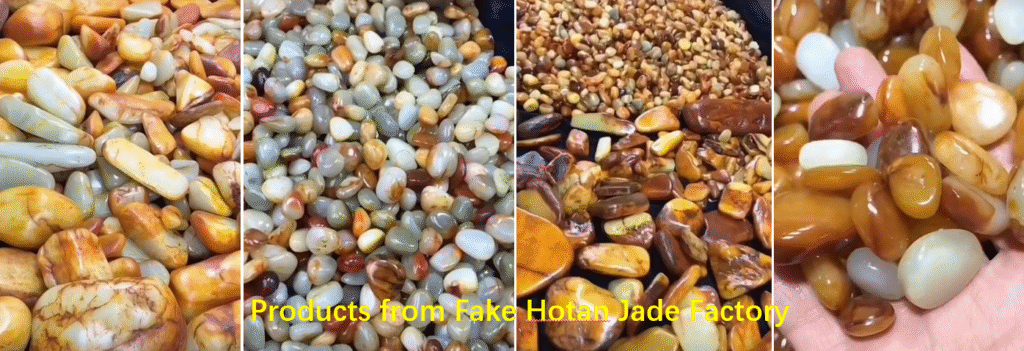
Counterfeit nephrite, frequently fashioned from less expensive jades or alternative materials such as glass, starkly contrasts with authentic Nephrite in terms of color, texture, and luster. Recognizing these distinct differences becomes feasible for buyers acquainted with genuine nephrite upon close inspection.

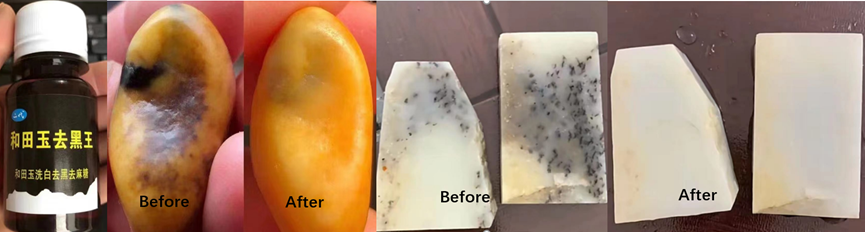
Whitening and Cleaning: Chemical treatments designed to whiten or eliminate impurities, whether applied to the surface or within the stone, can significantly alter the natural texture and color of nephrite. These processes not only compromise the stone’s authenticity but also raise concerns about potential health risks associated with the altered composition.

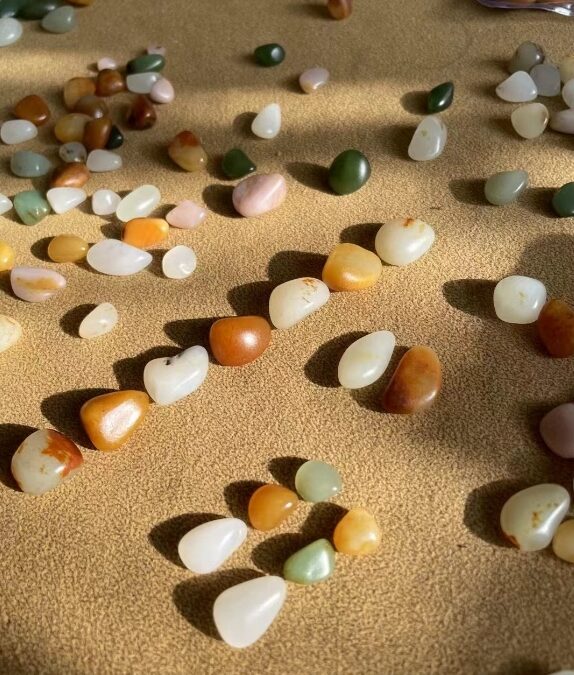
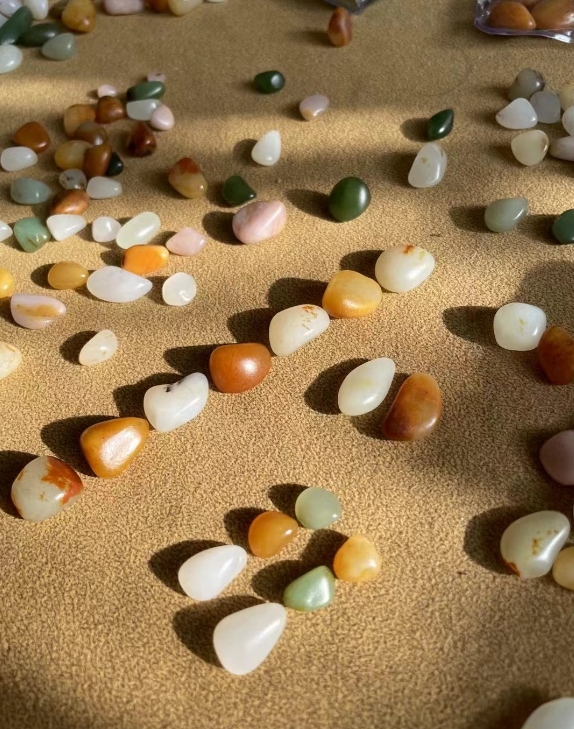
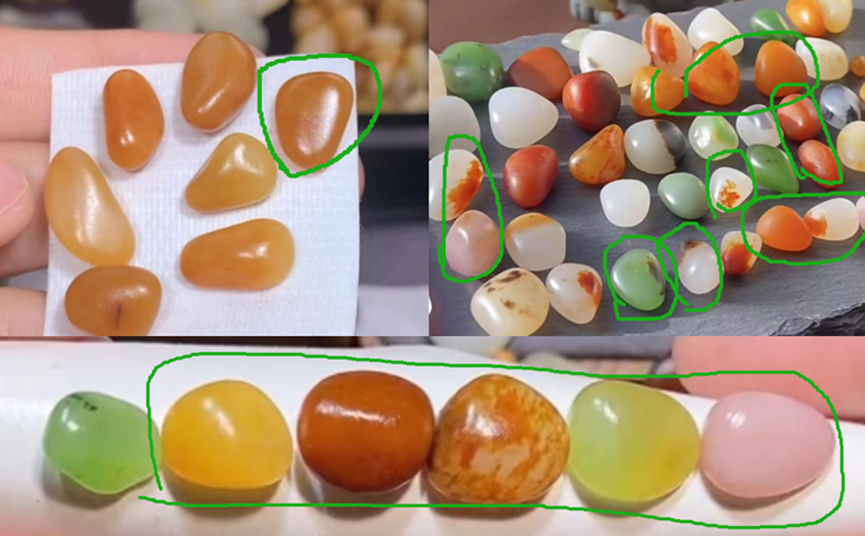
Fake Skin and Color: The natural skin and color are distinctive features of single-seed Nephrite from the Xinjiang Hotan region, cherished for their unique charm, rarity, and exceptional collectible value. Given their allure, counterfeiters employ intricate techniques to replicate these traits, aiming to deceive collectors. The rapid evolution of faking technology presents significant challenges for buyers seeking genuine single-seed specimens from Xinjiang Hotan, underscoring the importance of vigilance and expertise in the purchasing process.

Shaping Enhancement: The process of shaping is predominantly applied to smaller single-seed Nephrite specimens sourced from Xinjiang Hotan, with the objective of refining their aesthetic appeal through meticulous polishing and buffing to conceal any imperfections. While shaping does not alter the essence of the Nephrite and indeed enhances its visual appeal, seasoned jade collectors typically favor unaltered single-seed pieces. Additionally, the monetary value of shaped and polished single-seed specimens is significantly lower compared to unshaped specimens with a similar appearance. Distinguishing between polished and unaltered pieces can be challenging, especially when dealing with minor alterations.

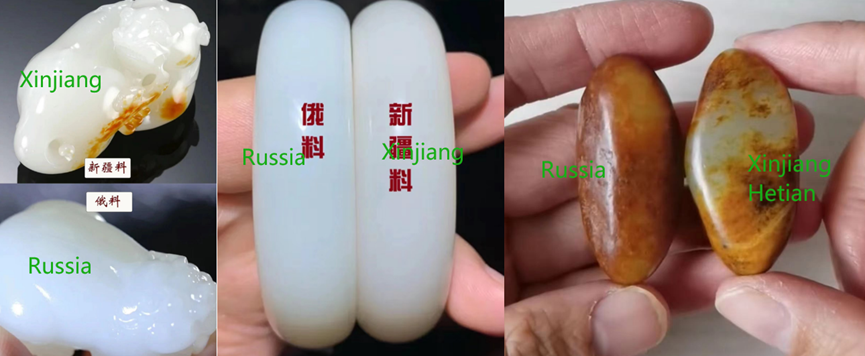
Misrepresentation of Origin: Sellers often misrepresent Nephrite sourced from regions with higher production and lower prices as originating from Xinjiang Hotan. This deceitful practice exploits unaware buyers who pay a premium for misrepresented origins.

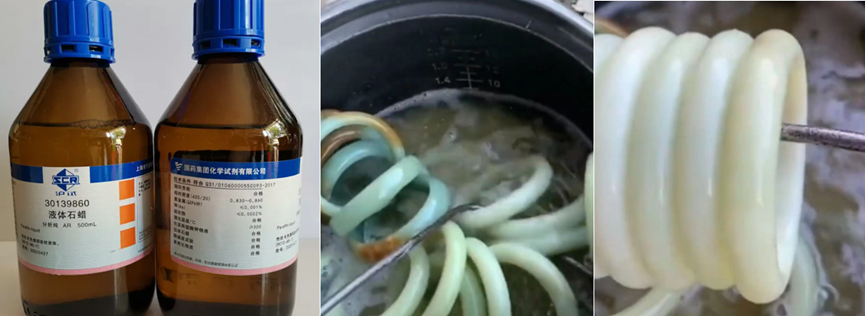
Waxing: Waxing is a prevalent method used to enhance Nephrite, especially in bangles and carved pieces. While temporarily concealing imperfections and lending a smoother appearance, the effects are short-lived, with flaws reemerging over time and the stone losing its original quality.

Certification: Fake nephrite cannot obtain certification from accredited authorities. However, other artificially enhanced or produced types of nephrite, regardless of their origin, are eligible for Nephrite certification. As a result, seasoned collectors often overlook or disregard certification when evaluating the authenticity and value of a piece.

Buyer Tips: For new buyers, getting a certificate can help avoid fake nephrite, but telling real from enhanced nephrite can be tough. Stay away from tourist shops, as they often sell fake or misrepresented nephrite. And remember, if the price seems too good to be true, it probably is. Genuine, top-quality nephrite doesn’t come cheap. In conclusion, awareness of deceptive practices is crucial in the world of nephrite jade. Understanding how nephrite can be counterfeited or altered empowers buyers to make informed decisions and appreciate the true beauty of authentic pieces. At Hermit Jade, we’re dedicated to safeguarding you from these deceptive tactics. Our commitment to honesty and transparency means that every jade piece you acquire from us is genuine and exceptional. With our integrity as your shield, you can purchase with confidence and peace of mind. Over time, as you become more familiar with genuine pieces and their unique charm, you’ll develop a keen sense for detecting fakes or enhanced pieces.