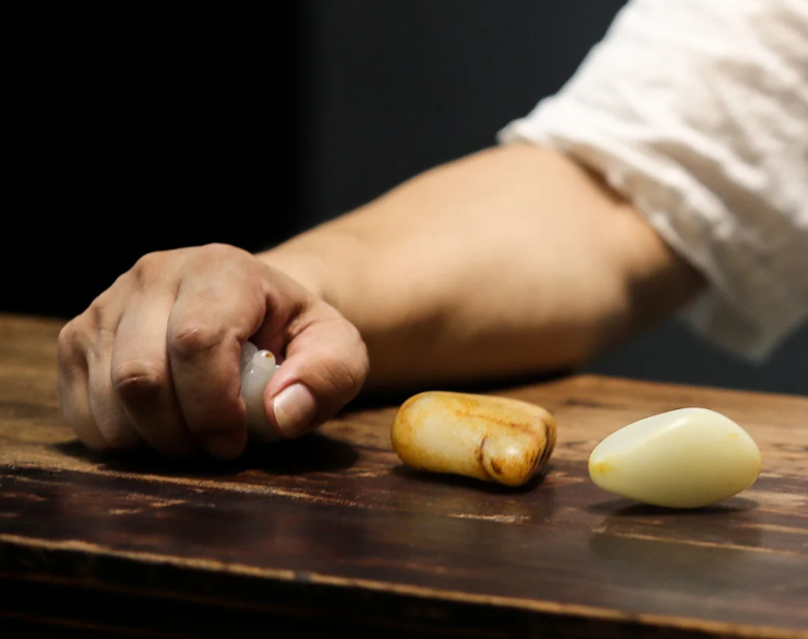
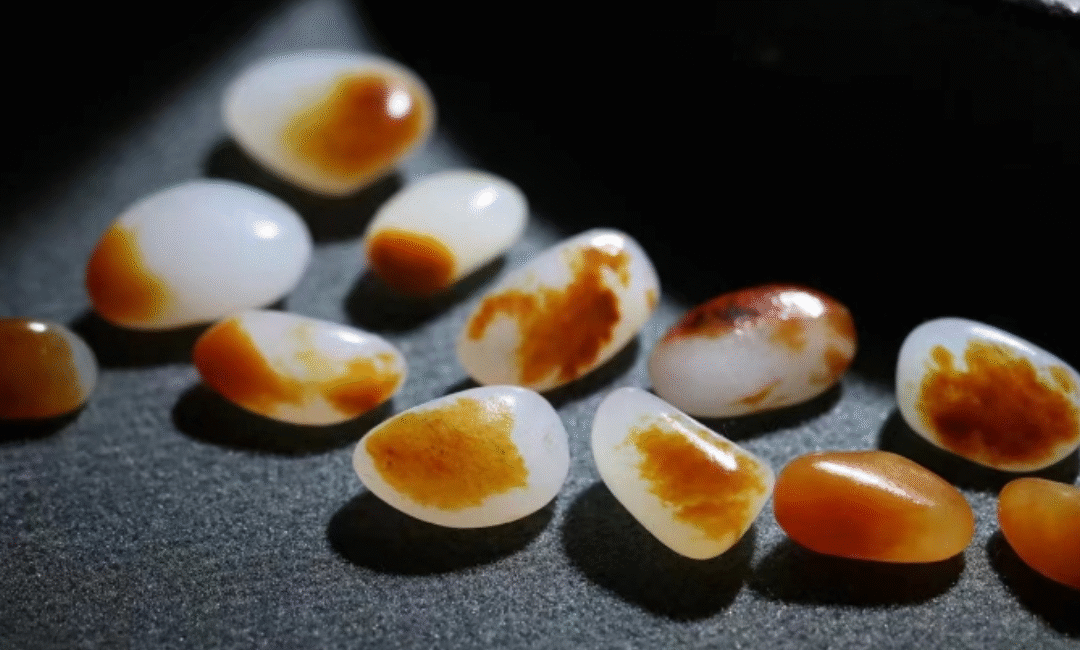
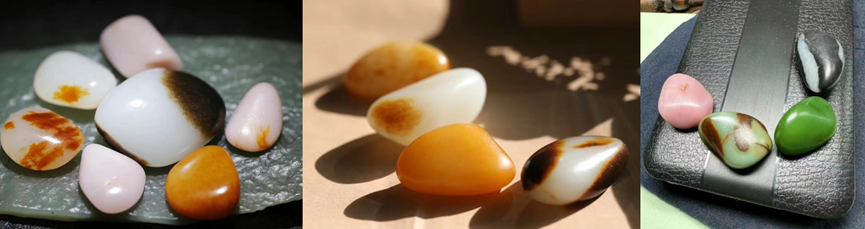
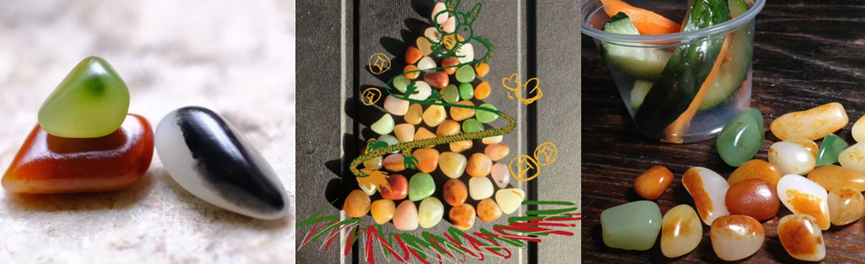
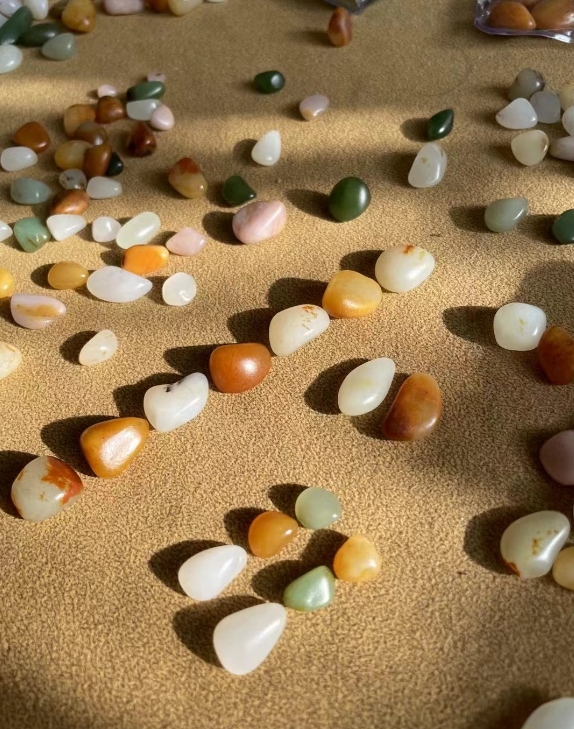
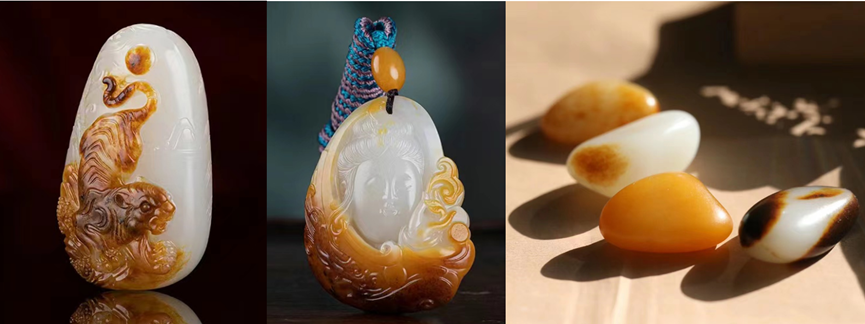
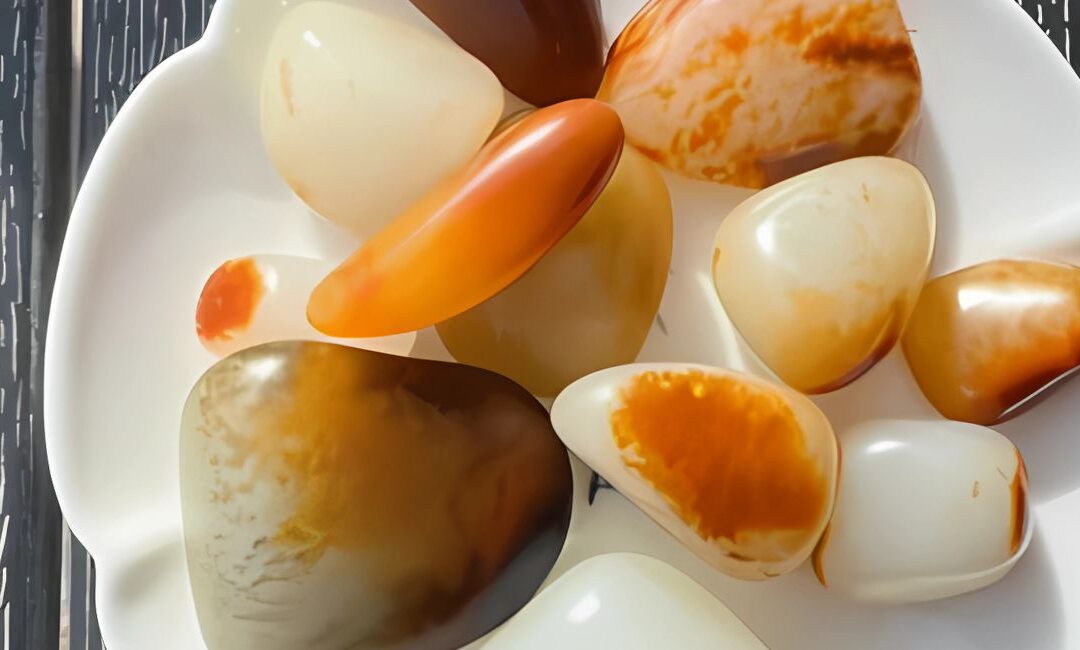
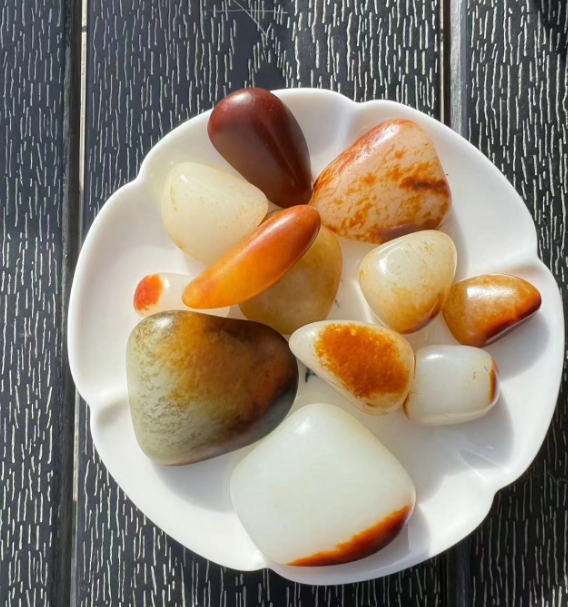
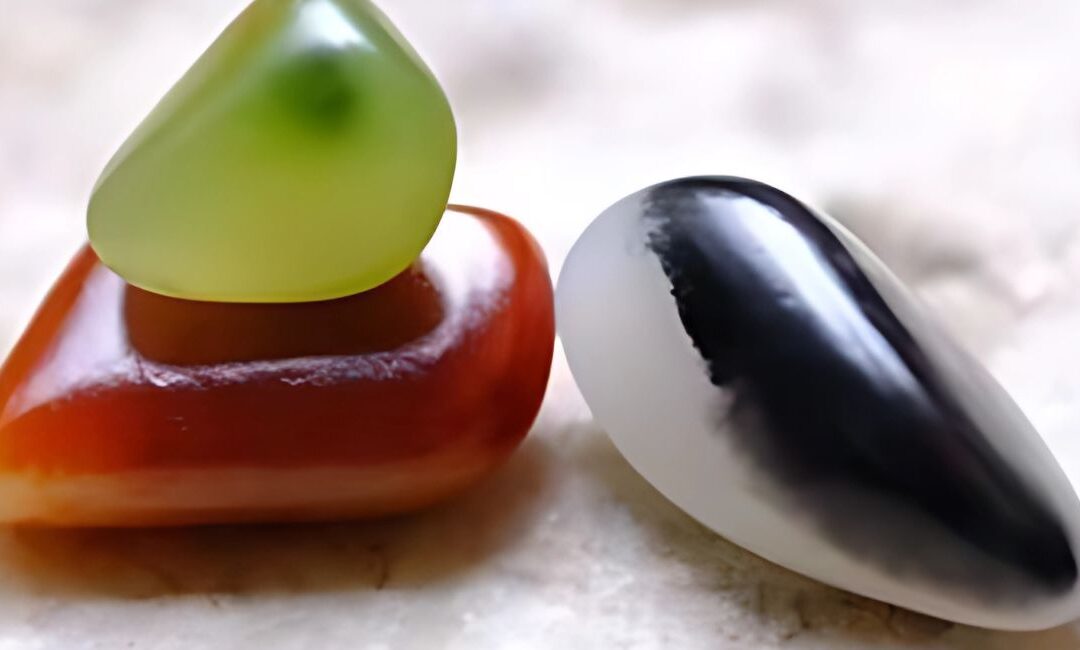
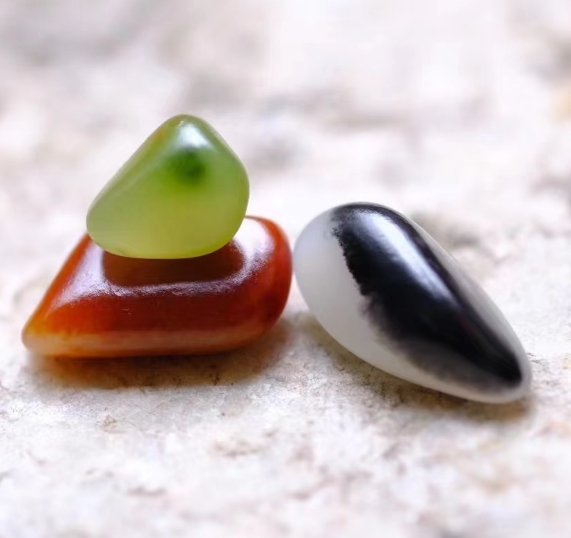
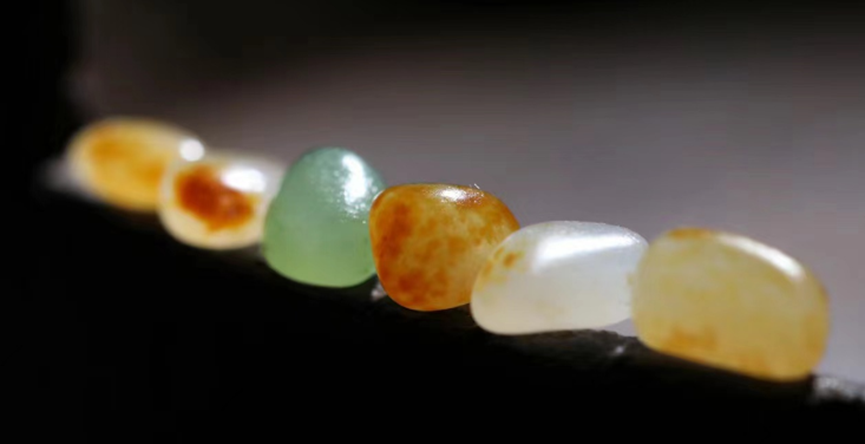
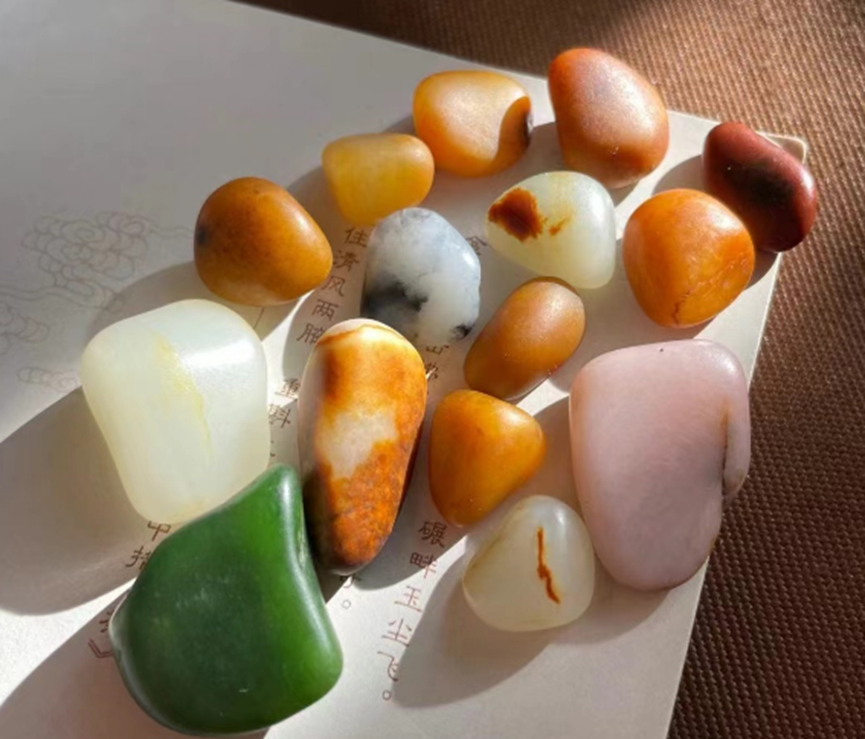
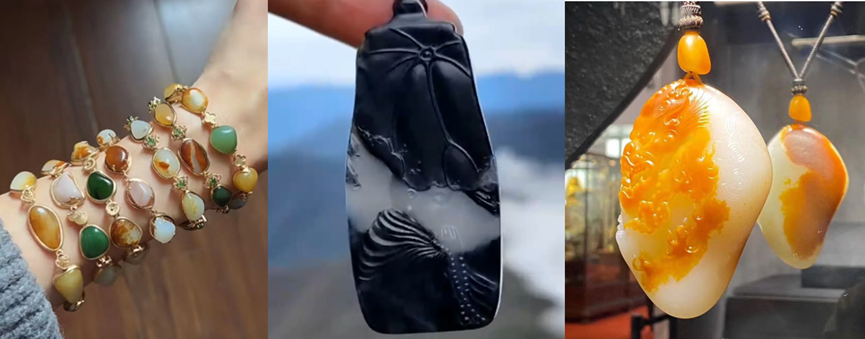
While all jades demand attention, the single-seed nephrite from Xinjiang Hotan holds a distinct allure—it evolves and refines through human touch. This dynamic interaction between the polisher and the Lonely Stone yields a transformative journey, where souls intertwine. Notably, this magical metamorphosis is exclusive to Xinjiang Hotan’s single-seed nephrite, affectionately dubbed the Lonely Stone at Hermit Jade.
The Magic of Nephrite Jade Polishing
As spring yields to summer, we embrace the changing seasons, indulging in the simple pleasures of life—savoring fresh fruits, relishing plum wine, and tenderly polishing our nephrite jade. For enthusiasts, this ritual is a daily devotion. Seasoned collectors seek “maturity” in their jade, characterized by a natural richness akin to mutton fat—a quality that elevates its allure.
Polishing Nephrite Jade: A Journey of Self-Cultivation
Beyond transforming the stone, polishing nephrite jade refines the polisher’s spirit. In China, jade embodies the essence of a gentleman or a hermit, evoking virtues like wisdom, refinement, and tranquility. Regular polishing is akin to a spiritual discipline, fostering personal growth and embodying timeless virtues.
How to Care for Your Nephrite Jade
Gentle handling is paramount. Regularly caressing the nephrite jade with clean hands fosters its natural luster, while avoiding harsh abrasion. Incorporating pure, natural maintenance oil accelerates the patina formation, enhancing its timeless appeal. Wearing jade as an accessory further enriches its beauty, as it absorbs the wearer’s essence over time.
Nurturing Your Nephrite Jade
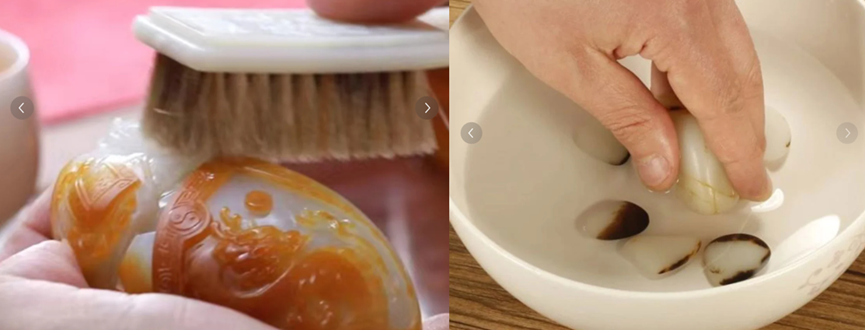
Nephrite jade, a spiritual gem, thrives on meticulous care. Treasuring it is akin to nurturing a cherished bond, with each passing year enriching its beauty. Regular cleaning with warm water and gentle wiping ensures its pristine condition, while safeguarding against corrosion from harsh chemicals.
Bringing Your Nephrite Jade to Life
Polishing jade is more than a physical endeavor—it’s an intimate dialogue that enriches both stone and soul. Through patient refinement, imperfections fade, and its innate splendor shines forth. This journey of transformation fosters a deep connection, enriching both the owner and the treasured piece.
Nephrite Jade, with its timeless allure and profound significance, is a treasure for any collector. However, starting your collection can be daunting, especially when working with a limited budget. Here, we provide a structured approach to help you build a meaningful and impressive Nephrite Jade collection over time.
Step 1: Begin with Lonely Stone Bracelets
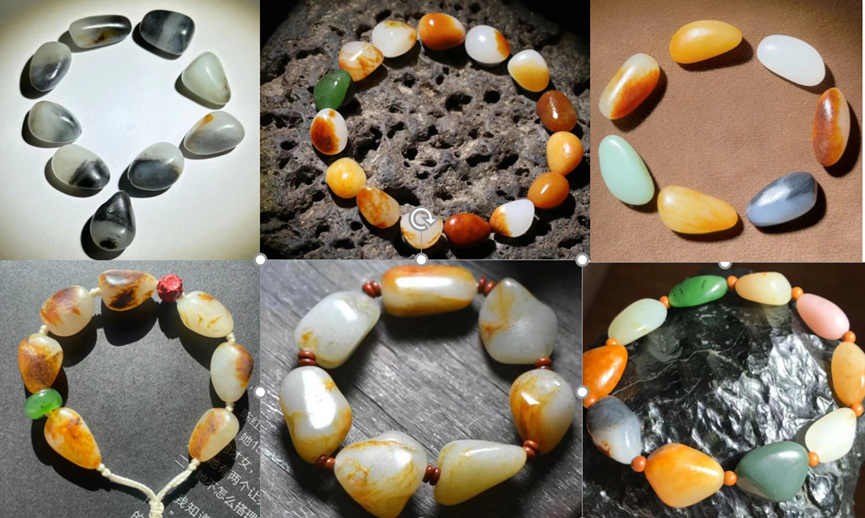
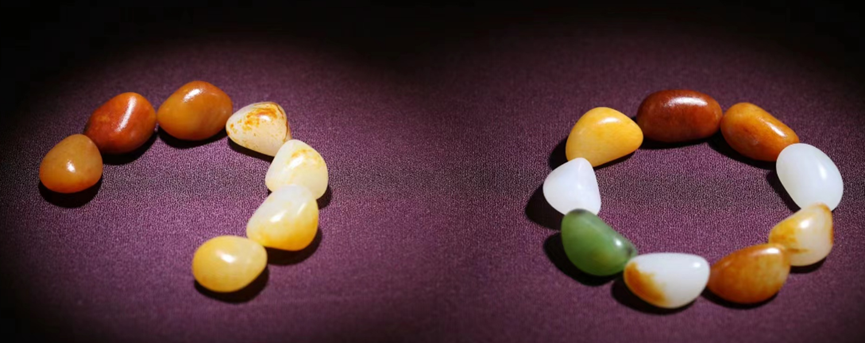
For Women: Start with a bracelet composed of single-seed Nephrite stones, each weighing around 2.5g to 3g. This is a fundamental piece for any collector. You’ll need 12 stones to complete the bracelet. As you progress, consider adding another bracelet with stones weighing between 3.5g and 4.5g, requiring 8 to 9 stones.
For Men: Begin with a bracelet made of stones each weighing between 5.5g and 7g, needing 9 to 10 stones. Additionally, a larger stone bracelet to play with in hand can be a delightful addition.Budget: Expect to spend between $10,000 to $100,000, depending on the number and quality of lonely stones you choose (considering factors like shape, weight, color, and perfection level).
Step 2: Collect Individual Stones for Pendants and Hand Play
After acquiring your lonely stone bracelets, the next step is to collect individual Nephrite stones that resonate with you personally.
For Women: Focus on stones weighing between 10g and 30g to wear as pendants or simply to appreciate and play with in hand.
For Men: Look for stones weighing between 25g and 45g, ideal for the same purposes. After acquiring your lonely stone bracelets, the next desirable is to collect a few individual Nephrite stones that resonate with you personally.
Step 3: Invest in High-Quality Small Stones
Once you’ve established a foundation with your bracelets and individual stones, it’s time to invest in small but high-quality lonely stones.
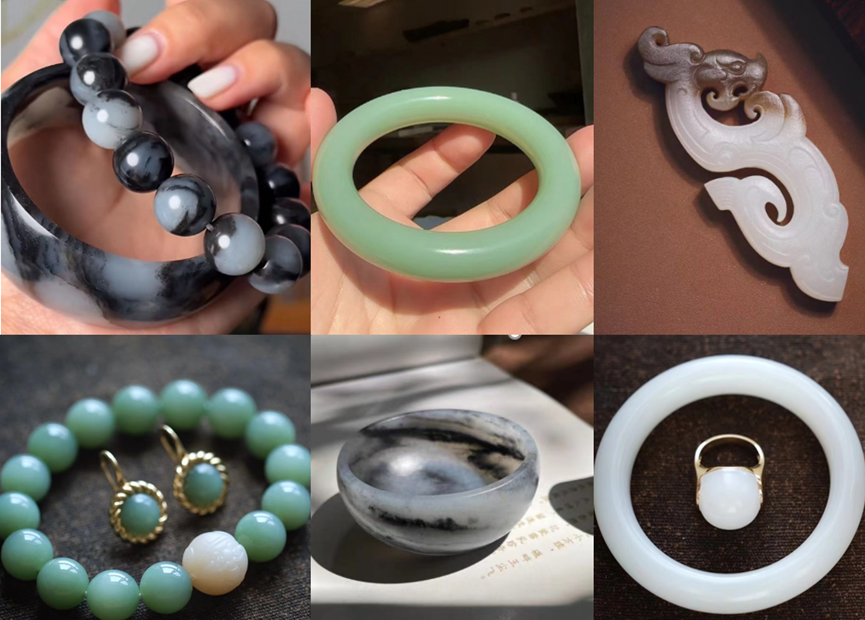
Recommended Sizes: Collect stones weighing between 2g and 4g. These can be crafted into bracelets, rings, earrings, or pendants, often paired beautifully with 18k gold settings.
Note: While these high-quality stones are small, they are often quite expensive. However, for a high-end collector, possessing a selection of these exquisite stones in various shapes and colors is essential.
Why Start with Lonely Stones?
Starting your collection with single-seed Nephite pieces might seem counterintuitive due to their higher cost, but there are compelling reasons for this approach:
Rarity and Value: Individual stones are very rare and the availability of high-quality lonely stones is decreasing. As they become harder to find, their value and price are likely to increase. Owning these rare stones early on can be a sound investment, as their scarcity will drive up their value over time.
Quality Assurance: These stones represent the highest quality Nephrite Jade, ensuring that your collection begins with exceptional pieces.Versatility: These stones can be crafted into various jewelry pieces or kept as standalone treasures, providing flexibility in how you expand your collection.
Step 4: Expand to Larger Artworks and General Nephrite Pieces
With your basic collection of single-seed Nephrite established, you can start exploring larger Nephrite Jade artworks and products.
Options Include:
Pieces cut and carved from larger single-seed stones. Items made from more common Nephrite sources, such as the green stones from Russia or the white stones from Xinjiang Kunlun Mountain. These sources have vast reserves and much cheaper prices, ensuring that you can always find a piece that you like.
By following this structured approach, you can systematically build a beautiful and valuable Nephrite Jade collection while staying within your budget. Remember, the journey of collecting Nephrite Jade is as rewarding as the stones themselves, offering a timeless connection to nature’s artistry. We hope this guide helps you embark on your Nephrite Jade collecting journey with confidence and joy. If you have any questions or need further assistance, please reach out to our VIP service manager at may.tsiu@hermitjade.com.
In the world of jade collecting, discerning enthusiasts seek pieces that possess both intrinsic beauty and lasting value. Excluding fake or artificially enhanced jades, the task of assessing and selecting high-quality Nephrite jade requires a keen eye and a nuanced understanding of its various characteristics. In this blog, we explore key aspects to consider when choosing Nephrite jade pieces worthy of collection, drawing upon years of experience and expertise. And for those seeking trusted selections, Hermit Jade offers a curated collection that captures the essence of Nephrite’s timeless allure and exceptional craftsmanship.
Color: Nephrite jade exhibits a spectrum of colors, each with its own allure. While personal preferences may vary, the general principle is to seek colors that are vibrant, deep, and free of gray undertones. Rare colors, such as bright reds or oranges, or blends of multiple hues, add to the piece’s rarity and evocative appeal.
Shape and Form: Whether delicately carved or naturally shaped, the form of a Nephrite jade piece contributes to its visual impact and artistic expression. Look for graceful curves, balanced proportions, and pleasing contours that evoke a sense of harmony and sophistication. Each piece’s unique shape tells a story of its journey through time and nature, adding to its collectible charm.
Delicacy and Fineness: The texture of Nephrite jade, often likened to fine flesh, should be smooth and tight, with a dense microstructure. Avoid pieces with loose or coarse textures, opting instead for those that exude a creamy, luxurious feel reminiscent of high-quality yogurt.
Oil Sheen: A significant oil sheen, or “Nephrite glow,” is a hallmark of premium-quality Nephrite jade. This luminous effect, visible both internally and on the surface, enhances the stone’s beauty, creaminess, and tactile allure. Seek pieces that radiate with a subtle yet captivating glow, indicative of their exceptional quality.
Origin: While Nephrite jade can be found in various regions, pieces from rare or harder-to-reach locations, such as Xinjiang Hotan, hold greater investment potential. Beware of counterfeit pieces masquerading as high-quality jade and seek trusted sources for authentic acquisitions.
History and Cultural Context: Pieces that have endured the test of time, bearing the marks of eons of geological and environmental changes, hold a special allure for collectors. Consider the origins and journey of each piece, from the depths of the earth to its present form, imbuing it with a rich tapestry of history and culture.
Carving Technique and Artistic Expression: Exquisite craftsmanship and artistic mastery elevate Nephrite jade artworks to new heights of beauty and sophistication. Assess the intricacy of carving techniques, the precision of details, and the overall artistic expression, allowing each piece to tell its unique story.
Flaws and Imperfections: Embrace the natural imperfections of rare jade pieces as part of their inherent beauty and character. While flawless specimens are rare and often indicative of artificial enhancement, acceptable flaws can add to the piece’s authenticity and charm.
Personal Connection: Ultimately, trust your instincts and cultivate a personal connection with Nephrite jade pieces that speak to your heart and soul. Let your intuition guide you in selecting pieces that resonate with your sensibilities and evoke a sense of wonder and delight.
In conclusion, the allure of Nephrite jade lies not only in its intrinsic beauty but also in its enduring value as a collectible treasure. By considering the aforementioned characteristics, collectors can embark on a journey of discovery and appreciation, enriching their lives and legacies for generations to come.
Nephrite jade, especially the esteemed variety from Xinjiang Hotan, has always fascinated buyers and collectors with its charm. However, lurking beneath its mystique are pervasive tactics employed by sellers to deceive unsuspecting buyers. In this blog, we’ll delve into the prevalent methods utilized to deceive buyers and offer tips for navigating this intricate market. Understanding what makes authentic nephrite unique and how it can be altered is essential for making smart purchases.
Fake Nephrite:
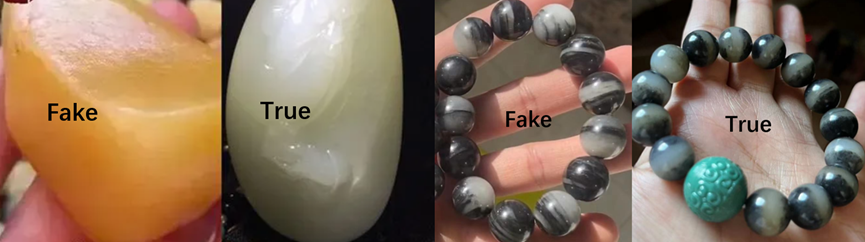
Counterfeit nephrite, frequently fashioned from less expensive jades or alternative materials such as glass, starkly contrasts with authentic Nephrite in terms of color, texture, and luster. Recognizing these distinct differences becomes feasible for buyers acquainted with genuine nephrite upon close inspection.
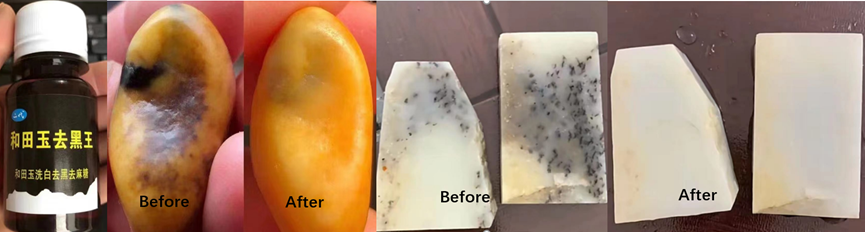
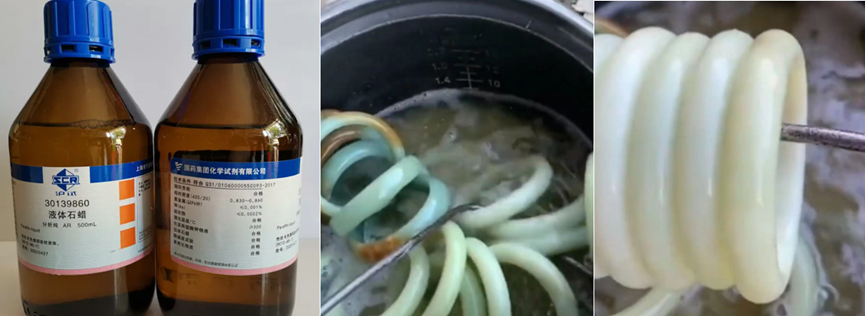
Whitening and Cleaning: Chemical treatments designed to whiten or eliminate impurities, whether applied to the surface or within the stone, can significantly alter the natural texture and color of nephrite. These processes not only compromise the stone’s authenticity but also raise concerns about potential health risks associated with the altered composition.
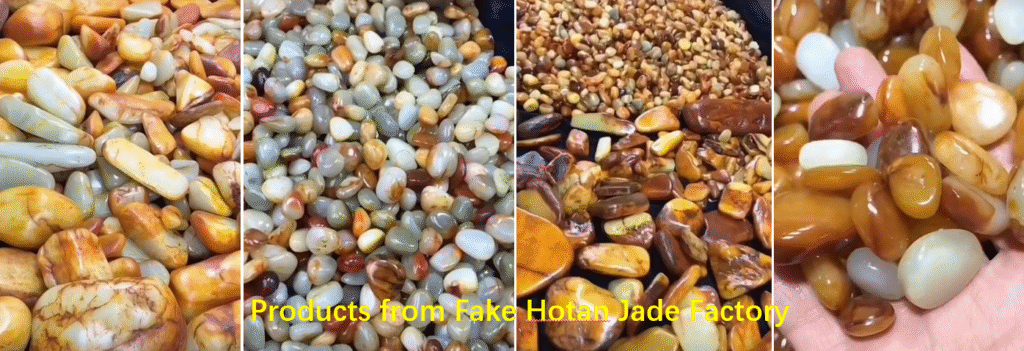
Fake Skin and Color: The natural skin and color are distinctive features of single-seed Nephrite from the Xinjiang Hotan region, cherished for their unique charm, rarity, and exceptional collectible value. Given their allure, counterfeiters employ intricate techniques to replicate these traits, aiming to deceive collectors. The rapid evolution of faking technology presents significant challenges for buyers seeking genuine single-seed specimens from Xinjiang Hotan, underscoring the importance of vigilance and expertise in the purchasing process.
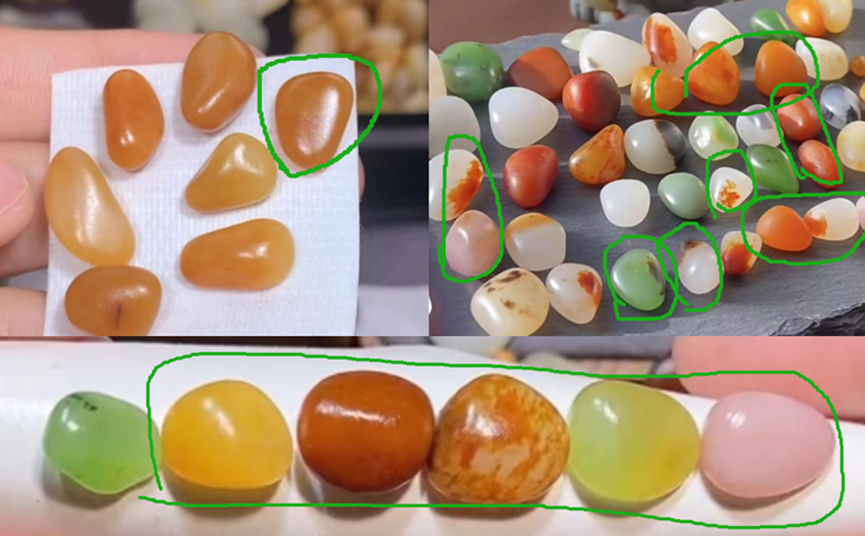
Shaping Enhancement: The process of shaping is predominantly applied to smaller single-seed Nephrite specimens sourced from Xinjiang Hotan, with the objective of refining their aesthetic appeal through meticulous polishing and buffing to conceal any imperfections. While shaping does not alter the essence of the Nephrite and indeed enhances its visual appeal, seasoned jade collectors typically favor unaltered single-seed pieces. Additionally, the monetary value of shaped and polished single-seed specimens is significantly lower compared to unshaped specimens with a similar appearance. Distinguishing between polished and unaltered pieces can be challenging, especially when dealing with minor alterations.
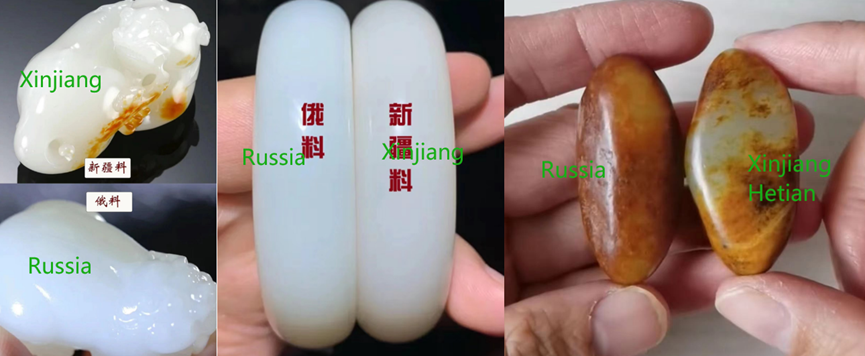
Misrepresentation of Origin: Sellers often misrepresent Nephrite sourced from regions with higher production and lower prices as originating from Xinjiang Hotan. This deceitful practice exploits unaware buyers who pay a premium for misrepresented origins.
Waxing: Waxing is a prevalent method used to enhance Nephrite, especially in bangles and carved pieces. While temporarily concealing imperfections and lending a smoother appearance, the effects are short-lived, with flaws reemerging over time and the stone losing its original quality.
Certification: Fake nephrite cannot obtain certification from accredited authorities. However, other artificially enhanced or produced types of nephrite, regardless of their origin, are eligible for Nephrite certification. As a result, seasoned collectors often overlook or disregard certification when evaluating the authenticity and value of a piece.
Buyer Tips: For new buyers, getting a certificate can help avoid fake nephrite, but telling real from enhanced nephrite can be tough. Stay away from tourist shops, as they often sell fake or misrepresented nephrite. And remember, if the price seems too good to be true, it probably is. Genuine, top-quality nephrite doesn’t come cheap. In conclusion, awareness of deceptive practices is crucial in the world of nephrite jade. Understanding how nephrite can be counterfeited or altered empowers buyers to make informed decisions and appreciate the true beauty of authentic pieces. At Hermit Jade, we’re dedicated to safeguarding you from these deceptive tactics. Our commitment to honesty and transparency means that every jade piece you acquire from us is genuine and exceptional. With our integrity as your shield, you can purchase with confidence and peace of mind. Over time, as you become more familiar with genuine pieces and their unique charm, you’ll develop a keen sense for detecting fakes or enhanced pieces.
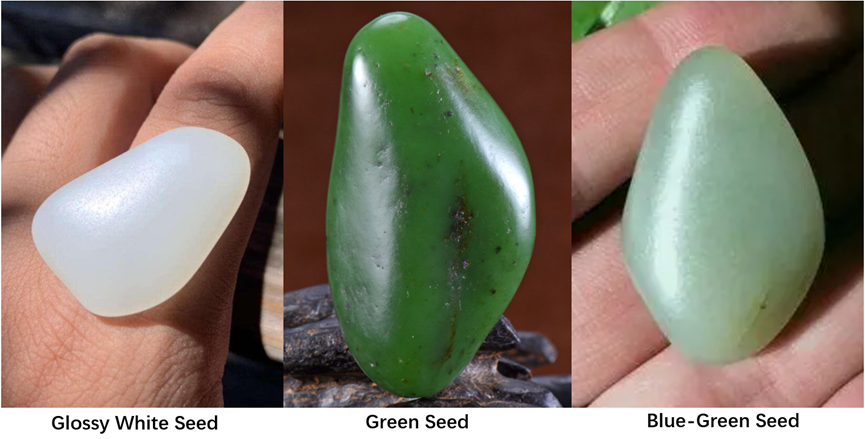
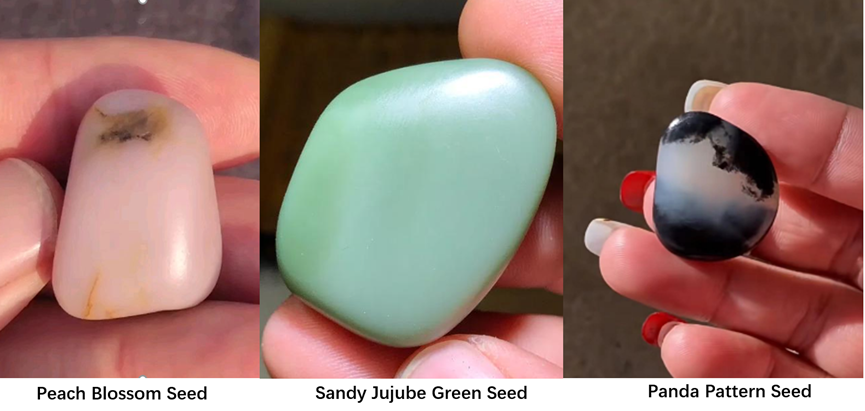
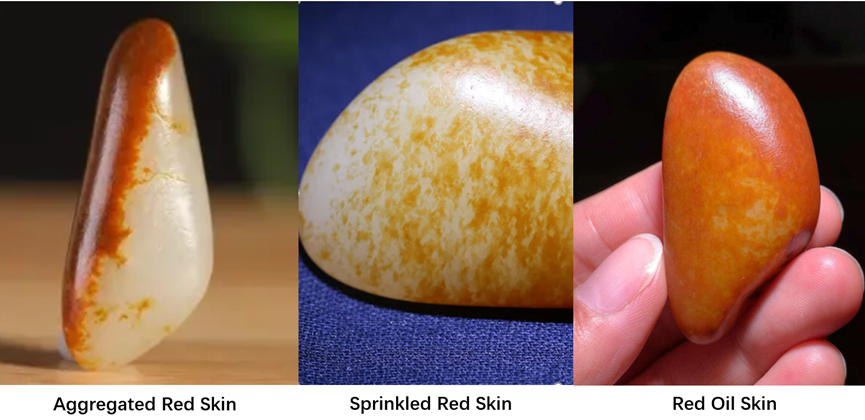
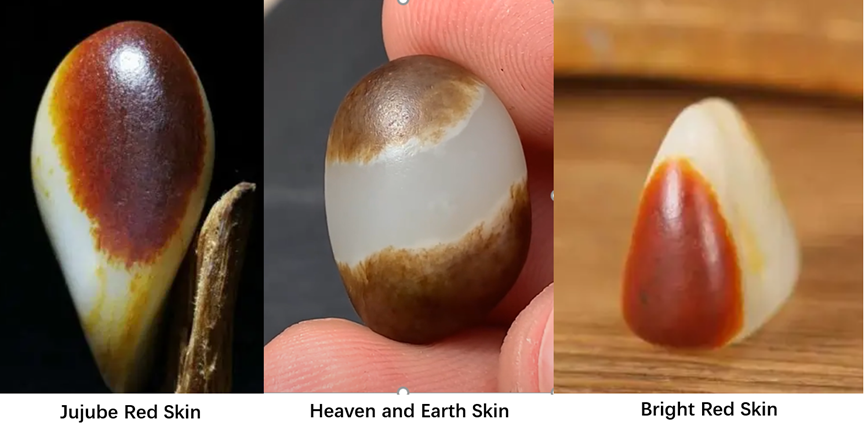
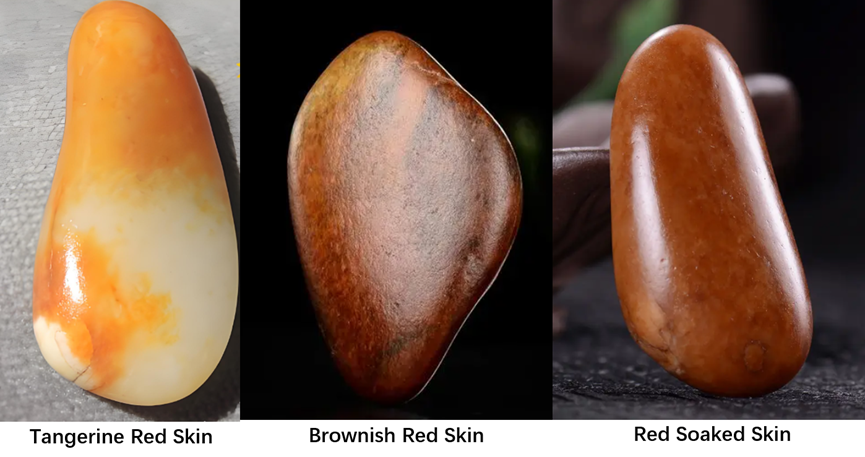
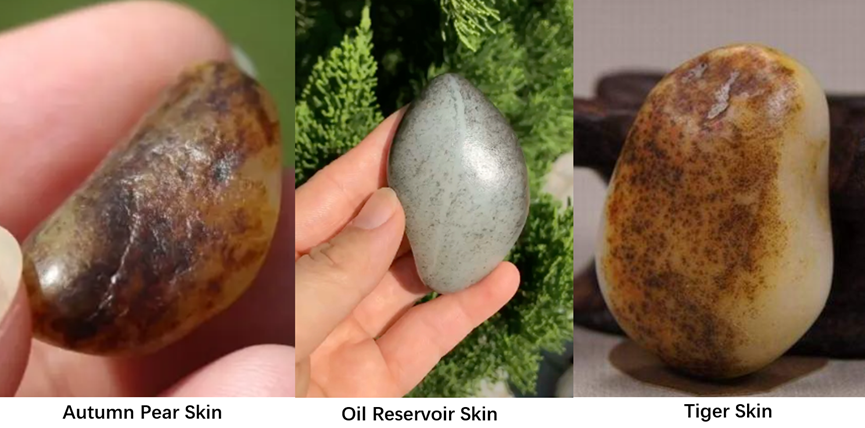
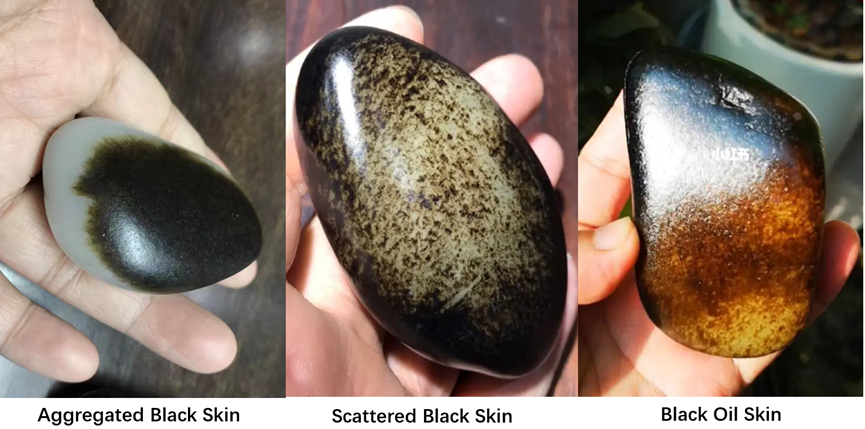
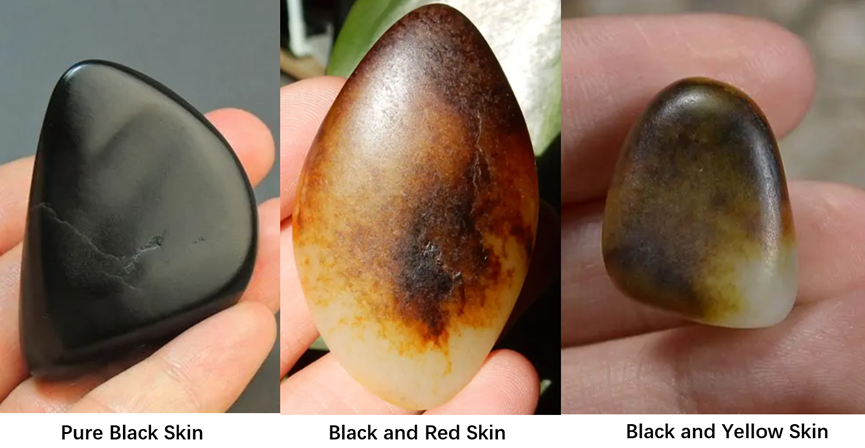
At Hermit Jade, we revel in the unparalleled beauty and intricate formation of single-seed nephrite pieces, affectionately dubbed “Lonely Stones” within our sanctuary. These natural marvels showcase a mesmerizing array of skin colors, each narrating a saga of geological marvels spanning eons. Join us as we embark on an expedition to uncover the genesis of the skin and skin colors adorning single-seed nephrite pieces, exploring their characteristic hues and the enigmatic processes underpinning their creation.
The Genesis and Evolution of Nephrite Skin
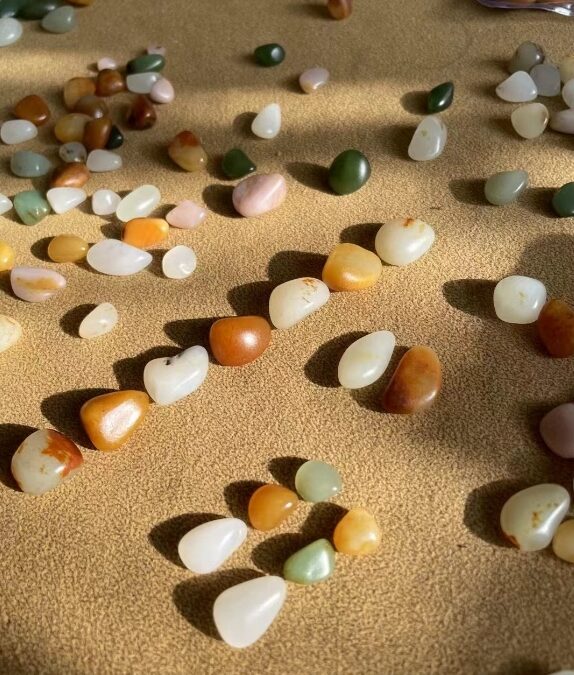
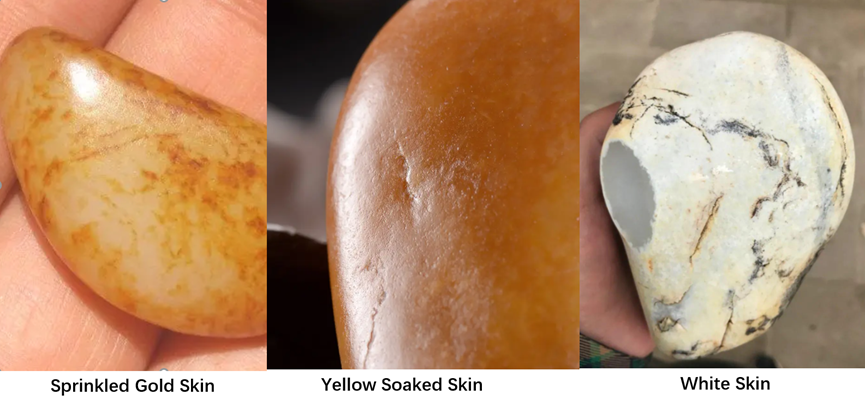
Single-seed nephrite, originating as raw jade or patent jade nestled within mountainous terrain, emerges devoid of its defining skin. Through the vagaries of nature, such as glacial shifts, seismic events, and aquatic currents, these raw jade remnants find their way into riverbeds. Over aeons, sculpted by the relentless caress of river currents, collisions with fellow stones, and the whims of environmental whimsy, they metamorphose. This metamorphosis begets the pores that embellish their surfaces, birthing what we reverently term the “skin” of the jade—a secondary manifestation, borne of a journey through the crucible of riverine existence.
Unraveling the Tapestry of Nephrite Skin Colors
The kaleidoscopic hues adorning single-seed nephrite pieces owe their existence to protracted exposure to the myriad essences of the riverine realm. Elements from the soil, arboreal sentinels, and organic progenitors undergo alchemical transmutation into mineral elements. Across epochs, these minerals infiltrate the jade, imbuing it with their chromatic essence. Specifically, iron elements, ensconced within the aqueous embrace, seep into the jade’s pores, catalyzing an intricate dance with oxygen. This alchemical pas de deux yields iron oxides, entwining the surface in a symphony of colors, echoing the solitude of the stones themselves.
Factors Shaping Nephrite Skin Colors
The chromatic tableau of single-seed nephrite pieces is influenced by a tapestry of factors:
Mineral Content:
Varied mineral compositions bestow distinct hues upon the skin. Water and Oxygen Interaction: The liaison between waterborne iron and oxygen engenders ferric oxide, heralding hues of red and brown.
Environmental Exposure:
Prolonged immersion in diverse environmental tapestries yields unique pigmentation patterns.
Embracing the Splendor:
The Pantheon of Nephrite Skin Colors
Single-seed Nephrite skin unfolds in a kaleidoscope of colors and textures, each an opus crafted through the interplay of celestial forces. Here, we exalt in the hues most coveted by connoisseurs and their genesis:
Red Skin:
A testament to the oxidation of iron, yielding the crimson embrace of ferric oxide, emblematic of aeons of communion with iron’s elemental essence.
Black Skin:
Born of manganese oxides or organic vestiges, casting a shroud of mystique over the surface, evoking the passage of time in obsidian hues.
Yellow Skin:
Crafted through the alchemy of iron oxides, infused with the ochre allure of limonite, a testament to the subtle interplay of earth and water.
Golden Skin:
Sprinkled with aureate vestiges, a testament to the celestial dance of mineral deposits within the jade, casting a gilded mantle over its visage. Autumn Pear Skin: A verdant tapestry interwoven with hues of amber, an ode to the harmonious symphony of minerals and environmental whispers.
Appreciating the Diversity of Nephrite Skin
The formation of nephrite skin is a testament to the natural forces that shaped it. The diversity in skin colors and textures not only enhances its aesthetic appeal but also provides insight into its geological history. The skin can be scattered or concentrated, deep or shallow, thin or thick, large or small, oily or dry, each variation adding to the complexity and beauty of the piece.
At Hermit Jade, we take pride in offering pieces that showcase the full spectrum of these natural wonders. When you acquire a nephrite piece from Hermit Jade, you are not just purchasing a gemstone; you are embracing a piece of Earth’s history, crafted by nature over millennia. Each color, each texture, tells a story of resilience, transformation, and timeless beauty. Explore our collection to discover the unique charm of single-seed nephrite pieces and let the colors of nature captivate your senses.
In the world of Nephrite jade, none can rival the allure and mystique of the revered single-seed variety from the Xinjiang Hotan region. At Hermit Jade, we call it the “Lonely Stone.” In this blog, we delve into the reasons behind this special name and explore what makes the Lonely Stone so extraordinary.
Formation and Geological Rarity
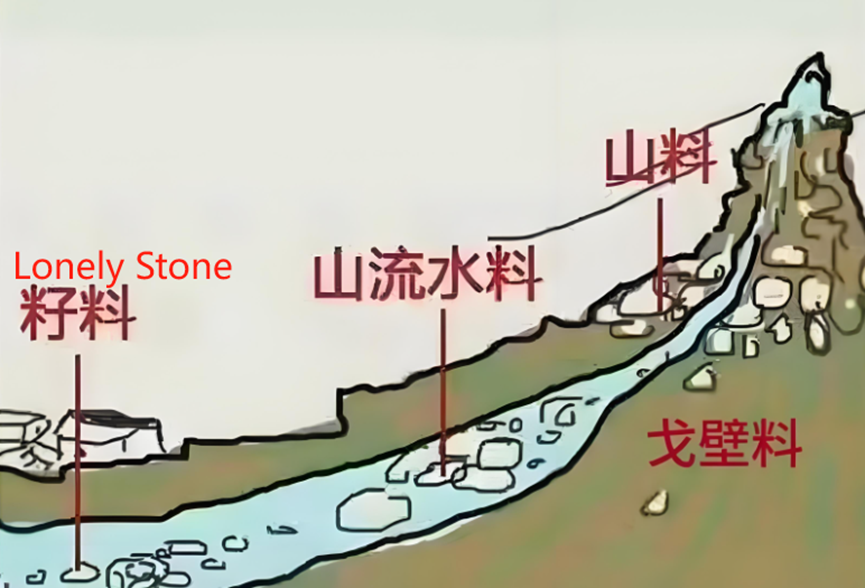
The formation of single-seed Nephrite jade is a captivating tale of a complex and lengthy geological process, involving billions of years of changes and erosion. This journey begins in the Kunlun Mountains at altitudes above 3,500 meters, where Nephrite jade rocks form. Over time, these rocks undergo weathering due to geological movements and glacial activity, with very few of them breaking down into variously sized fragments. These fragments are carried by rainwater and snowmelt into rivers, forming mountain-transported jade materials. In the Yurungkash River, these jade stones undergo thousands of years of water erosion, eventually becoming the smooth and rounded single-seed Nephrite jade.
During their formation, these stones experience the impact of mountain floods, river transportation, and glacial erosion, which gradually detach the jade from the mountain. In the river, continuous water erosion results in a smooth and rounded surface texture. Simultaneously, the jade undergoes oxidation and acidic or alkaline corrosion, creating unique skin colors and patterns. Additionally, as the jade rests in the river over long periods, it experiences natural weathering, drying, and dehydration, further stabilizing its texture and enhancing its surface characteristics.
Why the Lonely Stone is Invaluable
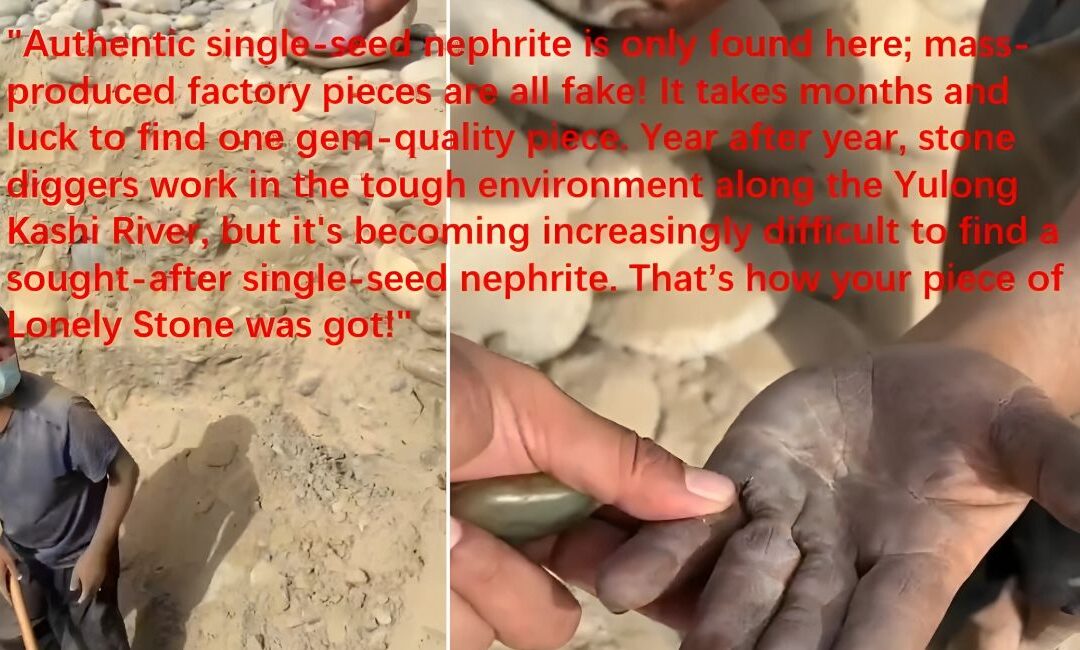
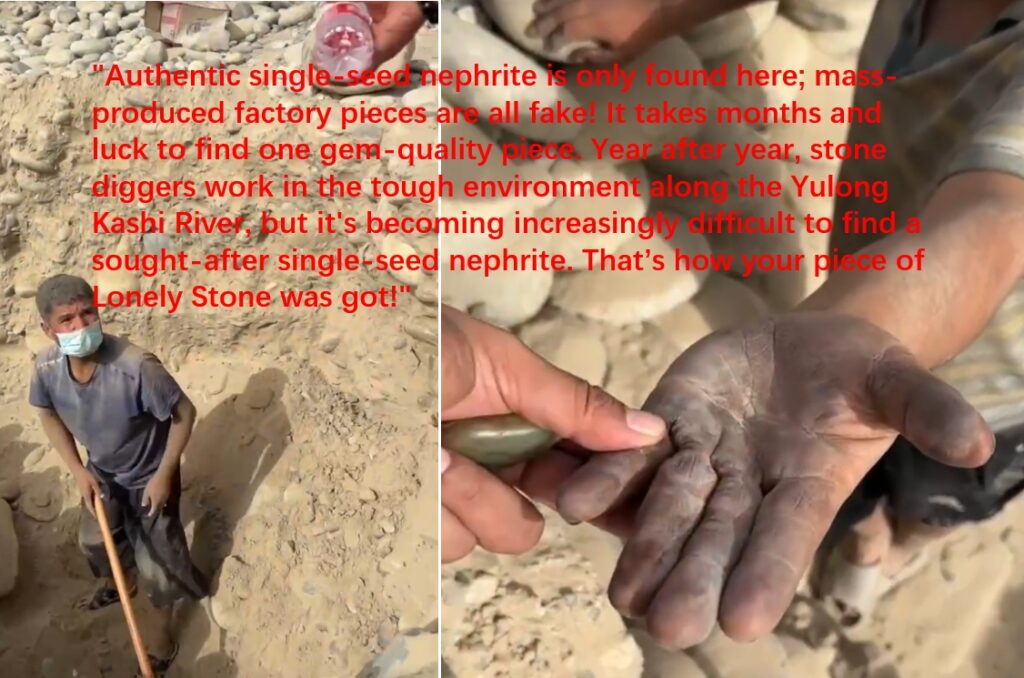
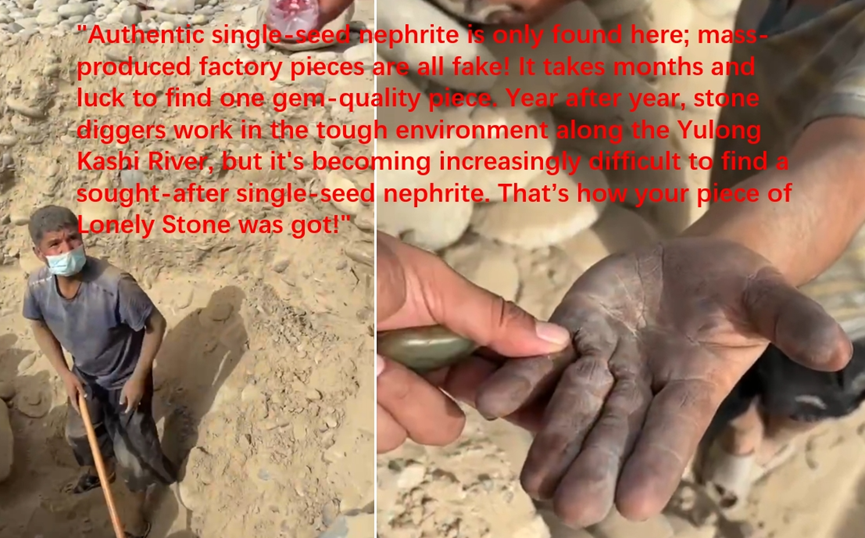
The Lonely Stone’s value is driven by its exceptional rarity and the arduous process required to find it. Unlike other Nephrite jades, these stones are typically discovered as solitary pieces, having endured the journey through river currents and natural erosion to emerge as polished, rounded gems. Their scarcity is compounded by the limited geography of their origin—the Xinjiang Hotan region—where jade diggers spend years searching for these beautiful stones along the Yurungkash River. Once a gem-level piece is found, it is highly sought after and often ends up in the hands of China’s top collectors. These elite collectors eagerly acquire high-quality Lonely Stones in various shapes, colors, and textures, each unique and imbued with billions of years of natural history.
What sets a premier Lonely Stone apart is its unparalleled quality and characteristics. The jade is renowned for its translucency, fine grain, and smooth texture. When held up to the light, a high-quality Lonely Stone reveals an inner glow, often described as possessing a “soul.” This intrinsic luster, combined with its exceptional smoothness, makes it a prized material for carving and jewelry. The stone’s purity, free from impurities and blemishes, further enhances its desirability.
Mining and Digging Along the River
The collection of Lonely Stones is an intricate and labor-intensive process. Traditionally, these stones are found and dug out from riverbeds, where centuries of water flow have polished them to perfection. Miners sift through river gravel using traditional methods to locate these elusive gems. The seasonal melt of snow in the Kunlun Mountains plays a crucial role, as it washes down fresh stones into the rivers, renewing the supply annually, albeit in very small quantities.
The trading of Lonely Stones is a nuanced market. Due to their rarity, these stones command high prices, often sold at auctions or through exclusive dealers in Xinjiang. The market is driven by collectors and artisans who seek the finest materials for their creations. Each stone is carefully evaluated for its shape, color, clarity, size, and overall aesthetic appeal, factors that significantly influence its market value.
Crafting Exquisite Jewelry
The exceptional quality and aesthetic appeal of the Lonely Stone make it a sought-after material for high-end jewelry. Smaller pieces with excellent shapes and without notable defects are often left uncarved and made into various forms of jewelry, including rings, earrings, and pendants, typically set in 18k gold to highlight the stone’s natural beauty. One particularly popular form of jewelry is the raw stone bracelet, where multiple high-quality Lonely Stones are punched and strung together. These bracelets, cherished for their elegance and rarity, can sell for tens of thousands of US dollars. Many collectors also treasure raw singular pieces, finding fulfillment in simply looking at, touching, and “conversing” with the Lonely Stones.
Pieces with defects or imperfections that can’t be used directly are creatively carved by masters to remove the flaws and transform the stones into various artistic themes. Larger pieces of Lonely Stones are cut into smaller sections and crafted into accessories like bracelets, beaded strings, or various pendants and artworks.
The Unique Appeal of the Lonely Stone
The appeal of the Lonely Stone lies not only in its physical beauty but also in its symbolic significance. In Chinese culture, jade is considered a stone of heaven, embodying virtues such as purity, moral integrity, and wisdom. The Lonely Stone, with its singular nature and journey through time and elements, epitomizes these virtues more profoundly than any other jade variety. For collectors and jade enthusiasts, the Lonely Stone is not merely a gem but a piece of history, nature, and cultural heritage, embodying the timeless allure of Nephrite jade. Whether crafted into exquisite jewelry or cherished as a raw gem, the Lonely Stone remains a symbol of unparalleled beauty and enduring value.