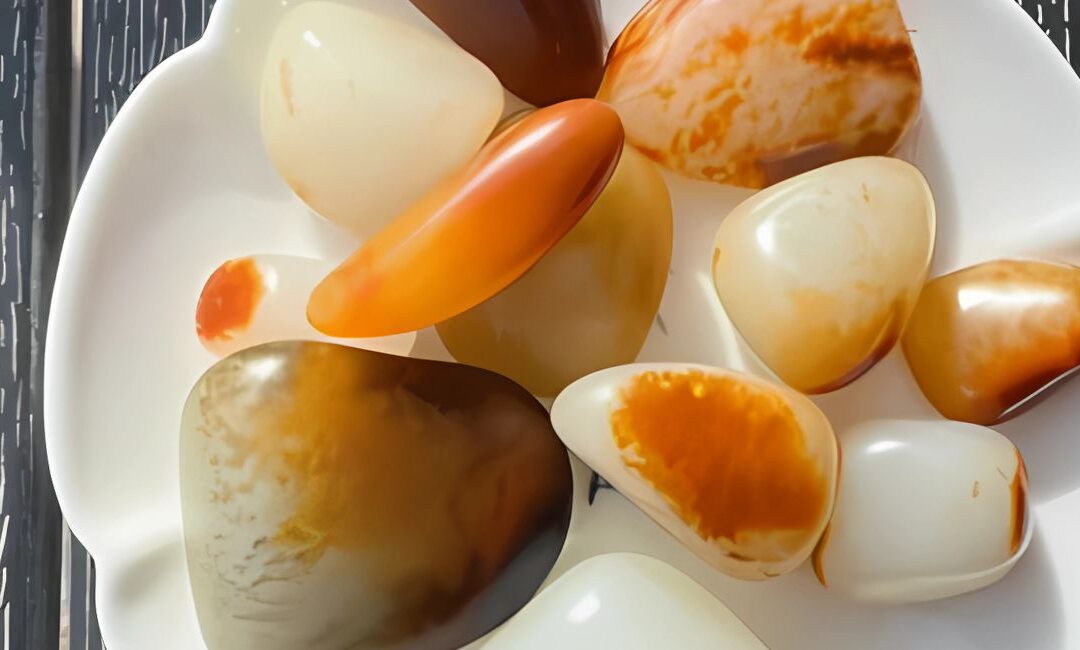
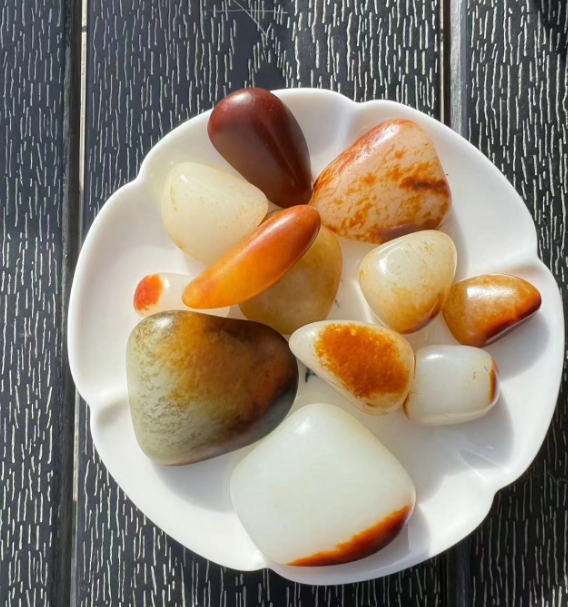
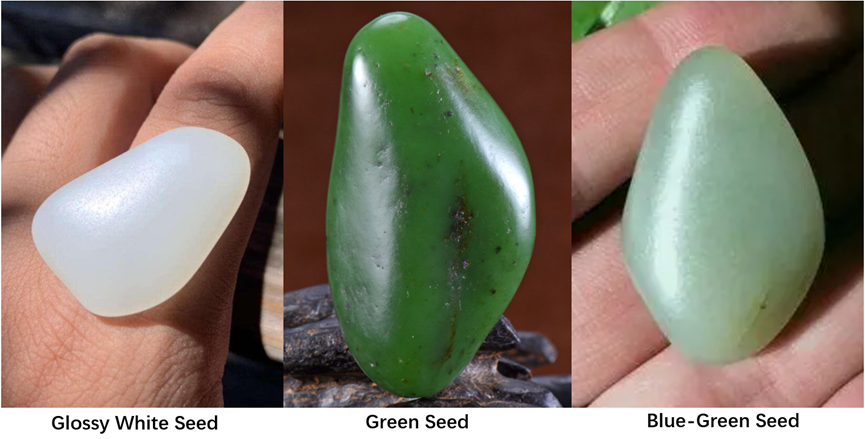
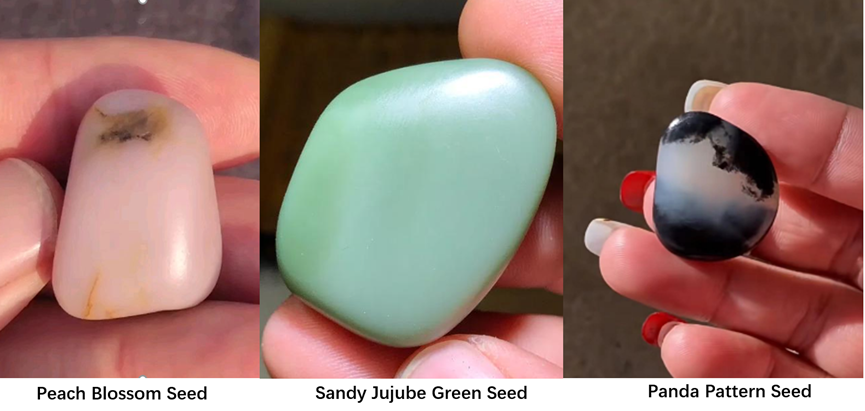
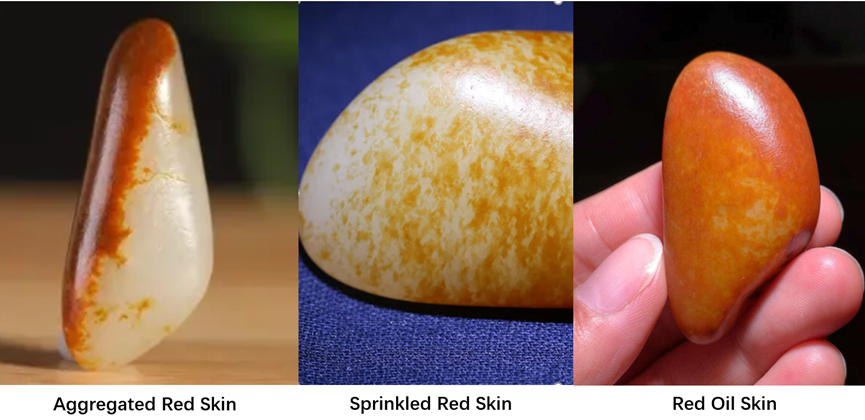
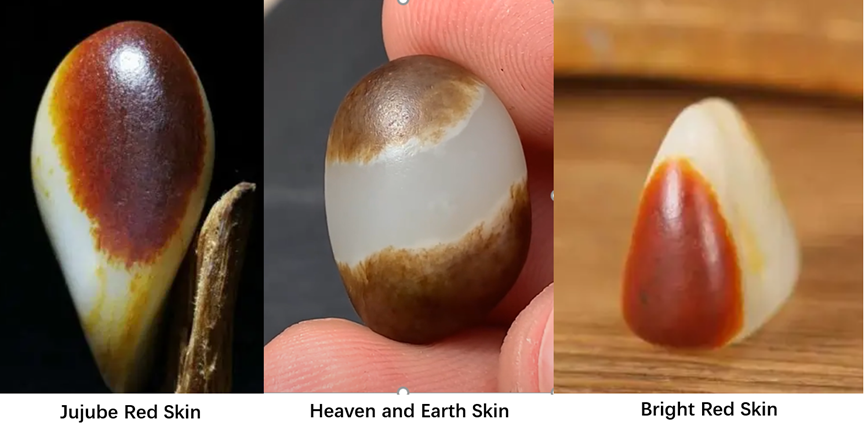
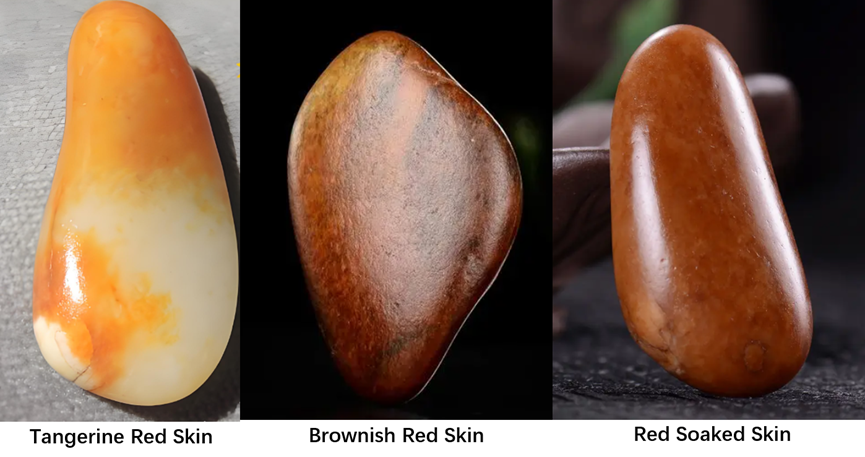
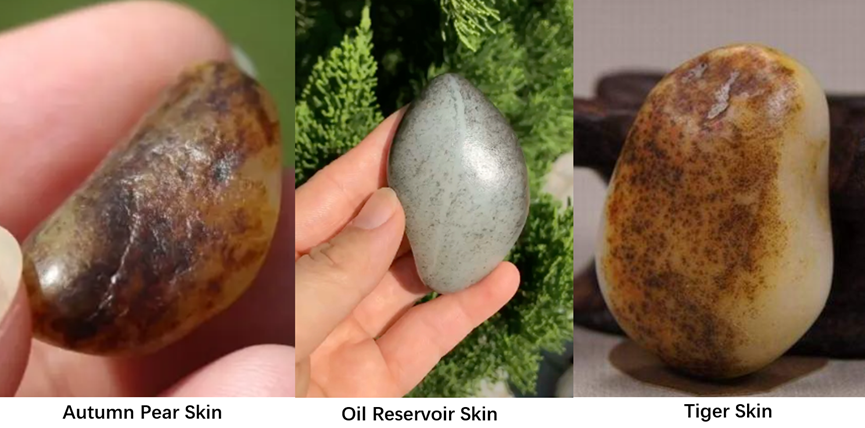
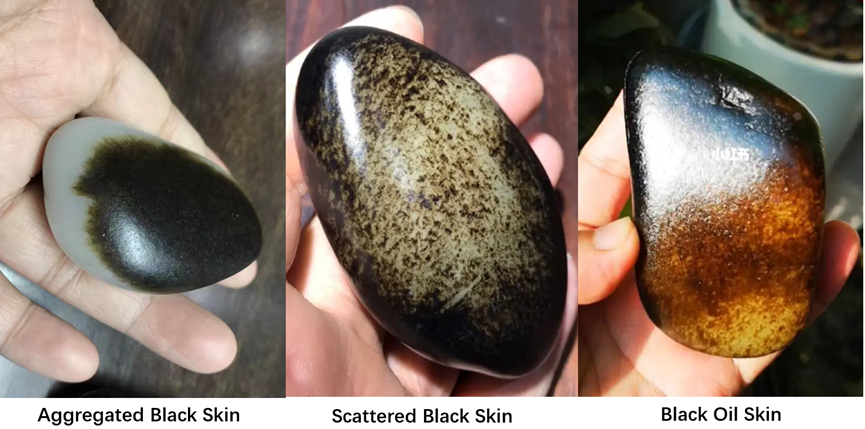
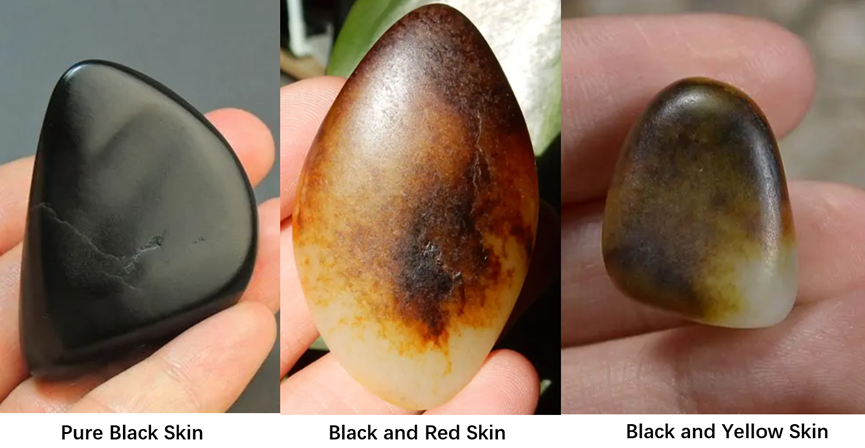
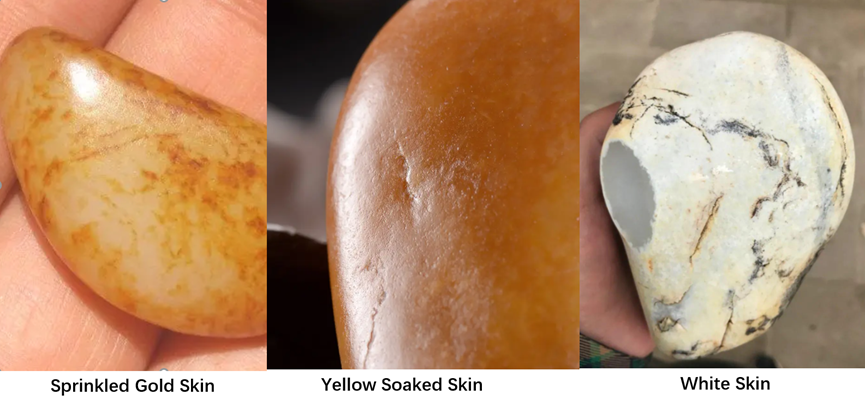
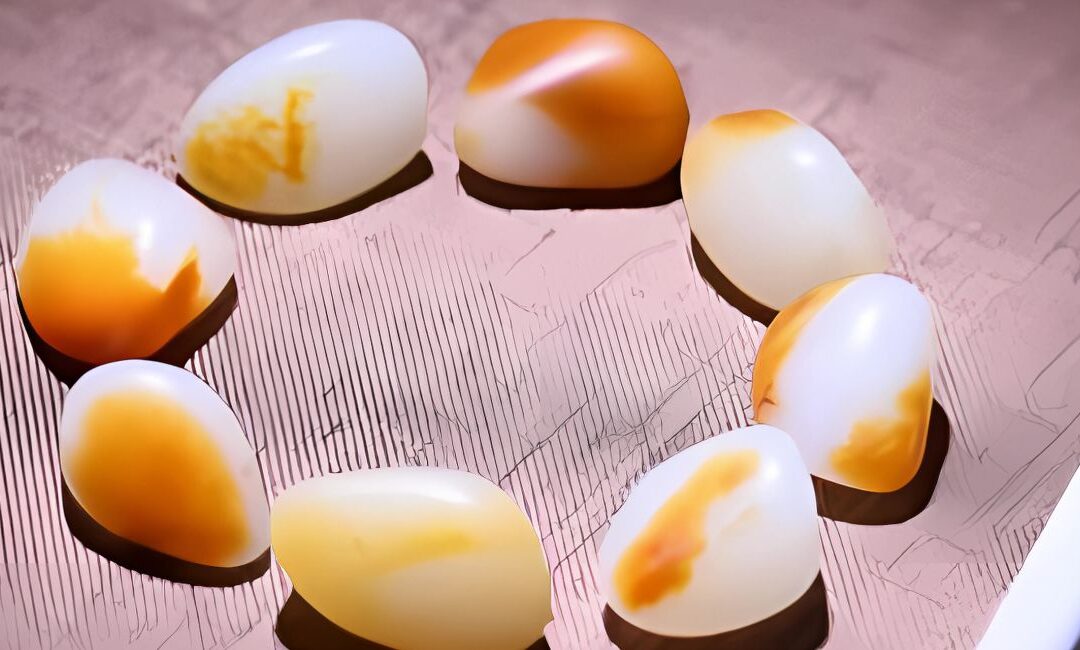
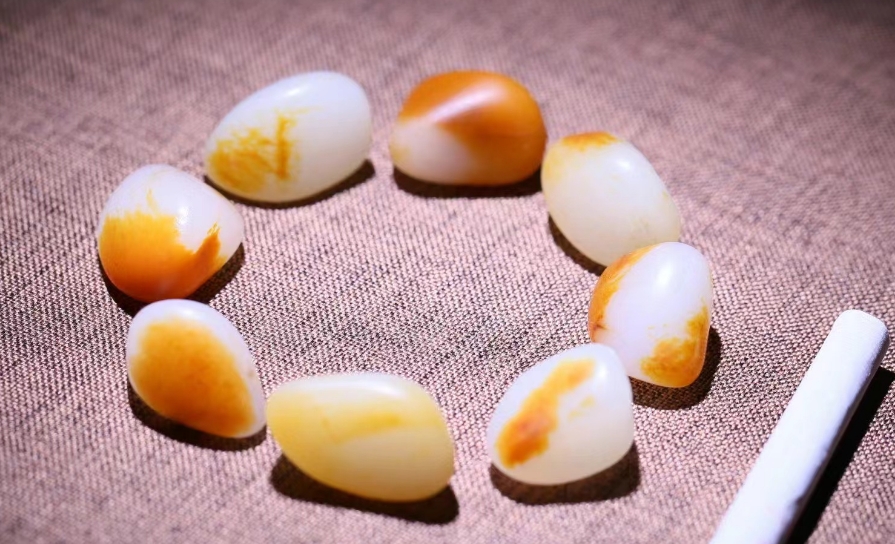
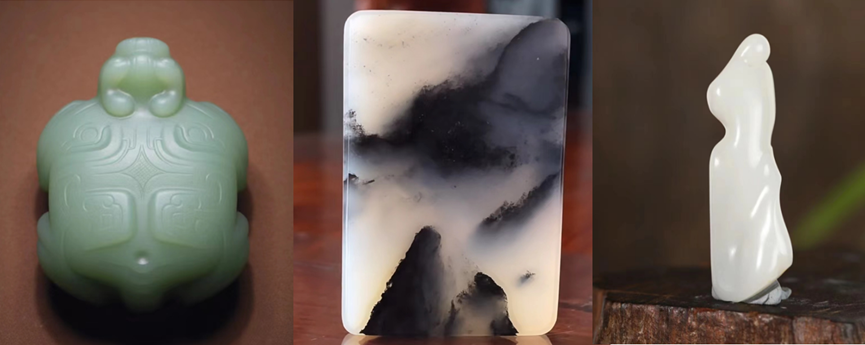
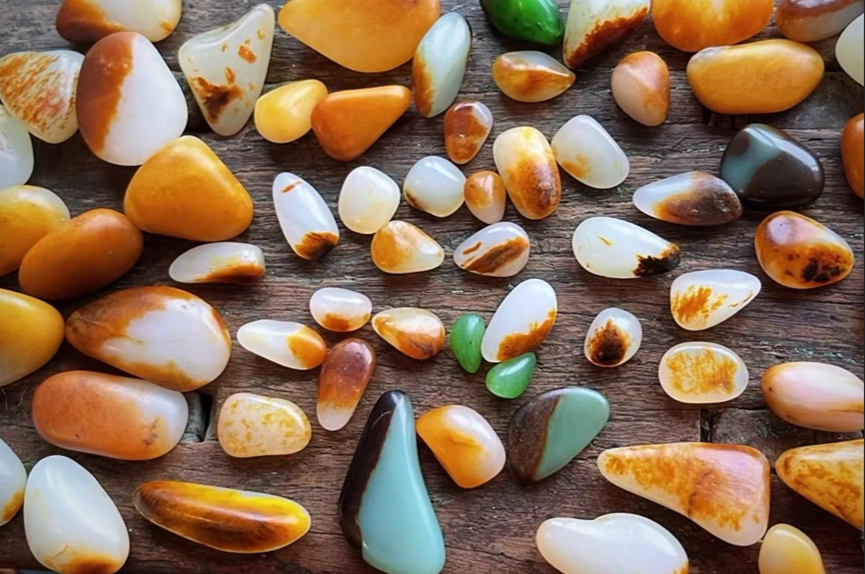
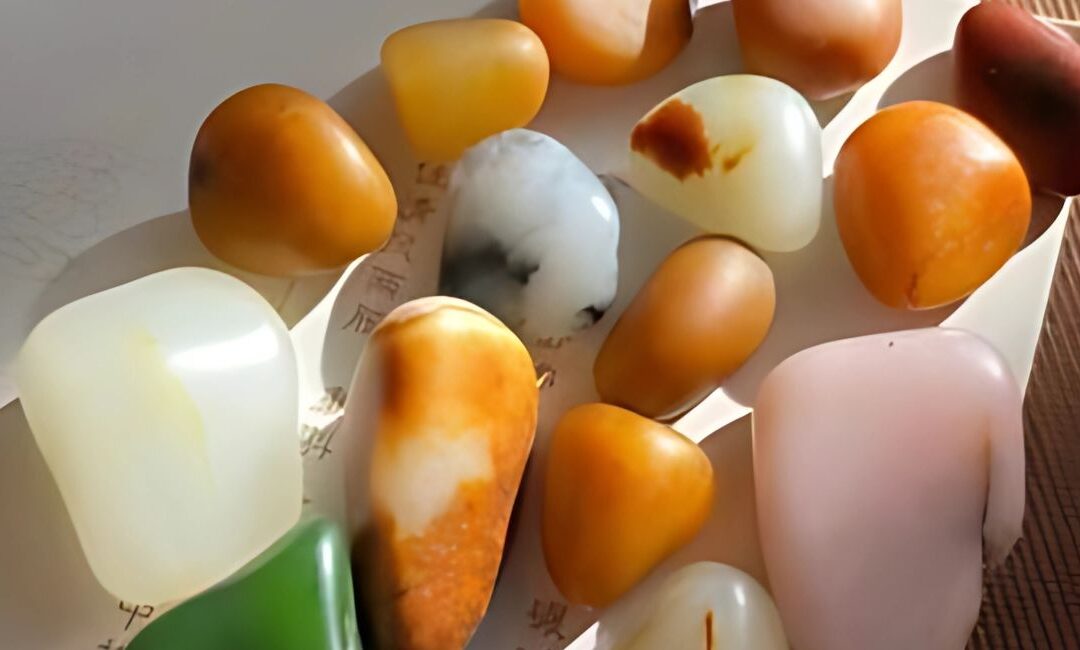
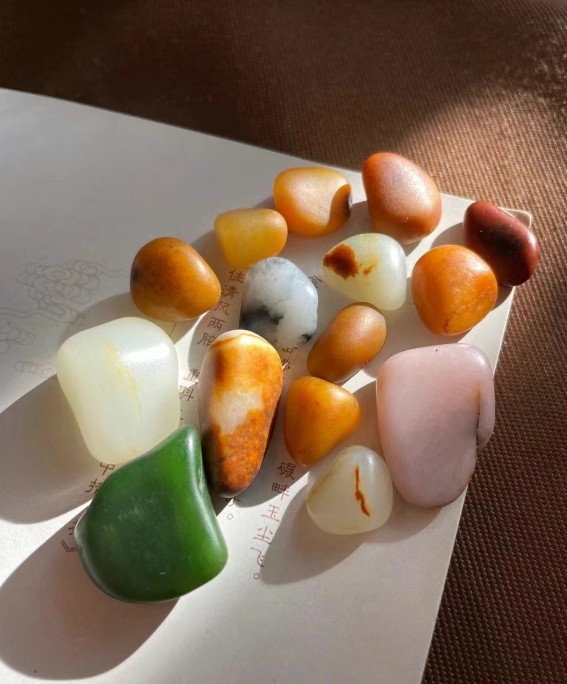
At Hermit Jade, we revel in the unparalleled beauty and intricate formation of single-seed nephrite pieces, affectionately dubbed “Lonely Stones” within our sanctuary. These natural marvels showcase a mesmerizing array of skin colors, each narrating a saga of geological marvels spanning eons. Join us as we embark on an expedition to uncover the genesis of the skin and skin colors adorning single-seed nephrite pieces, exploring their characteristic hues and the enigmatic processes underpinning their creation.
The Genesis and Evolution of Nephrite Skin
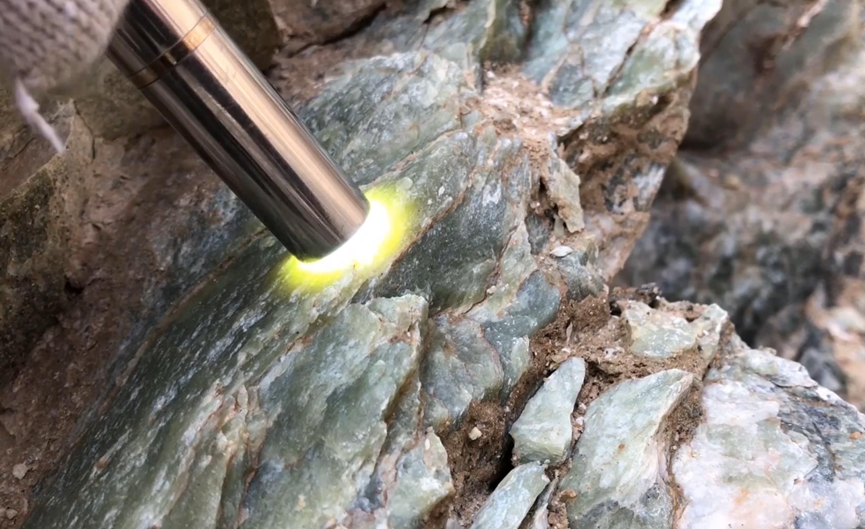
Single-seed nephrite, originating as raw jade or patent jade nestled within mountainous terrain, emerges devoid of its defining skin. Through the vagaries of nature, such as glacial shifts, seismic events, and aquatic currents, these raw jade remnants find their way into riverbeds. Over aeons, sculpted by the relentless caress of river currents, collisions with fellow stones, and the whims of environmental whimsy, they metamorphose. This metamorphosis begets the pores that embellish their surfaces, birthing what we reverently term the “skin” of the jade—a secondary manifestation, borne of a journey through the crucible of riverine existence.
Unraveling the Tapestry of Nephrite Skin Colors
The kaleidoscopic hues adorning single-seed nephrite pieces owe their existence to protracted exposure to the myriad essences of the riverine realm. Elements from the soil, arboreal sentinels, and organic progenitors undergo alchemical transmutation into mineral elements. Across epochs, these minerals infiltrate the jade, imbuing it with their chromatic essence. Specifically, iron elements, ensconced within the aqueous embrace, seep into the jade’s pores, catalyzing an intricate dance with oxygen. This alchemical pas de deux yields iron oxides, entwining the surface in a symphony of colors, echoing the solitude of the stones themselves.
Factors Shaping Nephrite Skin Colors
The chromatic tableau of single-seed nephrite pieces is influenced by a tapestry of factors:
Mineral Content:
Varied mineral compositions bestow distinct hues upon the skin. Water and Oxygen Interaction: The liaison between waterborne iron and oxygen engenders ferric oxide, heralding hues of red and brown.
Environmental Exposure:
Prolonged immersion in diverse environmental tapestries yields unique pigmentation patterns.
Embracing the Splendor:
The Pantheon of Nephrite Skin Colors
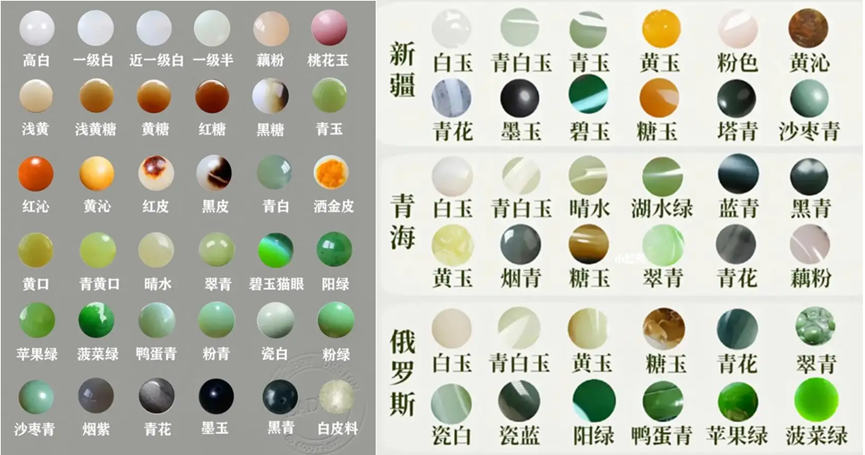
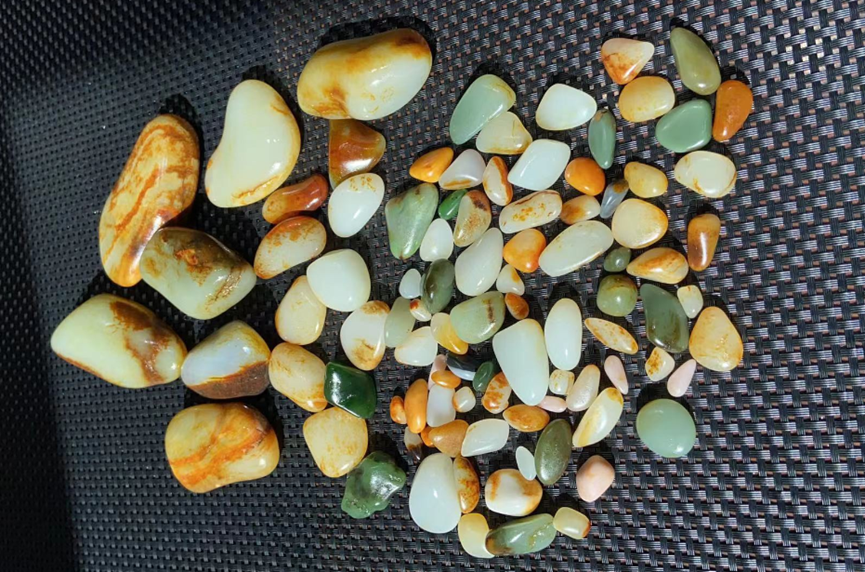
Single-seed Nephrite skin unfolds in a kaleidoscope of colors and textures, each an opus crafted through the interplay of celestial forces. Here, we exalt in the hues most coveted by connoisseurs and their genesis:
Red Skin:
A testament to the oxidation of iron, yielding the crimson embrace of ferric oxide, emblematic of aeons of communion with iron’s elemental essence.
Black Skin:
Born of manganese oxides or organic vestiges, casting a shroud of mystique over the surface, evoking the passage of time in obsidian hues.
Yellow Skin:
Crafted through the alchemy of iron oxides, infused with the ochre allure of limonite, a testament to the subtle interplay of earth and water.
Golden Skin:
Sprinkled with aureate vestiges, a testament to the celestial dance of mineral deposits within the jade, casting a gilded mantle over its visage. Autumn Pear Skin: A verdant tapestry interwoven with hues of amber, an ode to the harmonious symphony of minerals and environmental whispers.
Appreciating the Diversity of Nephrite Skin
The formation of nephrite skin is a testament to the natural forces that shaped it. The diversity in skin colors and textures not only enhances its aesthetic appeal but also provides insight into its geological history. The skin can be scattered or concentrated, deep or shallow, thin or thick, large or small, oily or dry, each variation adding to the complexity and beauty of the piece.
At Hermit Jade, we take pride in offering pieces that showcase the full spectrum of these natural wonders. When you acquire a nephrite piece from Hermit Jade, you are not just purchasing a gemstone; you are embracing a piece of Earth’s history, crafted by nature over millennia. Each color, each texture, tells a story of resilience, transformation, and timeless beauty. Explore our collection to discover the unique charm of single-seed nephrite pieces and let the colors of nature captivate your senses.
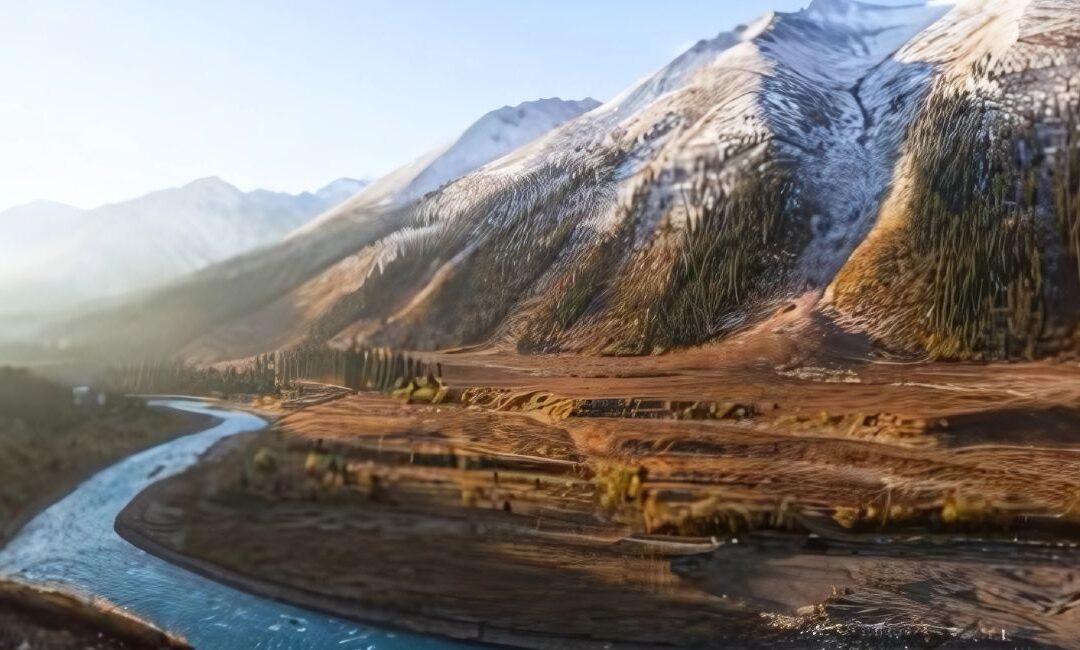
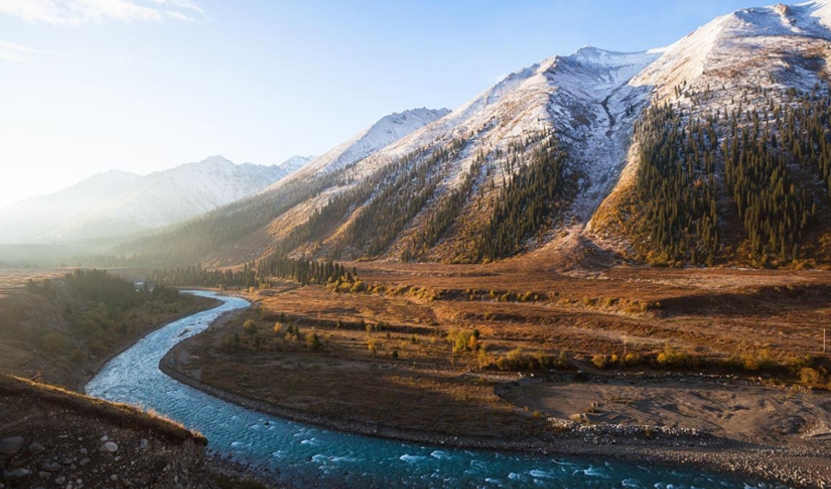
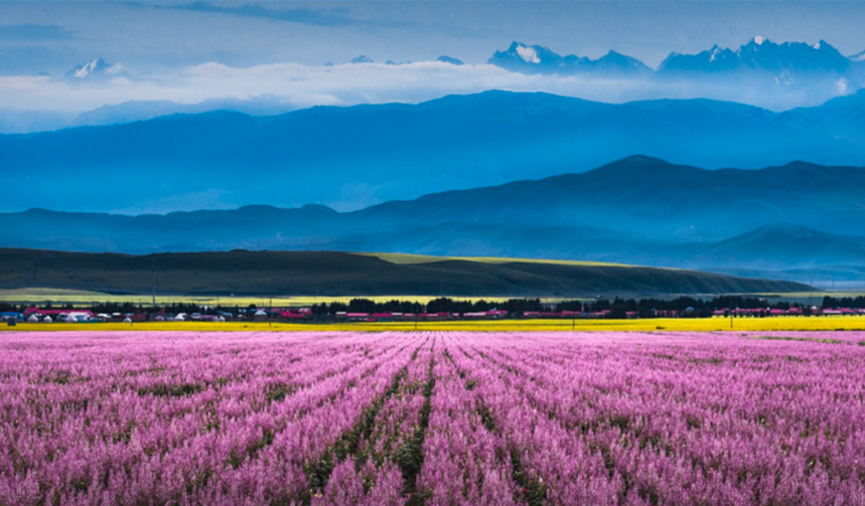
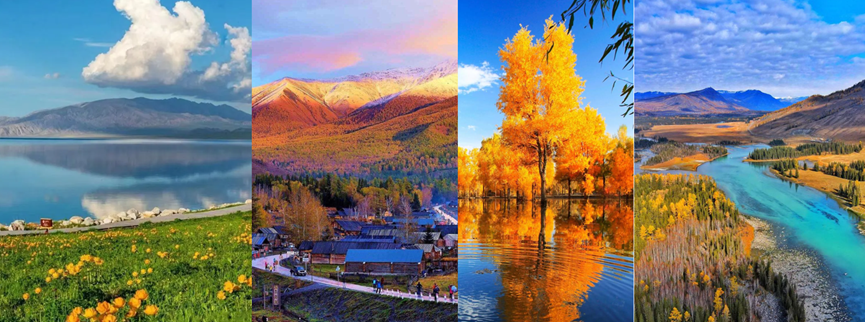
Embark on a journey to the heart of Xinjiang, the birthplace of the world’s most precious nephrite jade. Tucked away in the far northwest corner of China, Xinjiang is a realm of stunning landscapes, rich history, and deep cultural heritage. Its rugged mountains, expansive deserts, and lush oases paint a captivating picture of natural splendor, drawing in travelers with its timeless allure.
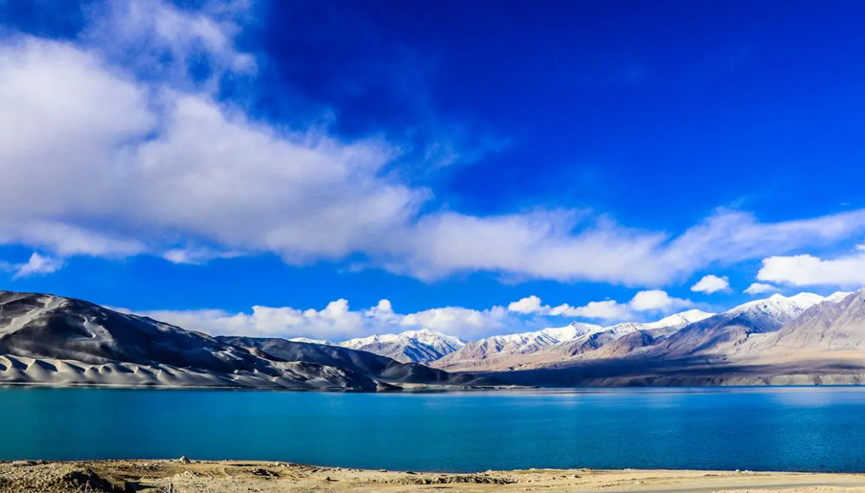
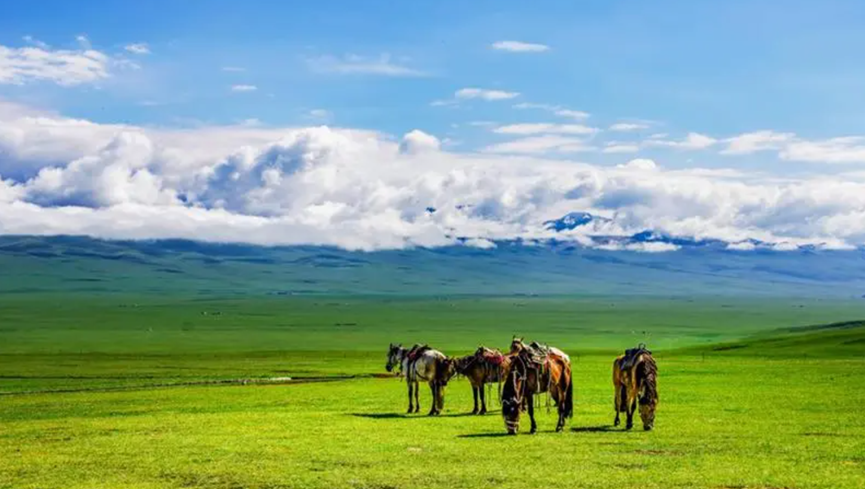
Xinjiang’s geographical diversity is a sight to behold. From the majestic peaks of the Tianshan Mountains to the sweeping sands of the Taklamakan Desert, the region’s beauty is unparalleled. Glaciers glisten, lakes sparkle, and grasslands sway, weaving a tapestry of contrasting landscapes that beckon adventurers and nature enthusiasts alike. Amidst this breathtaking terrain lie some of the world’s finest nephrite jade deposits, adding to Xinjiang’s mystique and allure.
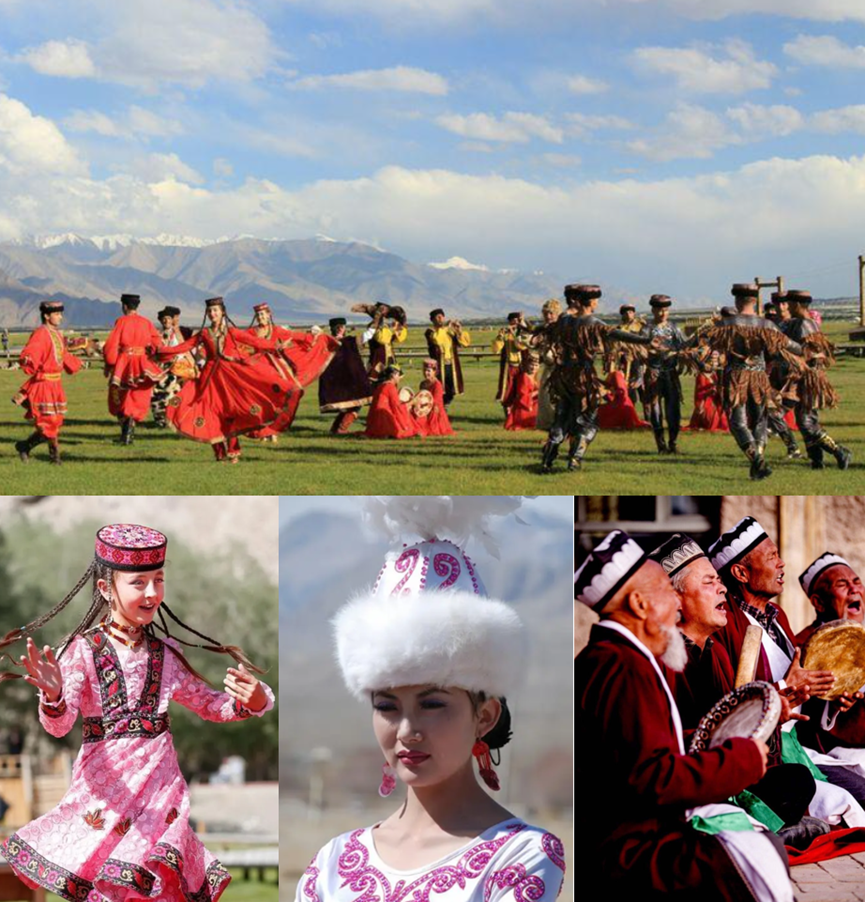
But Xinjiang is not just a land of natural wonders; it is a melting pot of cultures and traditions. Here, diverse ethnic groups such as the Uyghur, Kazakh, and Hui coexist harmoniously, each contributing to the vibrant tapestry of customs and heritage. The fusion of these cultures adds depth and richness to the region, shaping its identity and character.
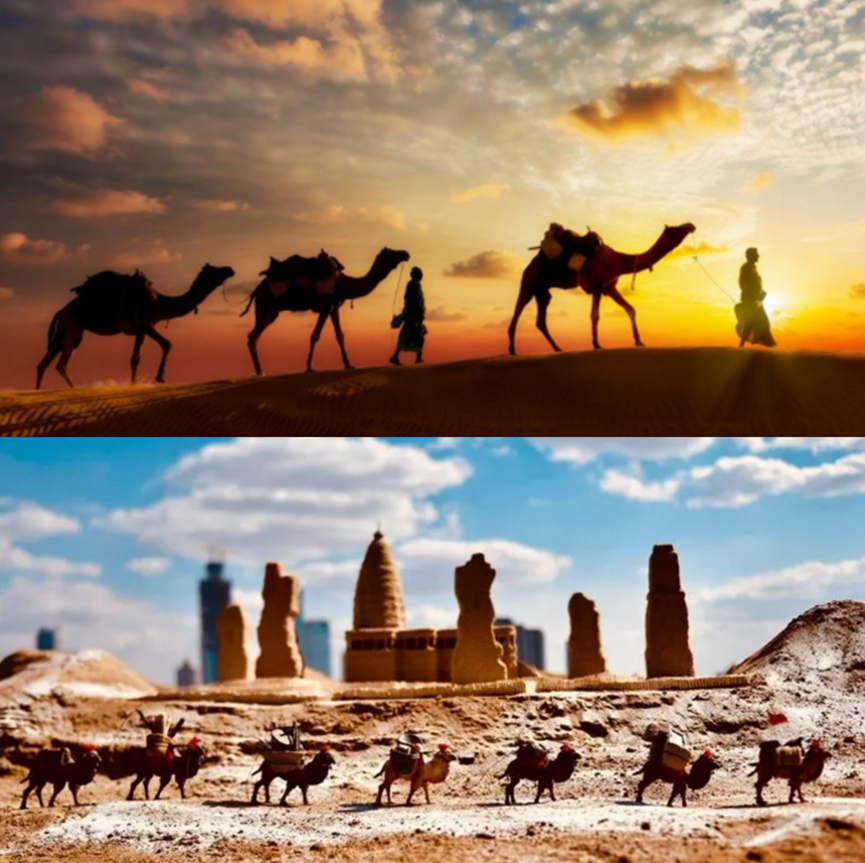
Xinjiang’s history is intricately intertwined with the ancient Silk Road, the legendary trade route that connected East and West. For centuries, this network of routes facilitated the exchange of goods, ideas, and cultures, leaving an indelible mark on Xinjiang’s landscape and heritage. The echoes of this historic trade route can still be felt in Xinjiang’s bustling markets, where merchants from diverse backgrounds converge to trade goods and stories.
The story of nephrite jade in Xinjiang is steeped in history and legend. For millennia, this precious stone has been revered for its beauty and mystical properties. Ancient civilizations regarded jade as a symbol of virtue and power, attributing it with qualities of wisdom, justice, and courage. Discoveries in royal tombs bear witness to jade’s enduring significance, showcasing the exquisite craftsmanship of bygone eras. Beyond its physical beauty, nephrite jade holds spiritual significance for many. In traditional Chinese medicine, jade is believed to possess healing properties, promoting well-being and balance. Its smooth texture and tranquil hues are said to bring a sense of peace and harmony to those who wear it. At Hermit Jade, we honor these ancient beliefs by offering pieces that not only captivate the eye but also hold profound significance.
Xinjiang is more than just a land of natural wonders and cultural diversity; it is a destination of exploration and discovery. Whether you’re drawn to its dramatic landscapes, its rich history, or its vibrant cultures, a journey to Xinjiang promises an unforgettable experience. As you delve into the treasures of this ancient land, you’ll come to appreciate the profound connection between its landscapes and the jade that it harbors.
At Hermit Jade, we take pride in sharing the beauty and mystique of Xinjiang through our curated collection of nephrite jade. Each piece is a testament to the region’s rich heritage and natural splendor, inviting you to uncover its timeless allure for yourself. Join us in celebrating the exquisite beauty and profound history of Xinjiang and its nephrite jade, and let the magic of this ancient land enchant you.
Stay tuned to Hermit Jade for more insights and stories that connect you to the heart of Xinjiang’s beauty and mystique.
Nestled within the picturesque landscapes of China’s Xinjiang region lies a treasure of unparalleled beauty and cultural significance: Hotan Nephrite jade. Among its many coveted varieties, the single-seed Hotan jade stands out for its exceptional history, quality, and scarcity. Join us on a journey as we uncover the mystique of Hotan jade and its single-seed type, exploring their origins, characteristics, and timeless allure.
Hotan Nephrite jade, often revered as the “King of Jade” in Chinese culture, traces its roots back to the majestic Kunlun Mountains in Xinjiang. For centuries, this gemstone has been cherished for its purity and elegance, earning adoration from emperors, scholars, and artisans. Its journey from the depths of the earth to the hands of craftsmen serves as a testament to its enduring allure and cultural significance.
What sets Hotan jade apart is its unmatched purity and clarity. Unlike other varieties, Hotan jade boasts flawless translucency and subtle texture, attributed to the unique geological conditions of the region. Its exquisite translucency and delicate texture have earned it a reputation as a symbol of prestige and prosperity, treasured for its timeless elegance. Beyond its aesthetic appeal, Hotan Nephrite jade holds a deep spiritual and cultural significance in Chinese tradition. In ancient times, it was believed to possess mystical powers and was utilized in rituals and ceremonies. Even today, Hotan jade continues to symbolize good fortune, longevity, and harmony, serving as a cherished heirloom passed down through generations.
Formation of Single-Seed Hotan Jade – the Magic Lonely Stone
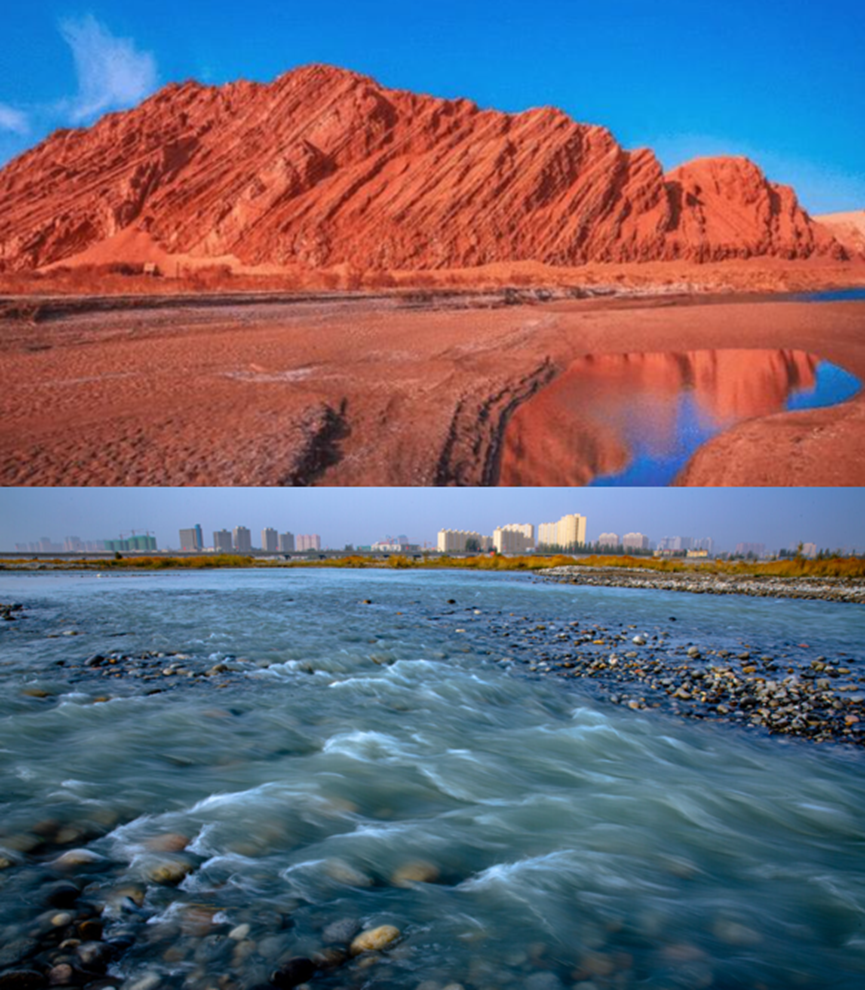
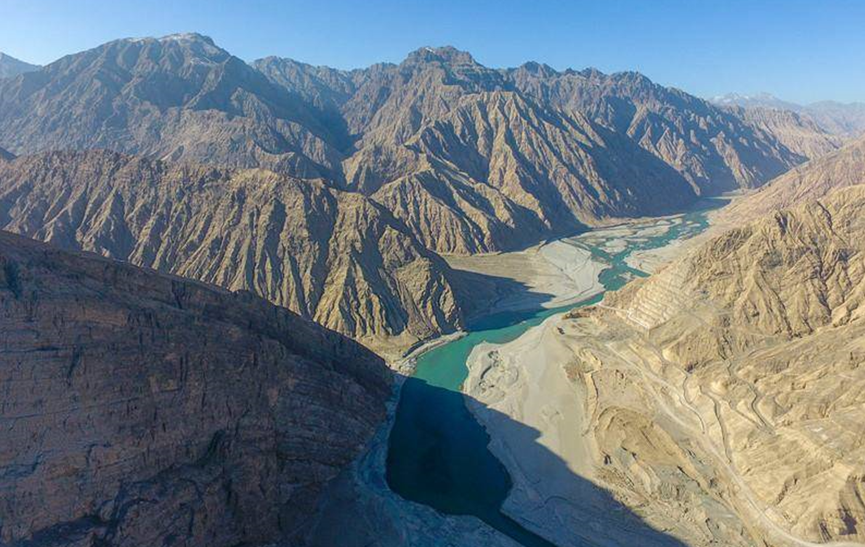
At the pinnacle of Hotan jade lies the elusive single-seed variety, characterized by its unique texture, exquisite translucency, and unmatched beauty. The formation of single-seed Hotan jade is a captivating tale of nature’s artistry and the passage of time. Over billions of years, raw stones from the Kunlun Mountains journey through mountain streams before finding their way to the Yulong Kashgar River. Here, they undergo erosion and transformation, gradually evolving into individual pieces of single-seed Hotan Jade. For generations, the value of single-seed jade has been known primarily to the Chinese, with most aware of its priceless worth but never having the chance to possess a true piece. Understanding its formation process reveals the incredibly low inventory of single-seed jade, with the exceptionally exquisite pieces being even scarcer. In Xinjiang Hotan, a group known as “jade diggers” spends years searching for beautiful single-seed jade along the Yulong Kashgar River. Once found, these gems are immediately sought after, often ending up in the hands of China’s top collectors. These elite collectors have a penchant for accumulating single-seed jade in various shapes, colors, and skin textures, eagerly acquiring any high-quality pieces they come across.
Despite its timeless allure, authentic Hotan jade faces challenges in today’s world. With the rise of mass production and imitation products, genuine Hotan jade is becoming increasingly scarce. To preserve this ancient tradition, it is crucial to support sustainable practices and ethical sourcing, ensuring the legacy of Hotan Nephrite jade for future generations. Xinjiang Hotan Nephrite jade stands as a testament to the enduring beauty of nature and the rich cultural heritage of China. Its timeless elegance, cultural significance, and mystical allure continue to captivate the hearts of collectors and enthusiasts worldwide. As we continue to explore the mystique of Hotan jade, let us celebrate its legacy and honor the artisans who have dedicated themselves to preserving this invaluable treasure for generations to come.
In ancient times, all exquisite stones were revered as jade. Nephrite jade, a gemstone of profound allure, is primarily composed of calcium magnesium silicate, formed through the metamorphism of pre-existing rocks under intense pressure and heat. This transformative process over millions of years metamorphoses limestone, dolomite, or serpentine into the dense, compact material recognized as Nephrite jade.
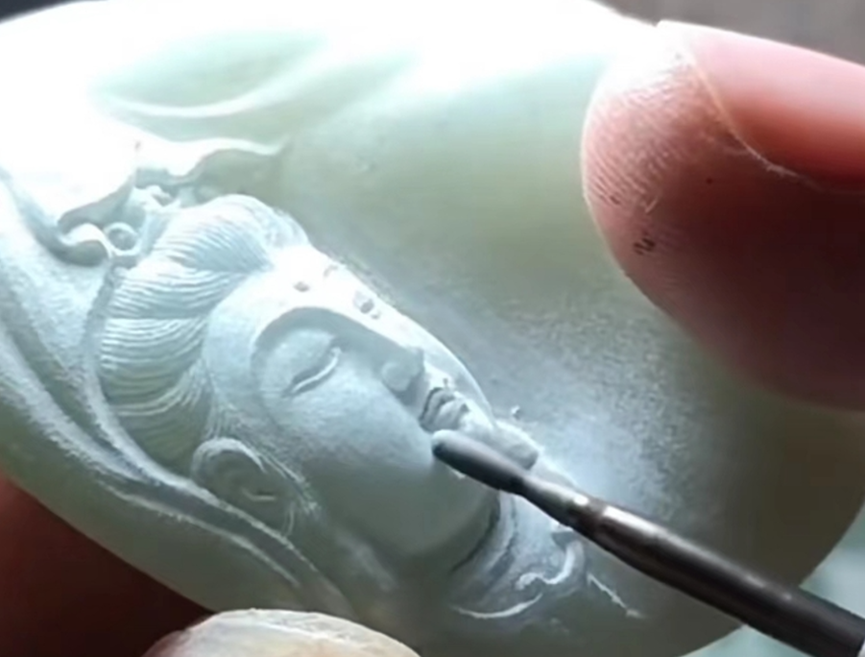
Originating from diverse geological locales worldwide, such as China, Russia, Canada, and the United States, Nephrite jade showcases a spectrum of colors and characteristics, from creamy whites to vibrant greens and deep emeralds. Its malleability allows for intricate carvings, making it a favored medium for artistic expression across cultures.
Among the most coveted varieties of Nephrite jade are those originating from the Xinjiang Hotan region in China, cherished for their exceptional quality and timeless charm. Once treasured by ancient Chinese royalty, these specimens are now increasingly rare, coveted for their unmatched quality and allure. Today, high-quality stones or works are predominantly held by discerning collectors in China’s high-end market.
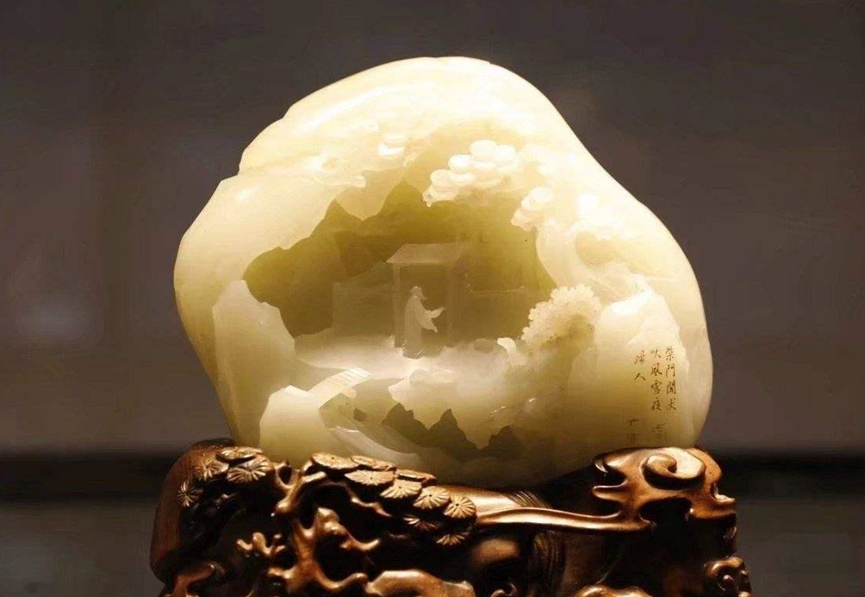
At the pinnacle of Xinjiang’s Hotan Nephrite jade lies the elusive single-seed variety, characterized by its unique texture, exquisite translucency, and unmatched beauty. Formed through billions of years of geological changes and erosion, every single-seed Nephrite is different, and its scarcity elevates its status as a prized possession, treasured for its timeless elegance.
Despite its fervent adoration, the scarcity of high-quality and true Xinjiang Nephrite presents a challenge, compounded by a lack of awareness regarding its distinction from other sources and the application of artificial enhancements.
At Hermit Jade, we’re dedicated to sharing the magic and beauty of paramount Nephrite jade while upholding transparency and integrity. Join us as we delve into its history, craftsmanship, and significance, inviting you to experience the timeless treasure of Nephrite jade – a gemstone that transcends borders and captivates the soul.