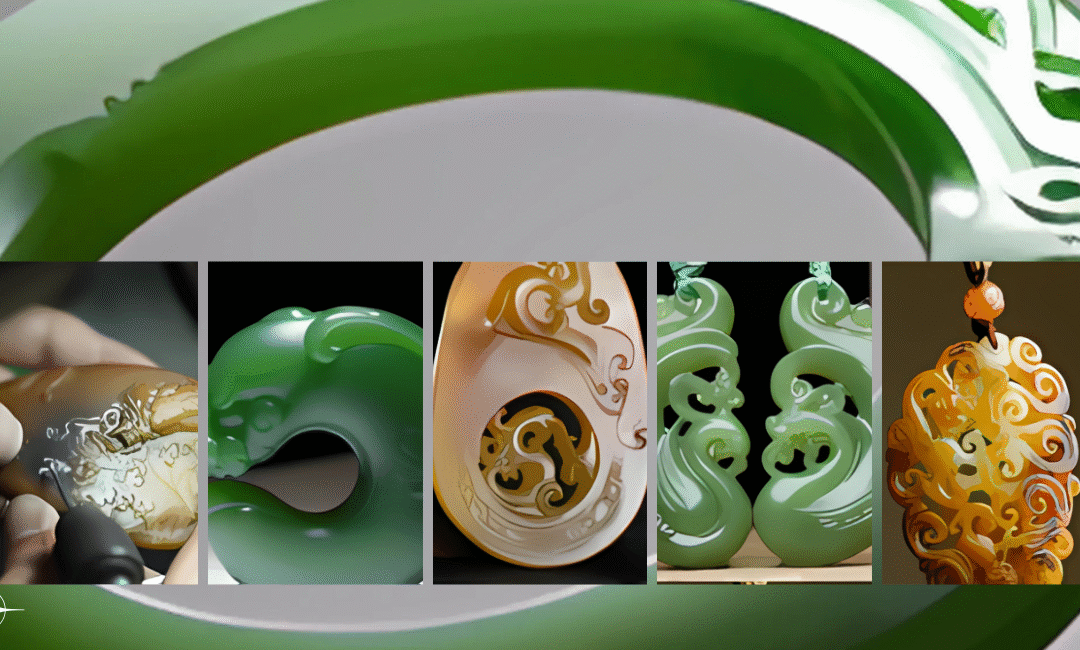
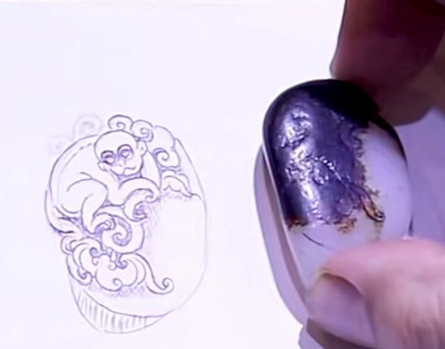
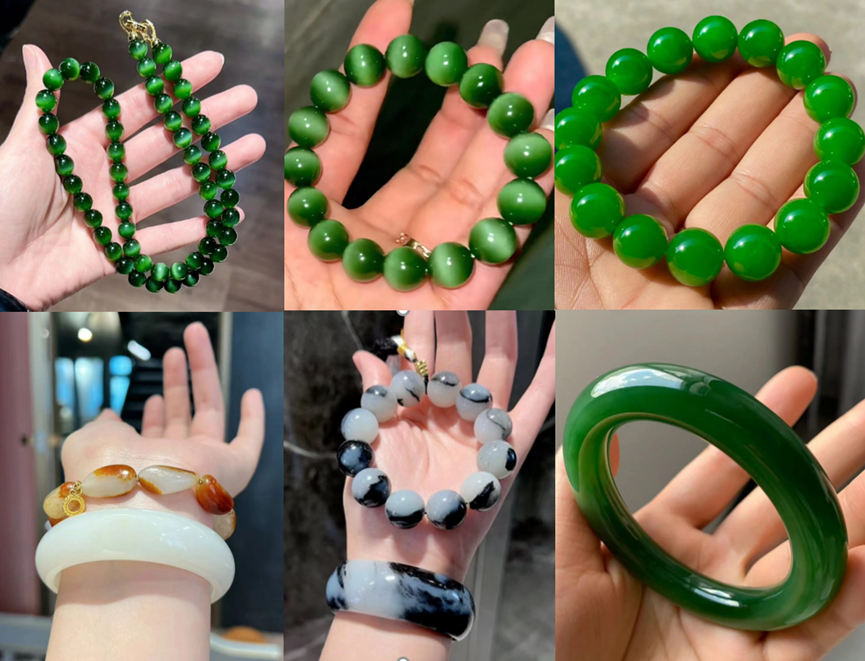
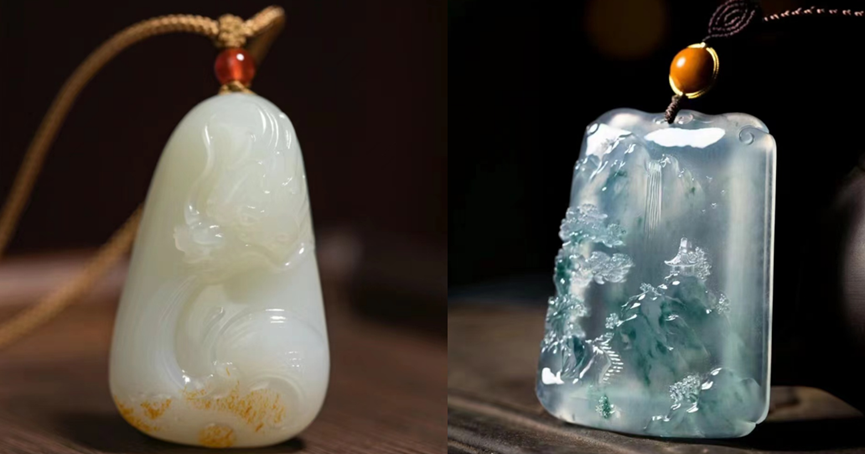
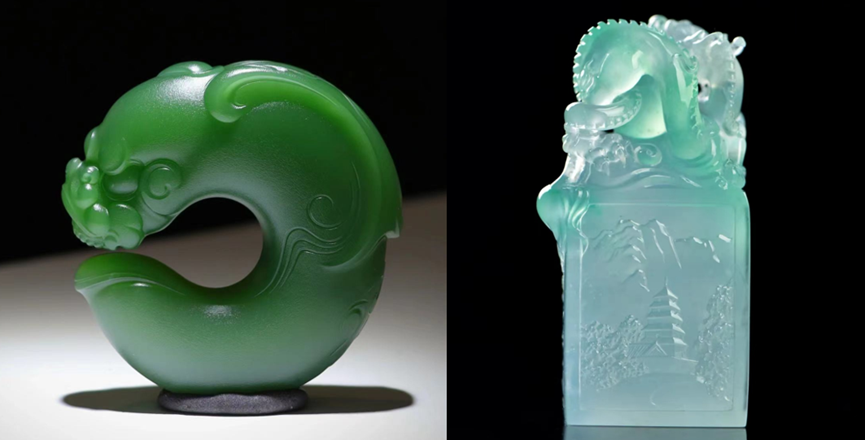
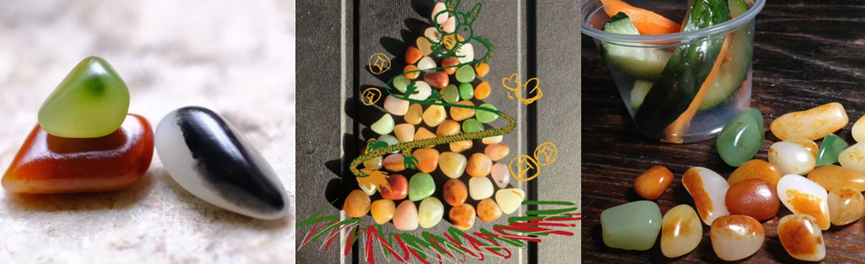
Jade, with its rich history and deep cultural significance, has been treasured across various cultures for millennia. While Hotan Nephrite jade from Xinjiang region in China is highly renowned, these recommended themes and their meanings apply broadly to jade carvings from different regions, including nephrite and jadeite. Whether you are considering commissioning or purchasing a jade carving, here are some recommended popular themes and their meanings to inspire your choice.
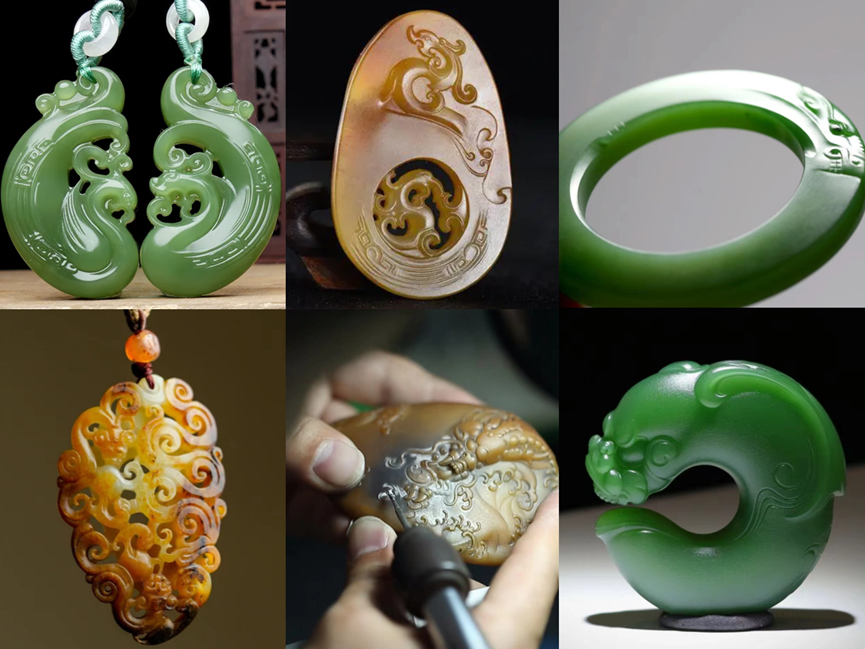
Dragon and Phoenix
The dragon and phoenix are iconic symbols in Chinese culture. The dragon represents power, strength, and good fortune, while the phoenix symbolizes grace, virtue, and renewal. Together, they signify harmony and prosperity. A jade carving featuring these mythical creatures is not only visually captivating but also imbued with wishes for a harmonious and prosperous life.
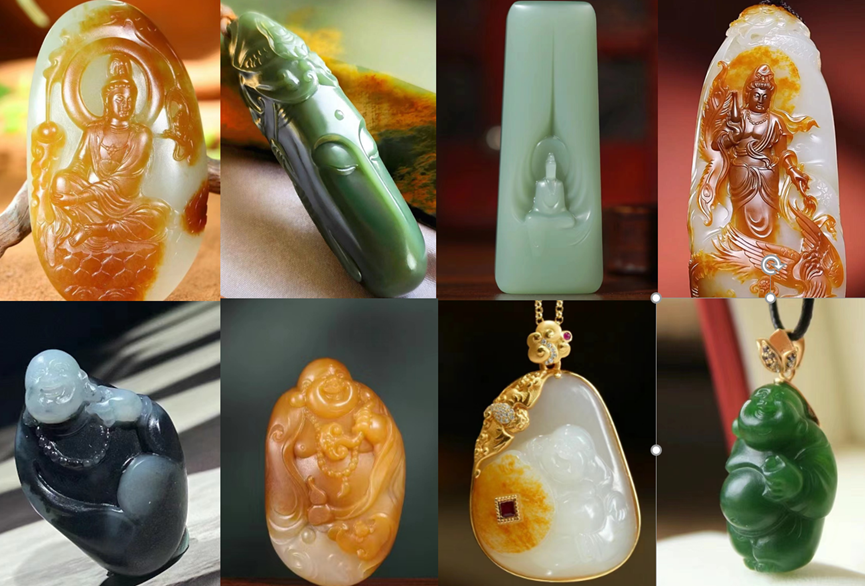
Buddha and Bodhisattvas
Jade carvings of Buddha and Bodhisattvas are highly revered for their serene expressions and elegant postures, which inspire peace and contemplation. A Buddha carving brings tranquility and spiritual guidance, making it a meaningful piece for those seeking inner peace and enlightenment. Among Bodhisattvas, Guanyin, the Goddess of Mercy, is a beloved figure in Chinese Buddhism, known for her compassion and kindness. A jade carving of Guanyin provides comfort and protection, embodying her attributes of mercy and benevolence. This carving is especially significant for those seeking solace and guidance.
Lotus Flower
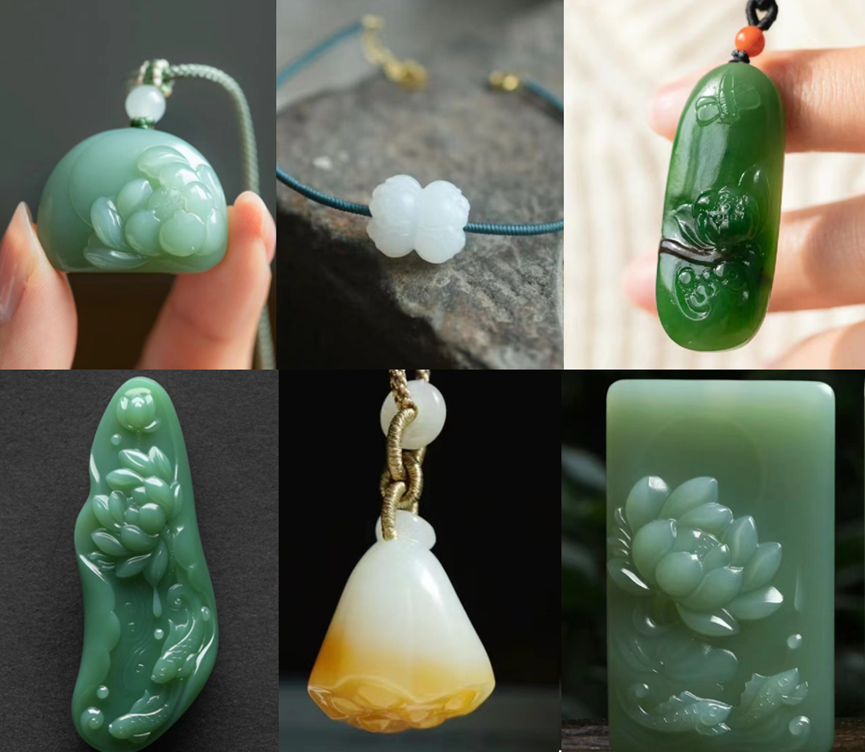
The lotus flower is a symbol of purity and enlightenment in both Buddhism and Chinese culture. Growing from the mud yet remaining unstained, the lotus embodies the idea of rising above worldly troubles. A jade carving of a lotus flower is perfect for those who aspire to maintain purity and strive for spiritual growth despite life’s challenges.
Fish
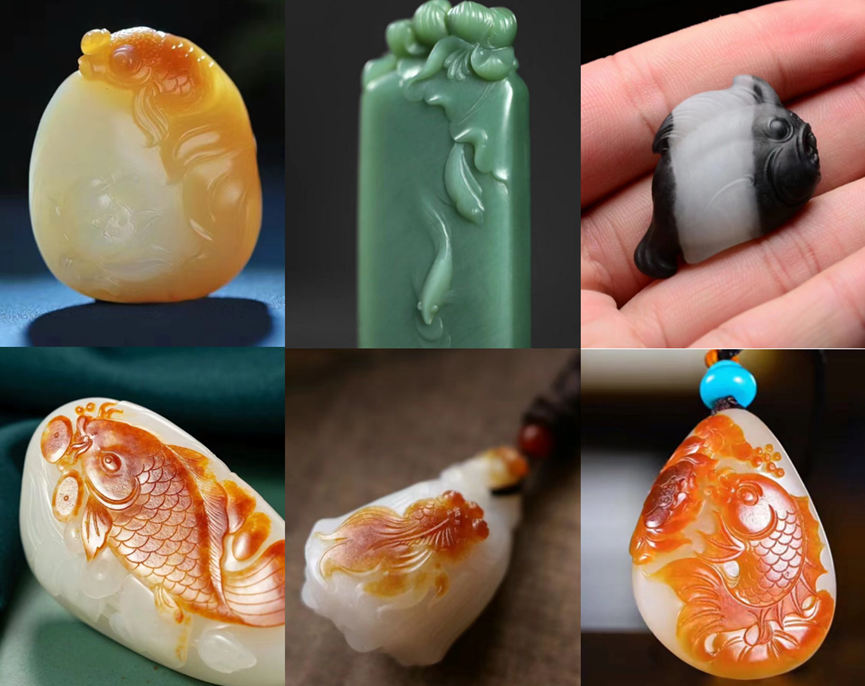
Fish are symbols of abundance and wealth, as the Chinese word for fish (“鱼,” yú) sounds like the word for surplus (“余,” yú). Carvings depicting fish, especially carp, are believed to bring prosperity and success. They are ideal for those wishing to enhance their fortune and achieve their goals
Cicada
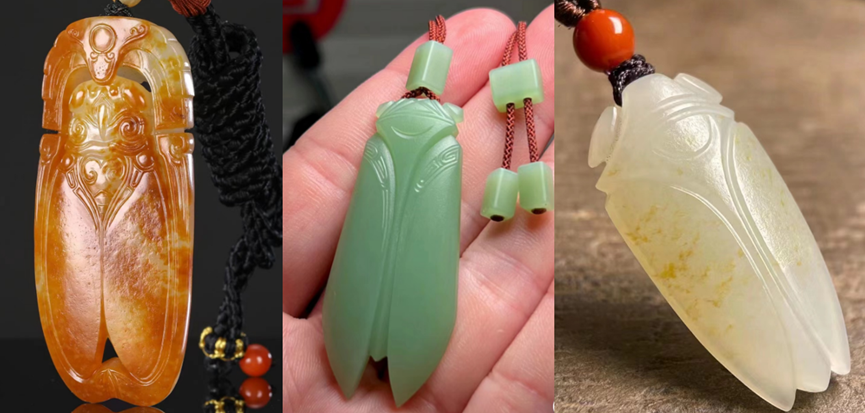
In Chinese culture, the cicada represents rebirth and immortality due to its life cycle and ability to emerge anew after a period of dormancy. A jade carving of a cicada can serve as a powerful talisman for transformation and renewal, reminding its owner of the potential for new beginnings.
Tigers and Lions
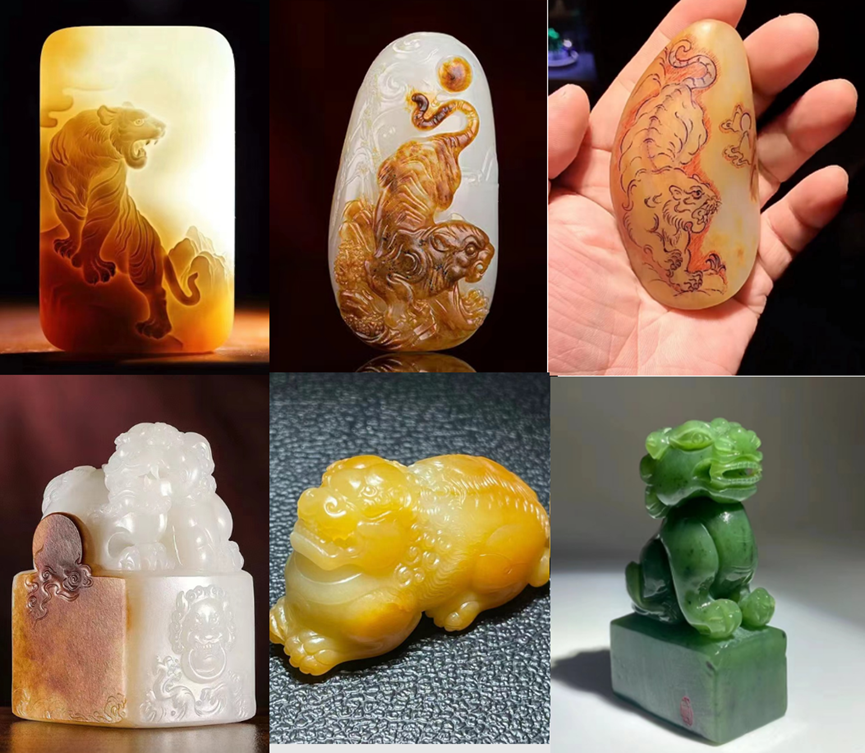
Tigers and lions symbolize bravery, power, and protection. They are often carved in dynamic poses, capturing their fierce and majestic nature. A jade carving of these powerful animals can serve as a guardian, offering protection and strength to its owner.
Pi Xiu
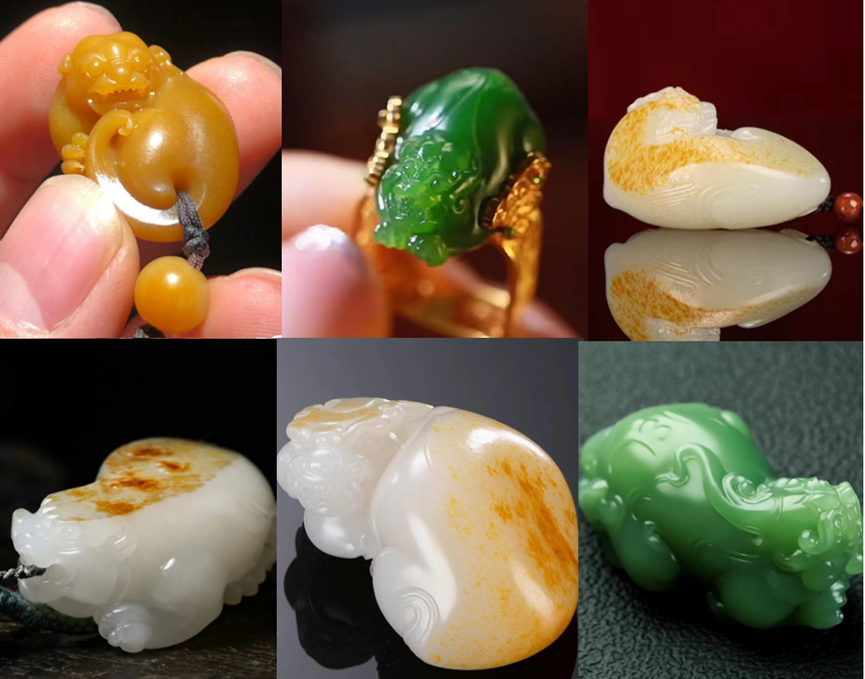
Pi Xiu, a mythical creature resembling a lion with wings, is believed to attract wealth and ward off evil spirits. It is a popular subject in jade carvings for those seeking to enhance their financial luck and protect against negative influences.
Bamboo
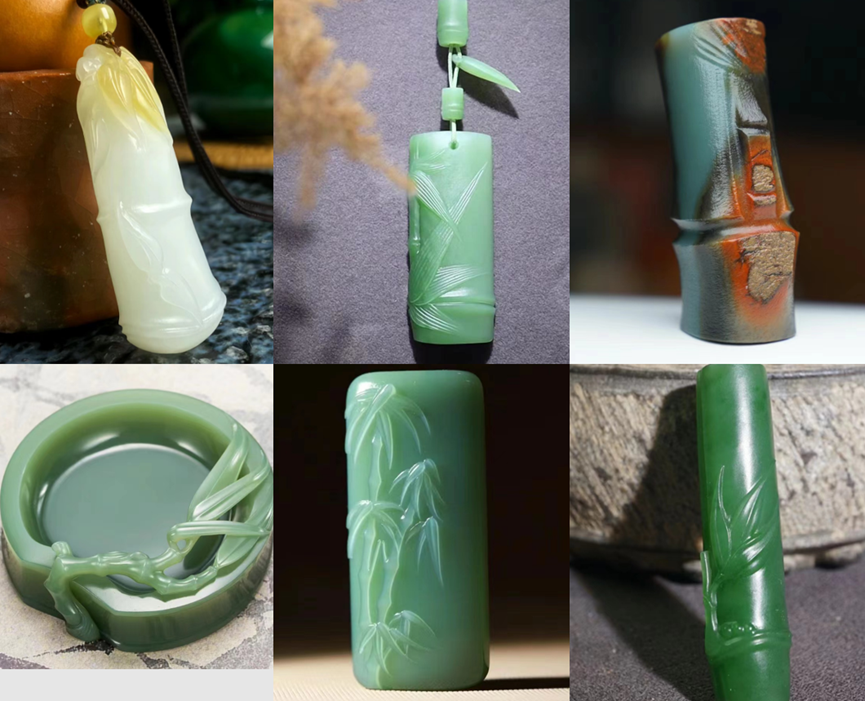
Bamboo is a symbol of resilience, flexibility, and uprightness. Its ability to bend without breaking in strong winds makes it a metaphor for perseverance and integrity. A jade carving of bamboo is a wonderful reminder of the virtues of adaptability and strength in the face of adversity.
Gourd
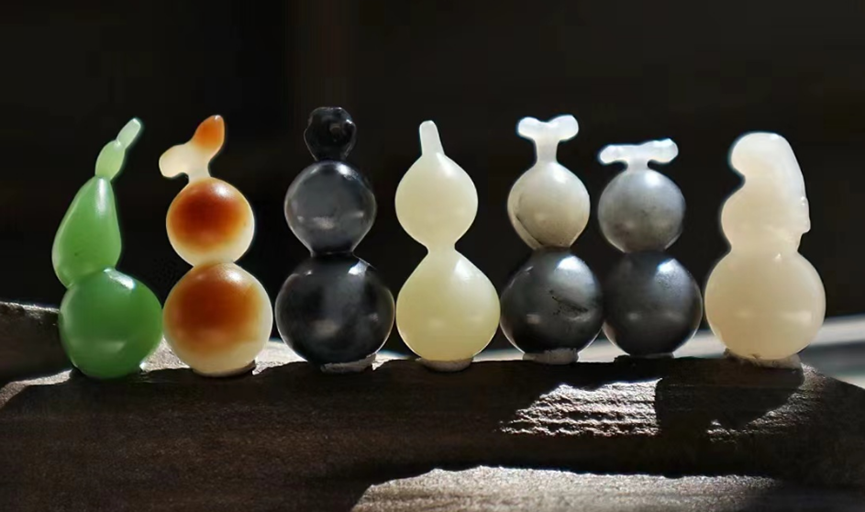
Gourd is a traditional symbol of good fortune, longevity, and fertility in Chinese culture. Its shape resembles the number “8,” which is considered a lucky number. A jade carving of a gourd signifies blessings, family happiness, and prosperity, making it a perfect gift for loved ones.
Peach
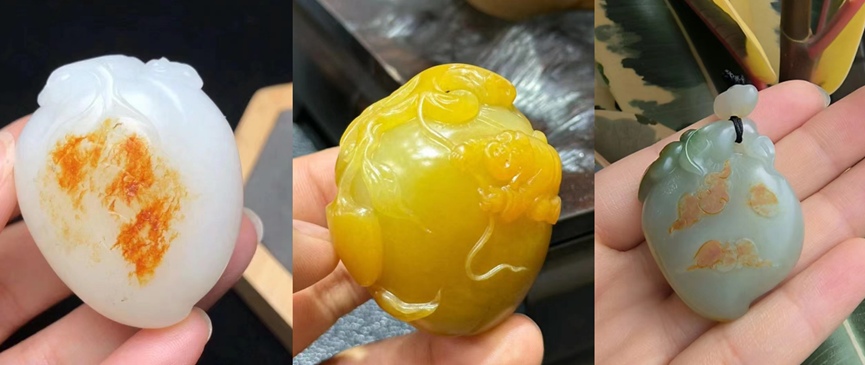
The peach is often associated with immortality and longevity in Chinese mythology. It is believed to be the fruit of the gods, granting eternal life to those who consume it. A jade carving featuring peaches is an auspicious gift, symbolizing good health and a long life.
Safety Buckle & Tranquility Plaque
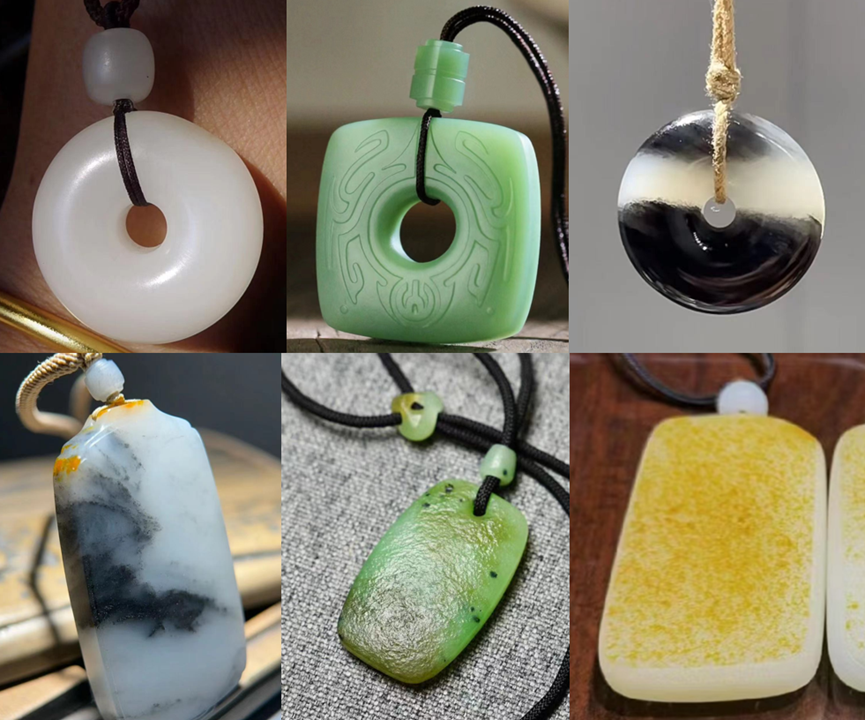
Safety buckle is a round jade carving symbolizing peace and safety. Its simple yet profound shape represents wholeness and harmony. Wearing or gifting a safety buckle expresses a wish for a safe and happy life. Tranquility plaque is a rectangular or square jade carving with a smooth, unadorned surface. It symbolizes the absence of worries and troubles. Its minimalist design and deep meaning make it an ideal choice for those seeking tranquility and a stress-free life.
In this blog, we have explored some of the most popular and foundational themes in jade carving. However, the world of art offers a vast array of themes and creative expressions to explore. Selecting a theme for a jade carving transcends mere aesthetics; it involves discovering a piece that resonates deeply with personal values, aspirations, and cultural heritage. Whether acquired for personal enjoyment or as a gift, a thoughtfully chosen jade carving has the potential to enrich its owner’s life with profound meaning and blessings. Let the rich symbolism and timeless beauty of jade inspire your next cherished acquisition.
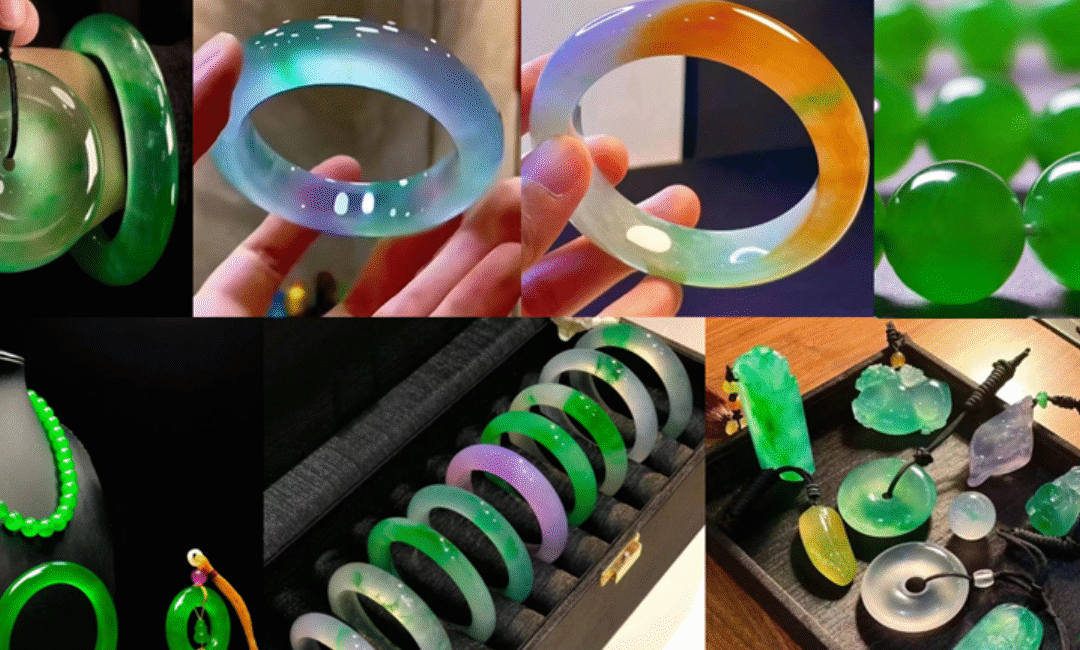
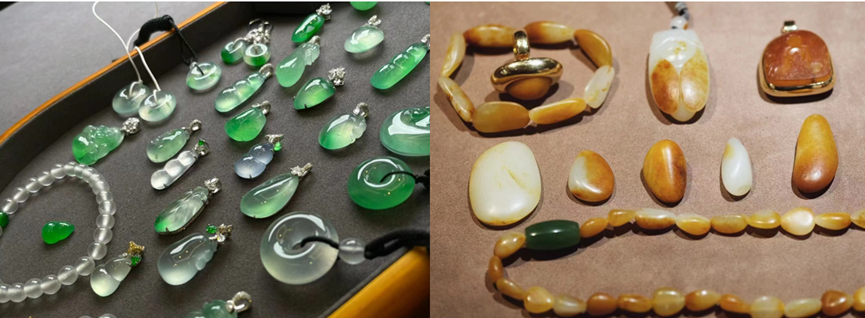
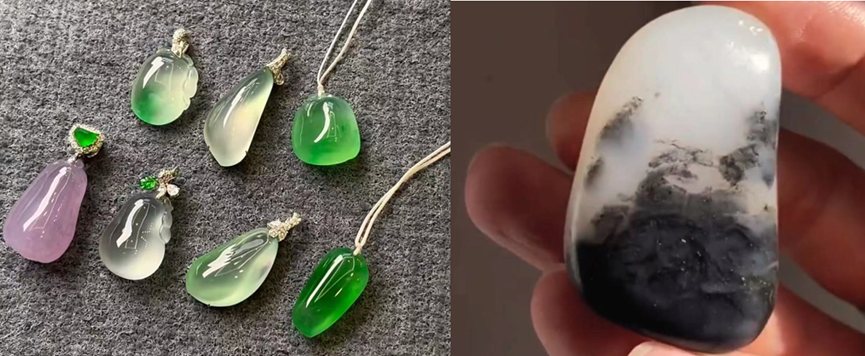
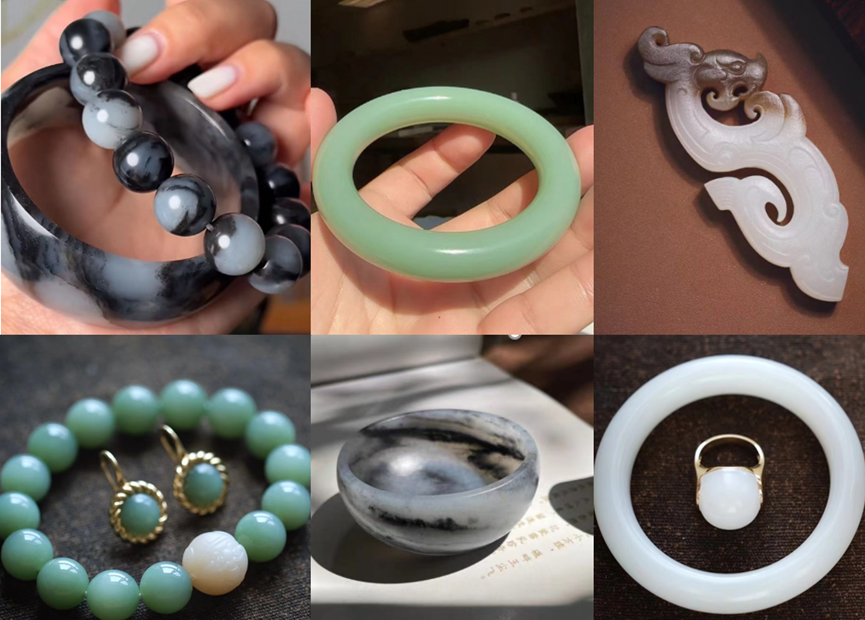
In the world of jade, top-tier nephrite jade and jadeite stand out as pinnacles of beauty and craftsmanship. While these exquisite pieces may be beyond the reach of most collectors, it is essential for jade enthusiasts to regularly admire and study them. By exposing oneself to the highest quality jade, collectors can refine their taste, enhance their appreciation, and develop a discerning eye. This practice allows enthusiasts to make informed decisions and select beautiful pieces that align with their budget, ultimately enriching their collection with pieces they truly love.
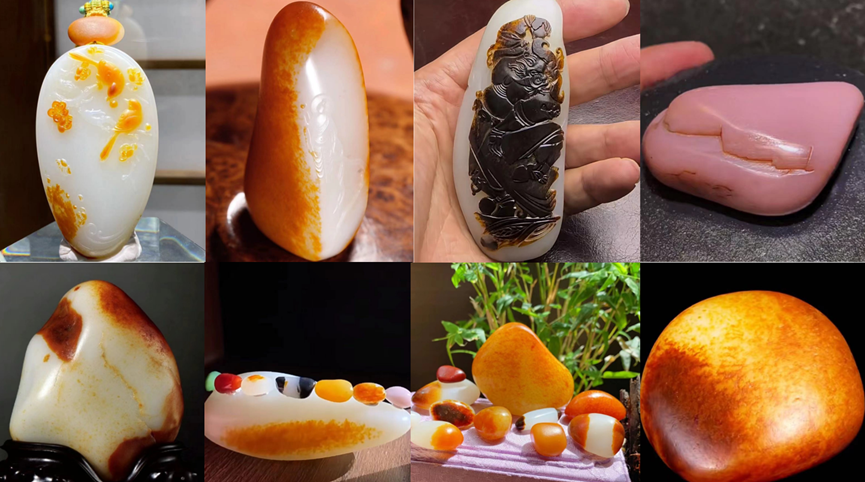
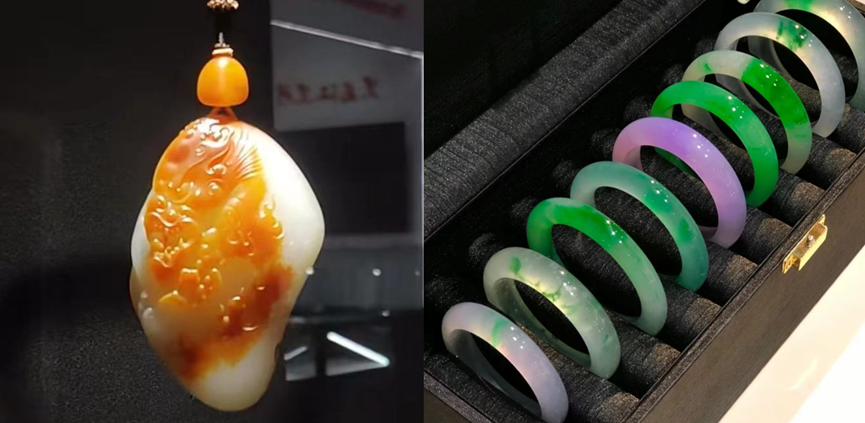
The Allure of Top-Tier Nephrite Jade (Photo Gallery)
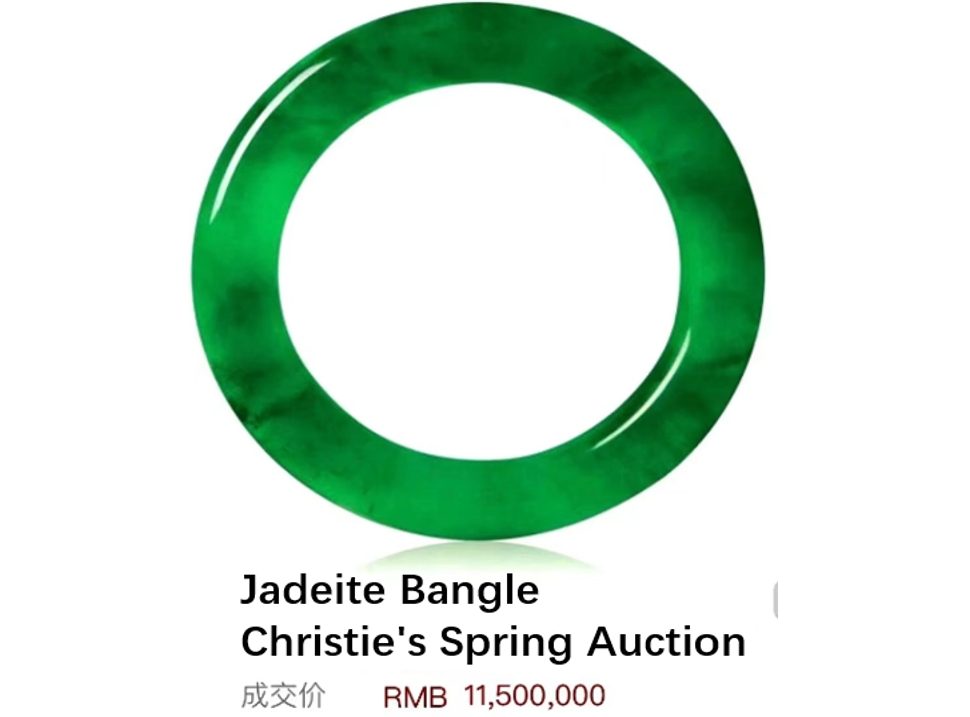
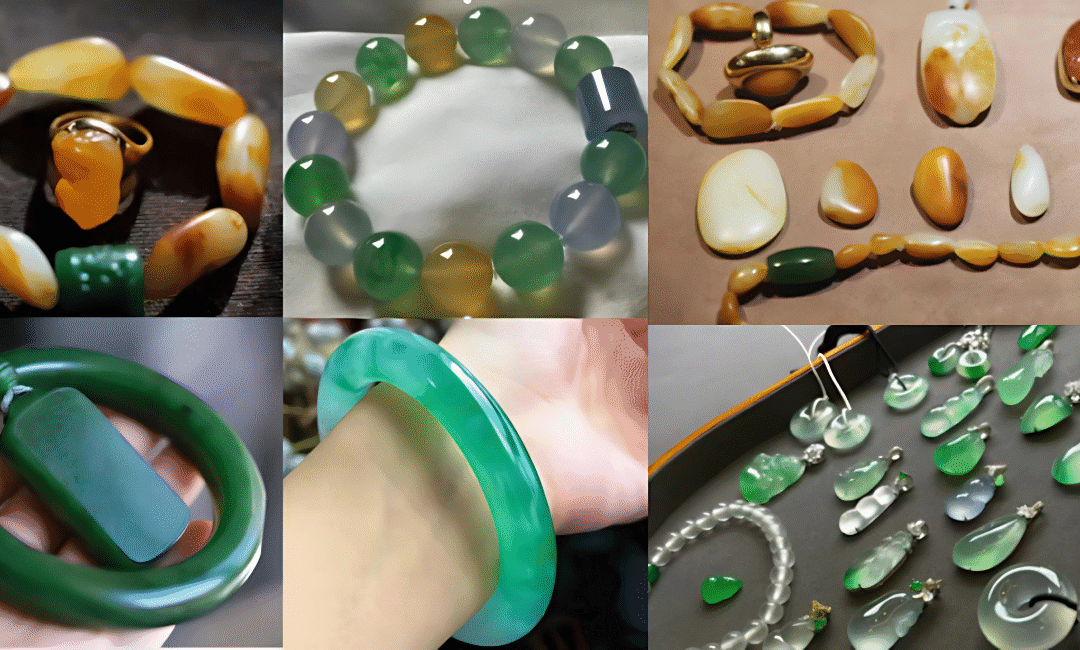
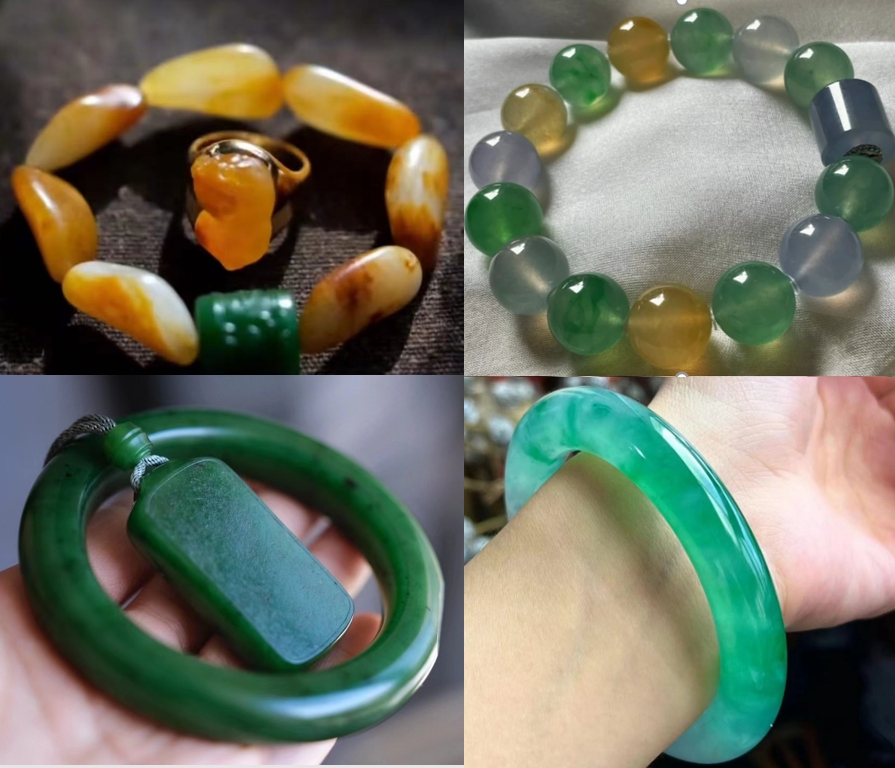
The Splendor of Premium Jadeite (Photo Gallery)
At Hermit Jade, we believe that everyone should have the opportunity to appreciate the finest jade. By exploring these top-tier pieces, you can elevate your taste and appreciation, ultimately finding joy in the jade pieces you choose to collect. While owning top-tier nephrite jade and jadeite may be a dream for many, the value of appreciating these masterpieces extends beyond ownership. By immersing yourself in the world of high-quality jade, you can refine your taste, enhance your understanding, and make informed choices that resonate with your personal style and budget. At Hermit Jade, we invite you to explore and admire the beauty of the finest jade, and let it inspire your journey in jade collection.
When it comes to jade, two primary types stand out: Nephrite and Jadeite. Though both are revered for their beauty and cultural significance, they are distinct in their composition, appearance, and historical usage. In this blog post, we’ll explore the key differences and unique qualities of Nephrite and Jadeite, helping you appreciate the nuances of these captivating stones.
Composition and Structure
Nephrite: Nephrite is a variety of the amphibole mineral actinolite. Its structure comprises a microcrystalline interlocking fibrous matrix, contributing to its exceptional toughness. Nephrite typically contains calcium, magnesium, and iron.
Jadeite: Jadeite belongs to the pyroxene group of minerals, characterized by a dense, granular structure composed mainly of sodium and aluminum. Its crystalline structure is tighter and more granular compared to Nephrite.
Appearance and Color
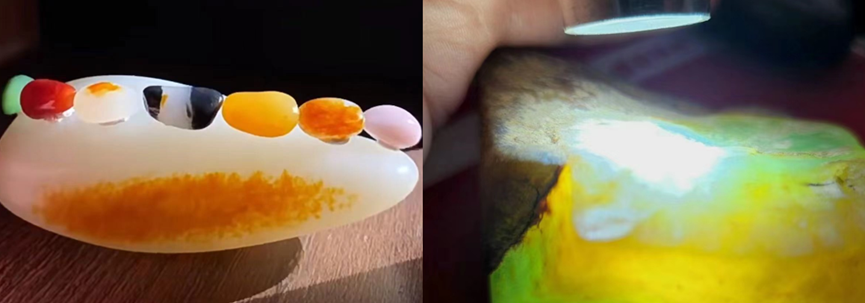
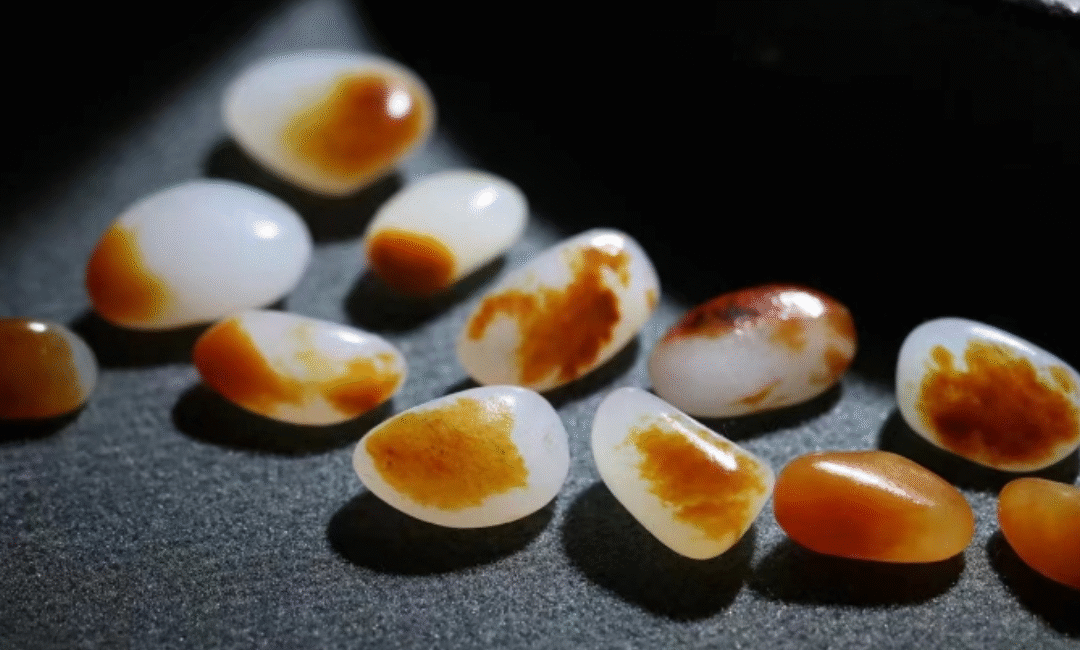
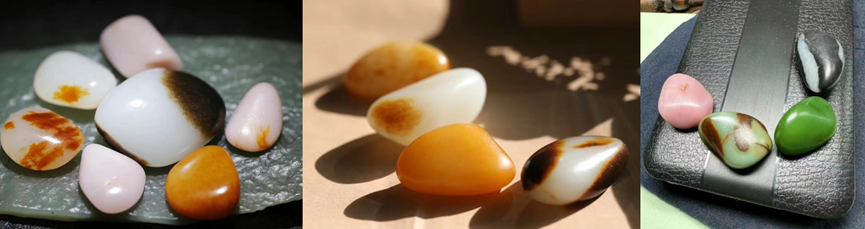
Nephrite: Nephrite jade is commonly found in shades of green, ranging from pale to dark. It can also appear in white, brown, yellow, and even black. Among the most prized varieties are single-seed Nephrite pieces from Xinjiang’s Hotan region that exhibits creamy-white color and beautifully mottled surface colors.
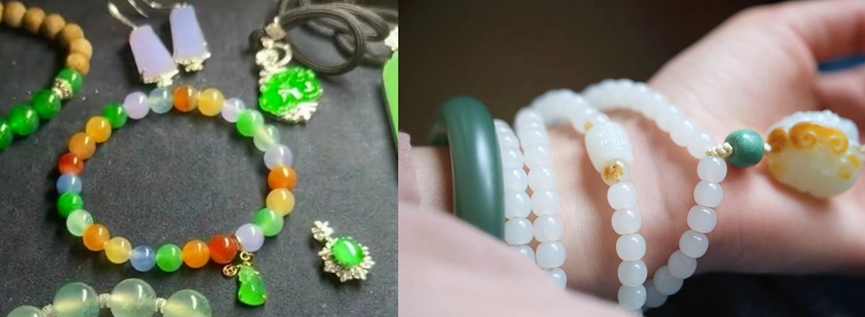
Jadeite: Jadeite exhibits a broader spectrum of colors, including vibrant greens, lavender, white, yellow, pink, and black. The most prized variety is Imperial Green Jade, which features a rich emerald-green hue with high translucency. Jadeite’s colors are often more vivid and varied compared to Nephrite.
Geographical Origins
Nephrite: Major sources of Nephrite include China, New Zealand, Russia and Canada. Historically, Nephrite jade has been extensively used in Chinese art and culture for thousands of years, symbolizing purity and moral integrity.
Jadeite: Jadeite is predominantly found in Myanmar (Burma), renowned for producing some of the finest quality jadeite globally. It also occurs in countries such as Guatemala, Japan, and the United States, gaining popularity during the Qing Dynasty in China.
Historical and Cultural Significance
Nephrite: With a history spanning over 7,000 years in Chinese culture, Nephrite jade is carved into intricate artifacts, jewelry, and ceremonial objects. It is often associated with Confucian virtues and is believed to bring protection, health, and good fortune.
Jadeite: Jadeite gained prominence in Chinese culture during the 18th century, particularly among the elite. Its vivid colors compared to Nephrite made it highly desirable. It also holds significance in Mesoamerican cultures, used in religious and ceremonial contexts.
Durability and Usage
Nephrite: Renowned for its toughness, Nephrite jade is less prone to chipping or breaking, making it ideal for intricate carvings and durable jewelry.
Jadeite: Although harder than Nephrite, Jadeite is more brittle, requiring careful handling to avoid damage. Its hardness makes it suitable for high-end jewelry and fine art pieces.
Market Value
Nephrite: While generally more abundant and less expensive than Jadeite, high-quality single-seed Nephrite specifically from Xinjiang’s Hotan region commands exceedingly high prices and holds significant investment value. It is exceptionally rare and dwindling, making it irreplaceable. Additionally, artworks with historical significance or exceptional craftsmanship can fetch high prices.
Jadeite: High-quality Jadeite is exceptionally rare and holds extraordinary value, particularly the Imperial Green Jade variety. Its market value is driven by its immense popularity and the widespread demand for its vibrant colors and translucency. Jadeite jades are far more recognized, understood, and worn worldwide compared to Nephrite jades.
Aesthetic Differences
Nephrite: Nephrite’s aesthetic, particularly Hotan jade from China’s Xinjiang region, is more understated and traditional. Its appeal lies in its subtle, internal luster, fine grain, and rich, creamy texture. Unlike Jadeite, it should not be too translucent or glossy. Nephrite embodies a cultural heritage that values warmth, maturity, and subtlety, often appreciated by older, more experienced collectors. It is not only worn but also handled for its tactile qualities, categorizing it under traditional Chinese scholarly objects (文玩).
Jadeite: When appreciating Jadeite, the focus is on its translucency, luster, vivid color, and fine texture. The best Jadeite pieces are clear, glossy, brightly colored, and densely structured without visible inclusions. Jadeite’s aesthetic appeals to modern, commercial tastes, often making it a standout piece meant to attract attention.
Both Nephrite and Jadeite jade hold timeless beauty and cultural significance, each with unique characteristics. Whether you are drawn to the historical depth of Nephrite or the vibrant colors of Jadeite, understanding these differences can enrich your appreciation of jade. At Hermit Jade, we celebrate the rich heritage and allure of both Nephrite and Jadeite. Explore our collection to find the perfect jade piece that resonates with your personal style and cultural appreciation.
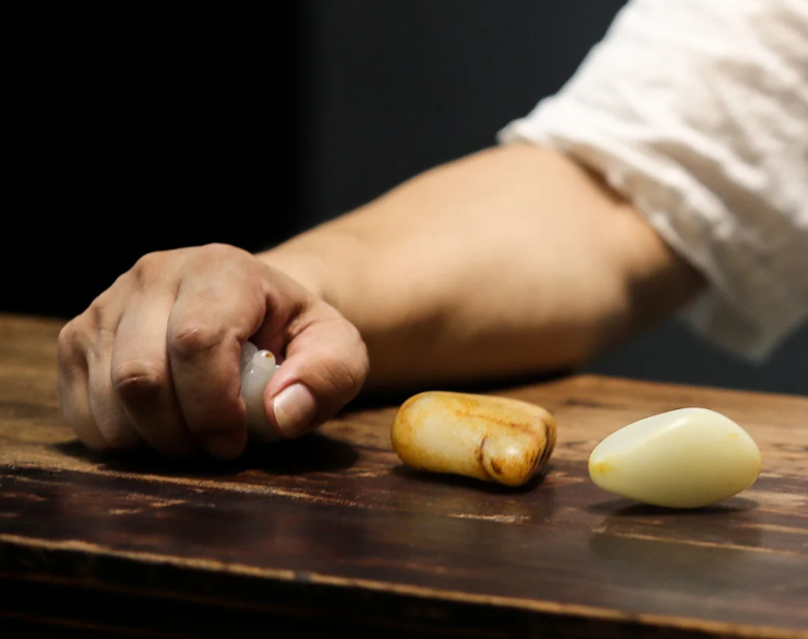
While all jades demand attention, the single-seed nephrite from Xinjiang Hotan holds a distinct allure—it evolves and refines through human touch. This dynamic interaction between the polisher and the Lonely Stone yields a transformative journey, where souls intertwine. Notably, this magical metamorphosis is exclusive to Xinjiang Hotan’s single-seed nephrite, affectionately dubbed the Lonely Stone at Hermit Jade.
The Magic of Nephrite Jade Polishing
As spring yields to summer, we embrace the changing seasons, indulging in the simple pleasures of life—savoring fresh fruits, relishing plum wine, and tenderly polishing our nephrite jade. For enthusiasts, this ritual is a daily devotion. Seasoned collectors seek “maturity” in their jade, characterized by a natural richness akin to mutton fat—a quality that elevates its allure.
Polishing Nephrite Jade: A Journey of Self-Cultivation
Beyond transforming the stone, polishing nephrite jade refines the polisher’s spirit. In China, jade embodies the essence of a gentleman or a hermit, evoking virtues like wisdom, refinement, and tranquility. Regular polishing is akin to a spiritual discipline, fostering personal growth and embodying timeless virtues.
How to Care for Your Nephrite Jade
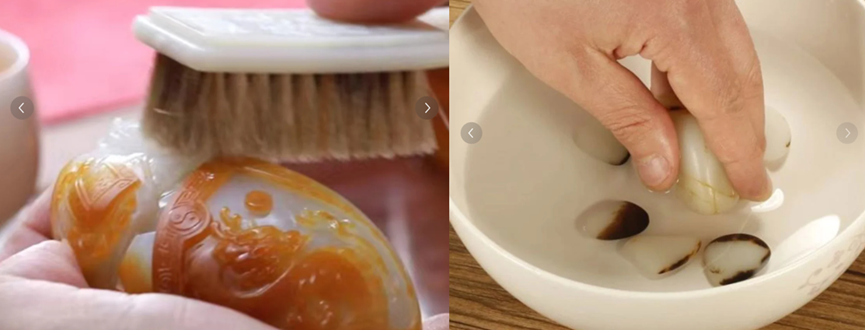
Gentle handling is paramount. Regularly caressing the nephrite jade with clean hands fosters its natural luster, while avoiding harsh abrasion. Incorporating pure, natural maintenance oil accelerates the patina formation, enhancing its timeless appeal. Wearing jade as an accessory further enriches its beauty, as it absorbs the wearer’s essence over time.
Nurturing Your Nephrite Jade
Nephrite jade, a spiritual gem, thrives on meticulous care. Treasuring it is akin to nurturing a cherished bond, with each passing year enriching its beauty. Regular cleaning with warm water and gentle wiping ensures its pristine condition, while safeguarding against corrosion from harsh chemicals.
Bringing Your Nephrite Jade to Life
Polishing jade is more than a physical endeavor—it’s an intimate dialogue that enriches both stone and soul. Through patient refinement, imperfections fade, and its innate splendor shines forth. This journey of transformation fosters a deep connection, enriching both the owner and the treasured piece.
Nephrite Jade, with its timeless allure and profound significance, is a treasure for any collector. However, starting your collection can be daunting, especially when working with a limited budget. Here, we provide a structured approach to help you build a meaningful and impressive Nephrite Jade collection over time.
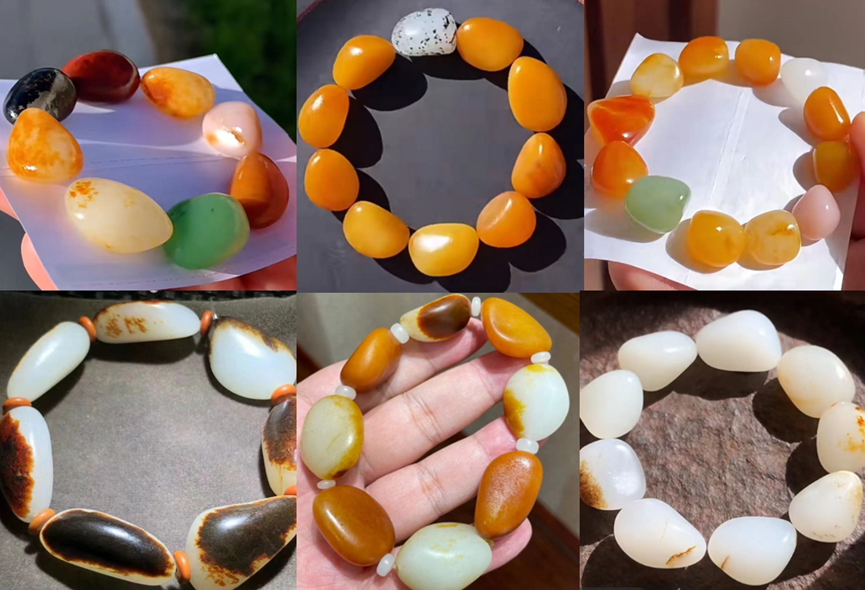
Step 1: Begin with Lonely Stone Bracelets
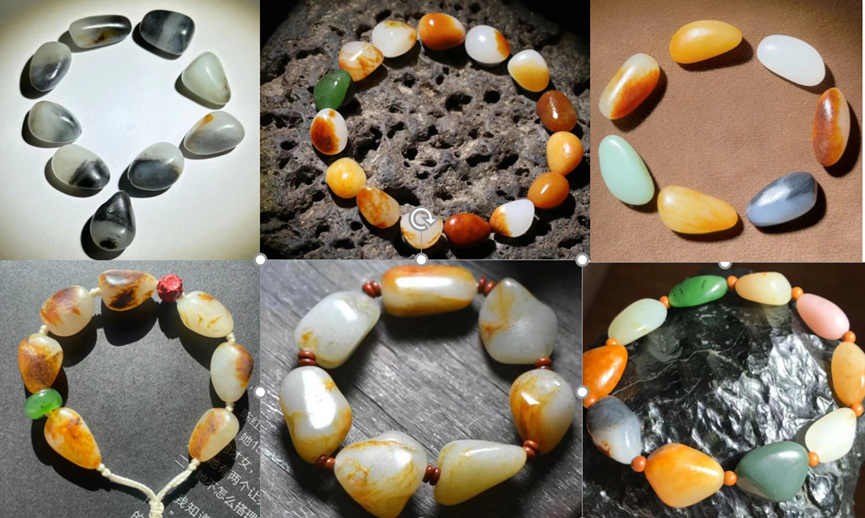
For Women: Start with a bracelet composed of single-seed Nephrite stones, each weighing around 2.5g to 3g. This is a fundamental piece for any collector. You’ll need 12 stones to complete the bracelet. As you progress, consider adding another bracelet with stones weighing between 3.5g and 4.5g, requiring 8 to 9 stones.
For Men: Begin with a bracelet made of stones each weighing between 5.5g and 7g, needing 9 to 10 stones. Additionally, a larger stone bracelet to play with in hand can be a delightful addition.Budget: Expect to spend between $10,000 to $100,000, depending on the number and quality of lonely stones you choose (considering factors like shape, weight, color, and perfection level).
Step 2: Collect Individual Stones for Pendants and Hand Play
After acquiring your lonely stone bracelets, the next step is to collect individual Nephrite stones that resonate with you personally.
For Women: Focus on stones weighing between 10g and 30g to wear as pendants or simply to appreciate and play with in hand.
For Men: Look for stones weighing between 25g and 45g, ideal for the same purposes. After acquiring your lonely stone bracelets, the next desirable is to collect a few individual Nephrite stones that resonate with you personally.
Step 3: Invest in High-Quality Small Stones
Once you’ve established a foundation with your bracelets and individual stones, it’s time to invest in small but high-quality lonely stones.
Recommended Sizes: Collect stones weighing between 2g and 4g. These can be crafted into bracelets, rings, earrings, or pendants, often paired beautifully with 18k gold settings.
Note: While these high-quality stones are small, they are often quite expensive. However, for a high-end collector, possessing a selection of these exquisite stones in various shapes and colors is essential.
Why Start with Lonely Stones?
Starting your collection with single-seed Nephite pieces might seem counterintuitive due to their higher cost, but there are compelling reasons for this approach:
Rarity and Value: Individual stones are very rare and the availability of high-quality lonely stones is decreasing. As they become harder to find, their value and price are likely to increase. Owning these rare stones early on can be a sound investment, as their scarcity will drive up their value over time.
Quality Assurance: These stones represent the highest quality Nephrite Jade, ensuring that your collection begins with exceptional pieces.Versatility: These stones can be crafted into various jewelry pieces or kept as standalone treasures, providing flexibility in how you expand your collection.
Step 4: Expand to Larger Artworks and General Nephrite Pieces
With your basic collection of single-seed Nephrite established, you can start exploring larger Nephrite Jade artworks and products.
Options Include:
Pieces cut and carved from larger single-seed stones. Items made from more common Nephrite sources, such as the green stones from Russia or the white stones from Xinjiang Kunlun Mountain. These sources have vast reserves and much cheaper prices, ensuring that you can always find a piece that you like.
By following this structured approach, you can systematically build a beautiful and valuable Nephrite Jade collection while staying within your budget. Remember, the journey of collecting Nephrite Jade is as rewarding as the stones themselves, offering a timeless connection to nature’s artistry. We hope this guide helps you embark on your Nephrite Jade collecting journey with confidence and joy. If you have any questions or need further assistance, please reach out to our VIP service manager at may.tsiu@hermitjade.com.