
The Origins of Jadeite Jade
Jadeite Jade, known as the king of jade and deeply treasured by Chinese people, actually doesn’t originate from China. Unlike Nephrite Jade which can be found in China, Central Asia, and New Zealand, Jadeite’s origins are much rarer and more exclusive. In fact, more than 90% of the world’s high-quality Jadeite jade comes from one region - Myanmar (Burma). The extreme rarity and beauty of Burmese Jadeite make it a truly wondrous gemstone, especially when crafted by Chinese artisans, who infuse these treasures with rich cultural and spiritual significance.
The Origins of Jadeite Jade
A Gem Forged by Earth and Time
Deep beneath the rough mountains of northern Myanmar, where the earth’s plates slowly moved and pressed together, Jadeite Jade was born. It forms over tens of millions of years under extreme pressure and low temperatures, deep within metamorphic rocks. Its chemical composition as a sodium-aluminum silicate gives it greater density and translucency than Nephrite jade, creating the luminous quality and vivid colors that collectors worldwide prize and cherish.
Geologists consider high-quality Jadeite a true wonder of nature—a gemstone formed slowly through the earth’s geological drama and patience. Its special brilliance, smooth “watery” texture, and wide range of color hues—from icy white to imperial green—make it one of the most beautiful and valuable gemstones on earth.
From Riverbeds to Market Legends
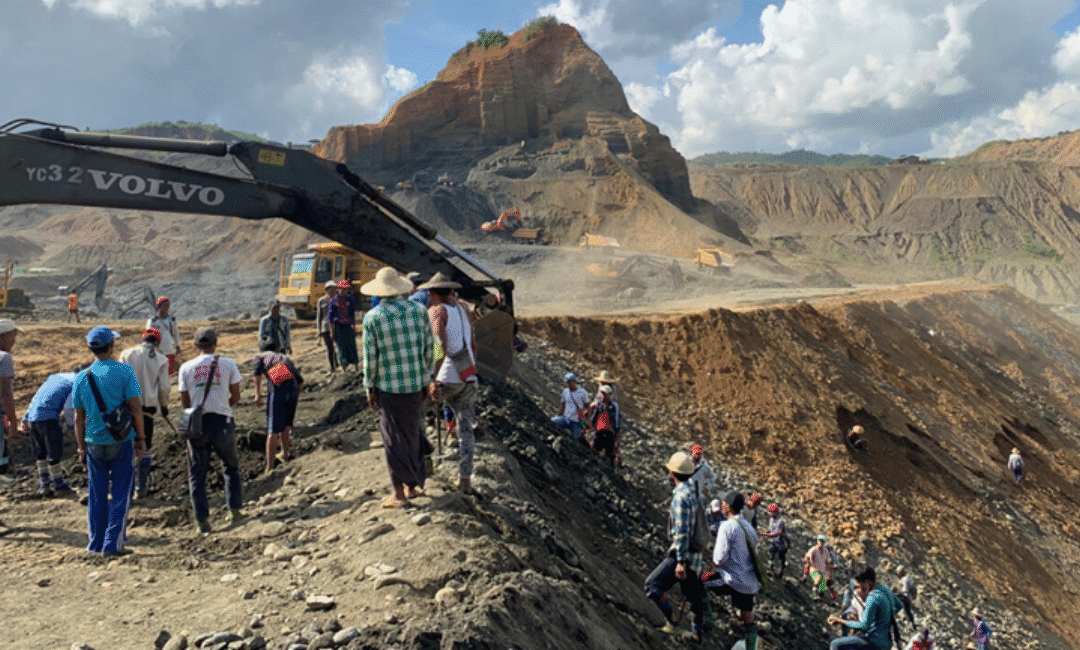
At Hermit Jade, we source our Jadeite directly from Myanmar’s ancient jadeite deposits, mainly in the Kachin State. The process of finding these stones is both physically tough and risky. Massive boulders are pulled from riverbeds and remote mountains, then taken to trading centers such as Mandalay or Myitkyina.
There, traders cut small "windows" into the boulders to see a bit of the colors and translucency inside, and prize each stone based on that. Buyers judge each stone by its outer appearance and the glimpse revealed through the small window, relying on their keen eyes and years of experience to decide whether it is worth buying. This practice is called “gambling on stone” or “stone gambling”—an act of instinct, skill, and courage. Some stones turn out to be disappointing when cut open; while a rare few reveal treasures worth millions.
The Origins of Jadeite Jade (1)
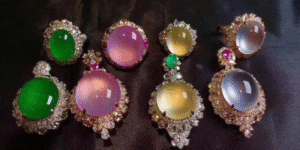
What truly distinguishes Jadeite in the market is not just its rarity, but its charming characters. Some glow with icy or classy clarity, others shine in rich imperial green, or bloom in gentle lavender. Every piece is like a fingerprint of the earth, completely unique and impossible to replicate. It can glow with icy clarity, radiate in imperial green, or bloom in soft lavender. In its finest form, Jadeite can far exceed the value of diamonds, rubies, and sapphires.
In the market, Jadeite jade is classified as Type A, Type B and Type C. Among them, only Type A Jadeite is pure, natural jadeite. The others have undergone chemical treatments and are often considered as fake by collectors.
The quality of Jadeite is determined by four key factors: color, transparency, texture, and treatment. At the very top, is untreated, vividly colored, and highly translucent Type A Jadeite—the kind Hermit Jade proudly specializes in. These stones are far more than accessories; they are heirlooms in the making, treasures that are to be cherished for generations.
The Crown of Modern Jade
While Nephrite jade was the jade of ancient China, carrying culture and history, Jadeite became the jade of Chinese modernity, elegance, and wealth. It entered into China only during the late Qing dynasty, but it quickly rose to the pinnacle of jade artistry and imperial status. Today, Jadeite is the most valuable and sought-after gemstones in China and even around the world.
At Hermit Jade, we believe that the journey of a Jadeite piece—from the depths of the earth to refined elegance and exquisite jewelry—as part of its power and poetry. We select our stones not just for their beauty, but for their presence and character: for the way they glow with light, reflect its history, and radiates quiet elegance. Every piece is more than jewelry; it is a living treasure, ready to be cherished for a life-time and passed down through generations.
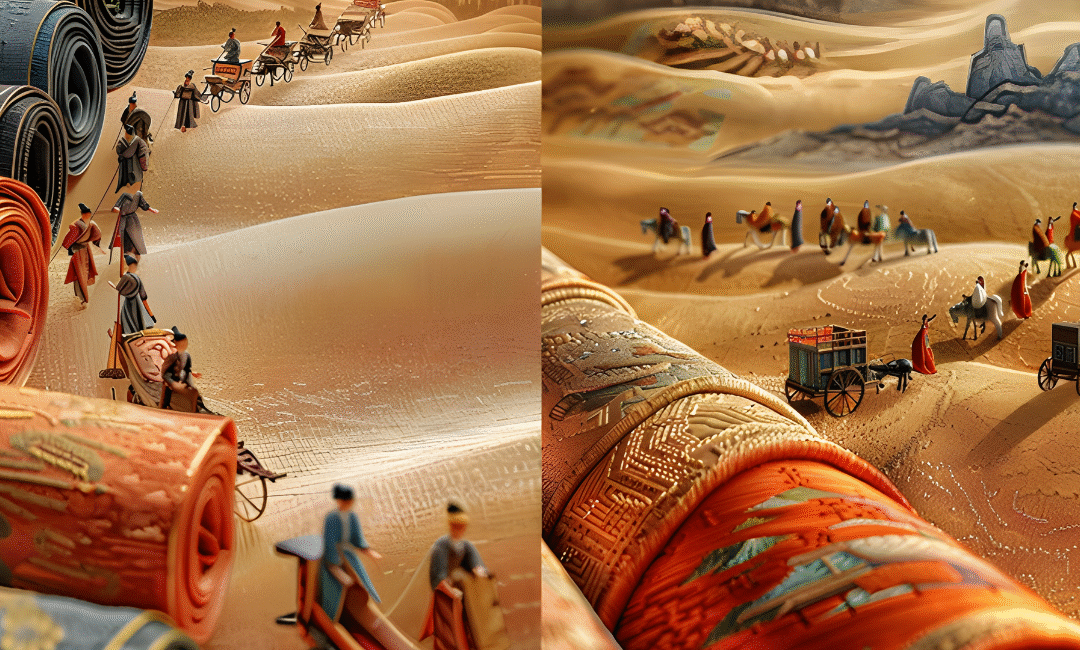
Chinese Silk Heritage — A Thread Through 5,000 Years of Culture
Silk and silk art stand among the most treasured cultural heritages of China. There are few materials in human history that carry such depth of civilization as silk does. Long before the West heard of this shimmering thread, Chinese artisans were already weaving it into symbols of power, beauty, and philosophy. In China, silk is not just a textile. It is an art form woven into the country’s cultural DNA—an embodiment of 5,000 years of wisdom, artistry, and quiet mastery.
How the Story Began
Chinese legend tells us that around 2700 BCE, Empress Leizu, wife of the Yellow Emperor, discovered silk when a cocoon fell into her teacup and unraveled in warm water. Whether myth or truth, the story reflects the ancient Chinese spirit of discovery and appreciation for natural beauty.
By the Shang and Zhou dynasties, silk had already transcended clothing—it was used in ancestral offerings, musical instruments, and early forms of writing.
During the Han dynasty (206 BCE–220 CE), silk became a pillar of diplomacy. The world-famous Silk Road took its name from this very fabric. It was not only a trade route, but also a cultural bridge connecting the East and the West. From Chang’an to Damascus, Chinese silk carried shimmering beauty and the philosophies of Confucius, the art of ink painting, and the rhythm of ancient poetry. Silk was China’s ambassador to the world.
Silk as Symbol, Treasure, and Art
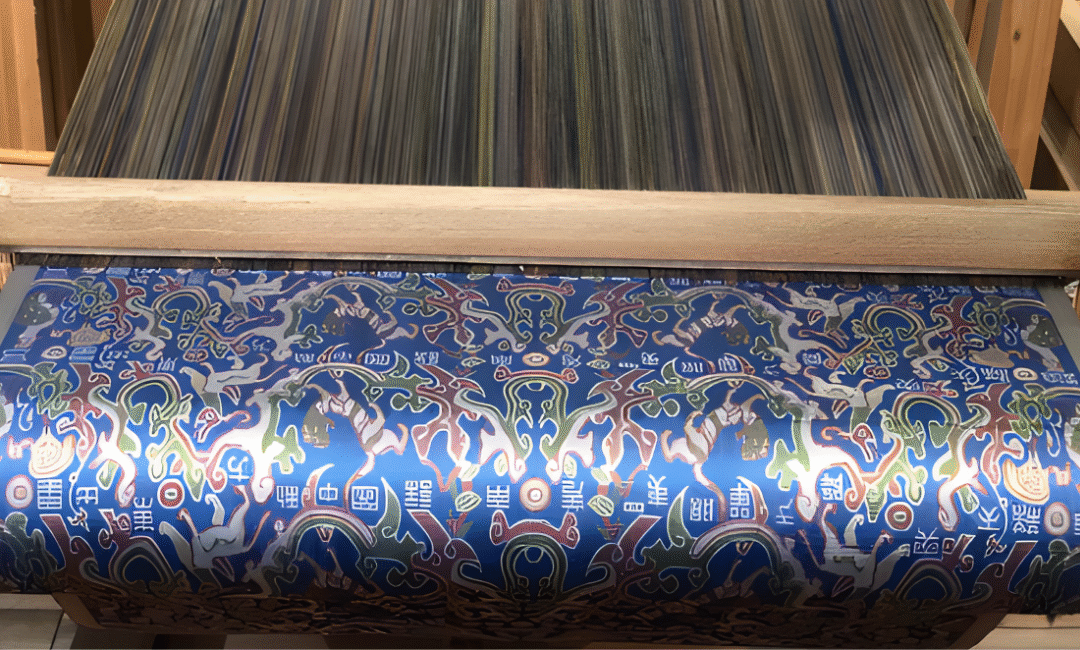
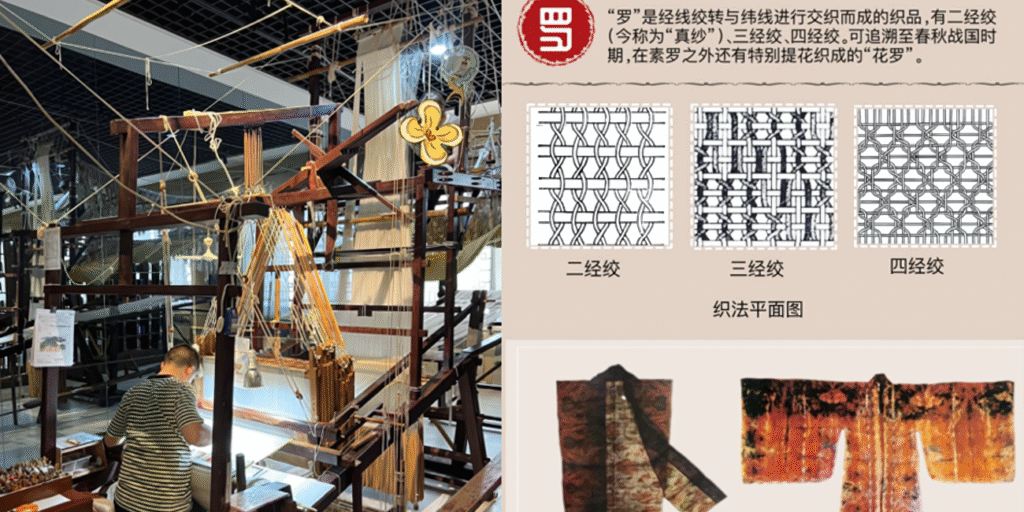
Unlike industrial fabrics, Chinese silk has always been a medium of for storytelling and spiritual expression. In ancient times, artisans used wooden looms to weave silk threads, bringing skill, patience, and a keen sense of beauty to their work. Patterns of clouds, cranes, waves, and dragons were more than decoration—they conveyed meanings of prosperity, protection, and immortality. Silk garments were not only clothing but statements of identity—reflecting one’s dynasty, rank, and personal aspiration.
Techniques evolved, too. From plain weaves to brocades, and to the breathtaking Jiao Luo, reinterpreted at Hermit Jade as “Moonlit Bloom.” Each kind of silk required unique looms, delicate skills, and months or even years of labor. These were not fabrics for daily wear, they were prized treasures for emperors, nobles, temples, and special ceremonies.
Silk as A Living Legacy at Hermit Jade
Many cultures produce silk, but only China has developed it into a living art through 5000 years of nurturing. Several Chinese silk techniques are now listed by UNESCO as intangible cultural heritage.
Today, a new generation of artisans is reviving these traditions. With refreshed creativity and craftsmanship, they weave their modern wisdom into each thread, keeping this ancient art alive while giving it new expression.
At Hermit Jade, when we introduce our silk collections to collectors worldwide, we are sharing a deep cultural legacy. It is a legacy that connects past and present, East and West, tradition and individuality. Our exclusive “Moonlit Bloom” silk, inspired by the Jiao Luo technique, is woven with traditional spacing and twisting methods. The result is a fabric that breathes like mist and shimmers like moonlight—delicate, expressive, and effortlessly wearable in modern life.
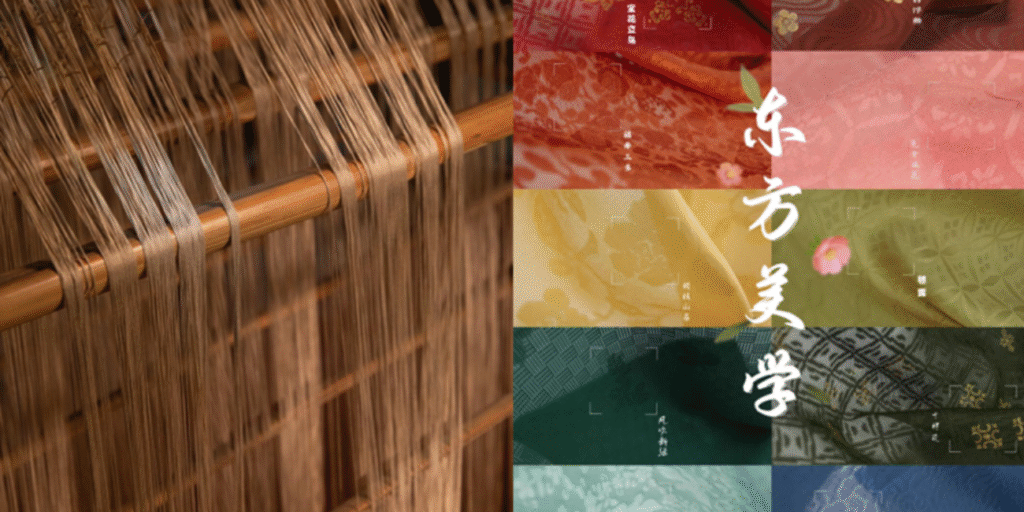
Our Spirit in Silk
At Hermit Jade, we understand both heritage and luxury.
We believe that true luxury lies in the soul of the material—and no fiber carries more soul than Chinese silk. That is why silk art stands as one of our core collections. Each piece we create whispers, “This is who we are, and where we come from.” When we wrap ourselves in silk, we honor memory, embrace time, and rediscover the meaning of true luxury.
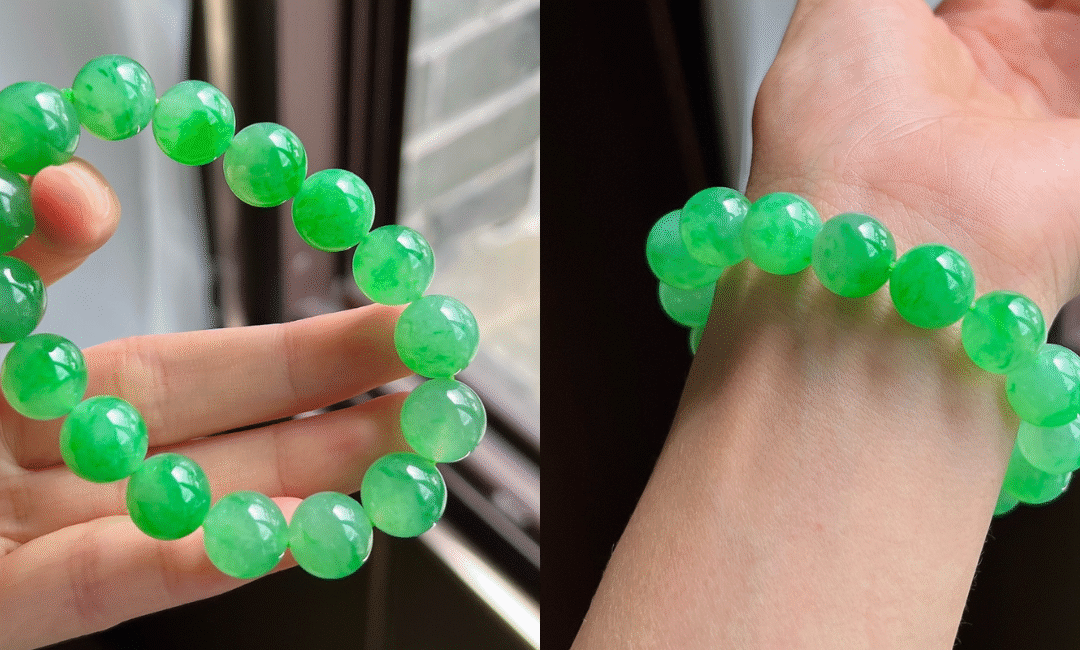
Jade Bracelet – Symbol of Elegance, Luck, and Healing | Hermit Jade Dubai
Looking for a meaningful and elegant accessory in Dubai? A jade bracelet is more than just a piece of jewellery—it's a timeless symbol of harmony, health, protection, and good fortune. At Hermit Jade, based in Deira, Dubai, we specialize in premium-quality authentic jade bracelets, sourced directly from trusted origins in Myanmar and China.
Whether you're purchasing for personal use or as a thoughtful gift, jade bracelets offer a unique blend of spiritual symbolism and natural beauty that makes them a favourite in UAE’s jewellery scene.
Why Choose a Jade Bracelet from Hermit Jade Dubai?
✅ 100% Natural and Certified Jadeite
✅ Wide variety of colors and styles – green, lavender, white, and black jade
✅ Elegant, handcrafted designs for men and women
✅ Located in Deira, Dubai, with both online and in-store shopping
✅ Ideal for healing, protection, and spiritual balance
Each piece at hermitjade.com is carefully selected and inspected for authenticity, quality, and energetic value. Our jade bracelets are not just stylish—they are believed to promote peace, ward off negative energy, and bring long-lasting good luck.
Types of Jade Bracelets Available
- Bangle Bracelets – Solid, unbroken circles of jade, symbolizing eternity
- Beaded Bracelets – Strung with round jade beads, perfect for daily wear
- Adjustable Cord Bracelets – Combining jade with adjustable red or black strings for modern aesthetics and spiritual charm
- Couples Jade Bracelets – A meaningful gift for loved ones
Where to Buy Jade Bracelets in Dubai?
You can visit us at our Deira, Dubai store or shop online at hermitjade.com to browse our full collection. We ship across the UAE with safe and fast delivery.
FAQs – Jade Bracelet in Dubai
Q1: Are your jade bracelets natural and authentic?
Yes, all our jade bracelets are made from natural jadeite or nephrite and come with authenticity assurance.
Q2: What is the benefit of wearing a jade bracelet?
Jade is believed to promote health, ward off negative energy, and bring prosperity. It's also used for emotional balance and spiritual protection.
Q3: Can men wear jade bracelets?
Absolutely! We offer a wide range of jade bracelets for men, including masculine designs and darker shades like black jade.
Q4: Do you deliver jade bracelets in UAE?
Yes, we provide safe and quick delivery throughout Dubai and the UAE. You can also visit our physical store in Deira.
Q5: How do I know what size jade bracelet to buy?
Our size guide on the website helps you choose the perfect fit. You can also contact us for custom sizing or advice.
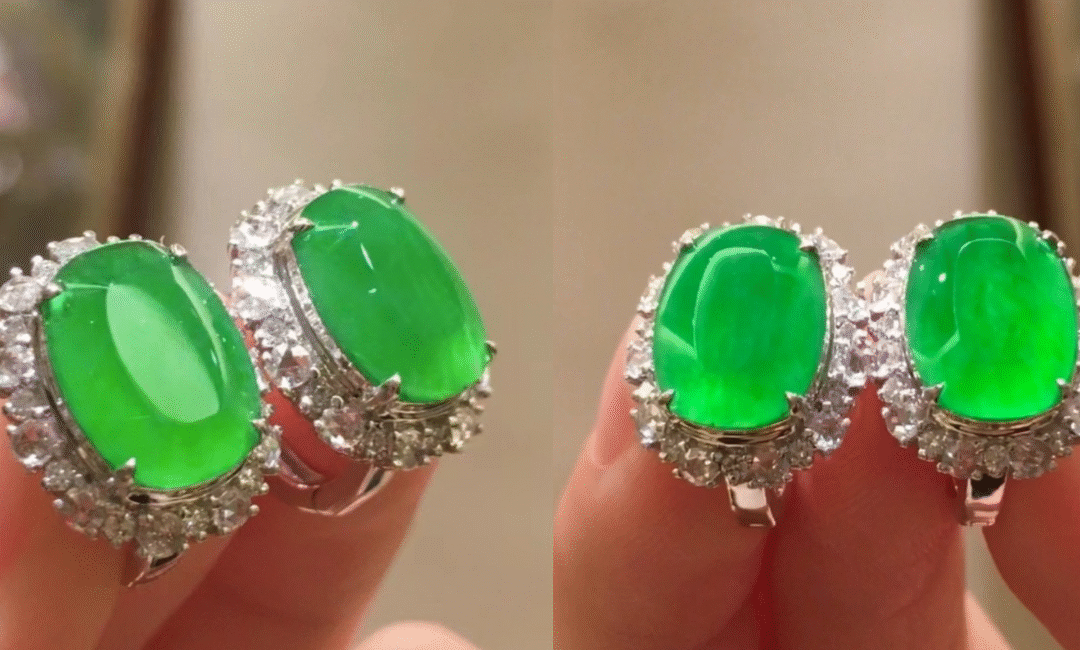
Vintage Jade Rings: A Gem of History, Elegance, and Soul
Are you looking for vintage jade rings? Then you are in the right place. A vintage jade ring is more than a piece of jewelry—it’s a whisper from the past, a symbol of timeless beauty, and a vessel of cultural memory. At HermitJade, we honor the legacy of jade through pieces that evoke nostalgia, craftsmanship, and spiritual depth.
What Is a Vintage Jade Ring?
A vintage jade ring typically refers to a jade ring crafted in a previous era—often between the 1920s and 1980s—featuring classic design elements, hand-carved details, and aged patina. These rings are prized for:
- Historical charm: Each ring carries the aesthetic of its time
- Authentic materials: Often made with untreated jadeite or nephrite
- Artisan techniques: Intricate carvings, filigree settings, and hand-forged bands
Vintage jade rings are not just accessories—they’re heirlooms that connect us to generations past.
Styles of Vintage Jade Rings
| Style | Era | Features |
|---|---|---|
| Art Deco Jade Ring | 1920s–1930s | Geometric lines, platinum settings, diamond accents |
| Mid-Century Jade Ring | 1950s–1970s | Bold cabochons, yellow gold, minimalist elegance |
| Victorian Jade Ring | Late 1800s–early 1900s | Ornate filigree, floral motifs, romantic symbolism |
| Chinese Export Jade Ring | 1940s–1960s | Hand-carved jade, dragon or phoenix motifs, cultural symbolism |
| Cocktail Jade Ring | 1960s–1980s | Large statement stones, dramatic settings, glamorous appeal |
Featured Vintage Jade Ring Images
Here are some stunning examples of vintage jade rings from across the web:
- Vintage Jadeite Jade Ring in Yellow Gold – Etsy
- Vintage Jade Ring with Scroll Shoulders – EraGem
- 1960s Jadeite Ring in 18K Gold – Peter Suchy Jewelers
- Large Vintage Jade Ring – Lang Antiques
- Mid-Century Marquise Jade Ring – Filigree Jewelers
Why Choose a Vintage Jade Ring from HermitJade?
At HermitJade.com, we curate vintage jade ring that embody authenticity, emotion, and craftsmanship. Each piece is selected for its:
- Historical provenance
- Unique imperfections that tell a story
- Spiritual and cultural resonance
Whether you're drawn to the elegance of Art Deco or the mysticism of Chinese jade carvings,
our vintage collection offers rings that speak to the soul.
FAQs About Vintage Jade Ring
What makes a jade ring “vintage”?
A jade ring is considered vintage if it was made at least 20–30 years ago, often reflecting the design trends and craftsmanship of its era.
How can I tell if a vintage jade ring is authentic?
Look for signs of hand-carving, aged metal settings, and natural jade textures. Authentic vintage jade often has a soft luster and may show signs of wear consistent with age.
Is vintage jade valuable?
Yes. Vintage jade—especially untreated jadeite—can be highly valuable depending on its origin, color, clarity, and craftsmanship. Some pieces are considered collector’s items.
Can vintage jade rings be worn daily?
Absolutely. Jade is a durable stone, and vintage rings are often made with sturdy settings. Just avoid harsh chemicals and store them safely.
How do I care for a vintage jade ring?
Clean gently with warm water and a soft cloth. Avoid ultrasonic cleaners and keep the ring away from extreme heat or chemicals.
Discover Your Heirloom
Explore the Vintage Jade Ring Collection at HermitJade.com and find a piece that resonates with your spirit and style. Each ring is a chapter from history—waiting to be worn, cherished, and passed on.