Jadeite Colors — And How Color Defines Value
Jadeite Colors — And How Color Defines Value
In the world of jadeite jewelry wearing and collection, color is not just a visual preference, it is the foundation of value and price of jadeite jade. Among experienced collectors and professionals, it is widely accepted that jadeite color determines 50% of a jadeite stone’s price, and in exceptional cases, even more.
Whether evaluating a jadeite jade stone, an imperial jade cabochon, a jade bangle, a jade bracelet, or a jade ring, color is always the first element to be judged. Brightness, saturation, purity, and translucency work together to define whether a piece of jadeite jade is ordinary, collectible, or truly rare.
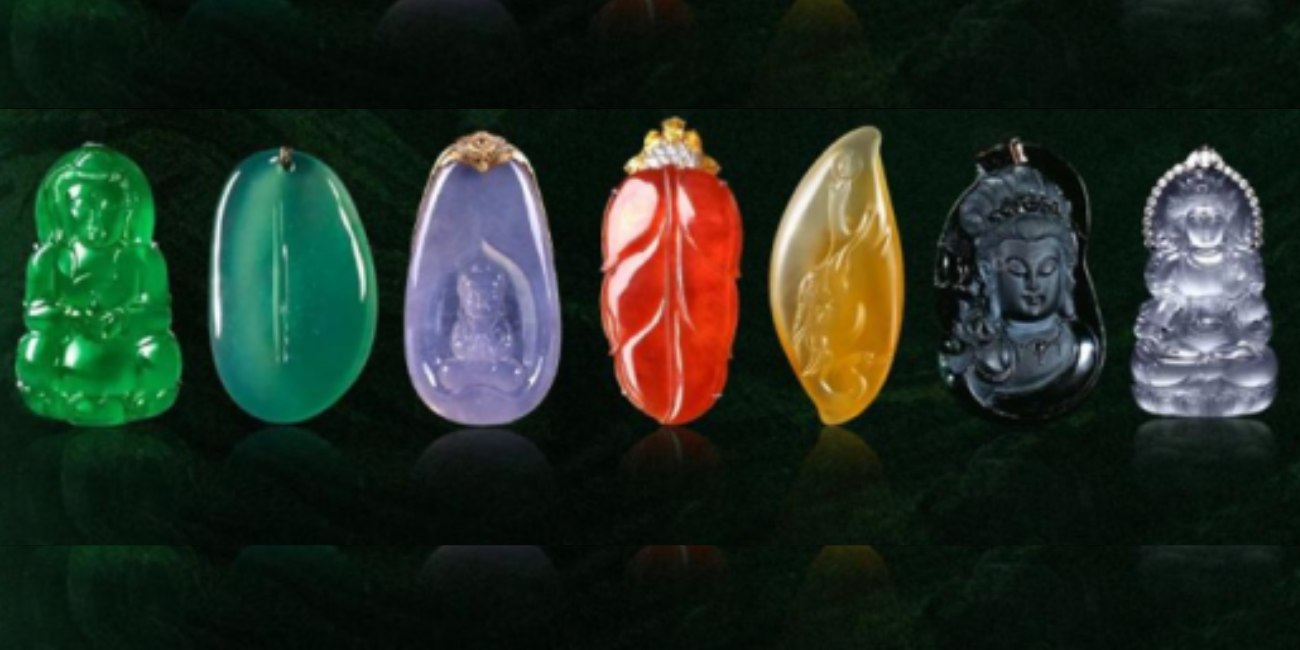
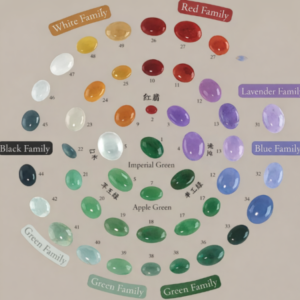
At Hermit Jade, every piece of natural jadeite and authentic jadeite jewelry is evaluated through professional color standards, because true jadeite value always begins with color. In this blog, we will share the seven major categories of jadeite jade colors that could be useful for a new collector.
Jadeite Colors — And How Color Defines Value
Green Jadeite — The Benchmark of Value
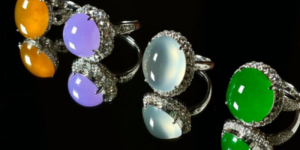
Green jadeite is universally recognized as the most valuable color family. When people think of real jadeite, they often envision vivid green jadeite with strong translucency and inner glow.
The finest example is Imperial Green jadeite, often cut as an imperial jade cabochon. This color appears rich, bright, and alive, maintaining its glow even under soft lighting. In the global market, top-quality imperial green jadeite commands the highest prices, and even small stones can reach remarkable price.
Lighter green jadeite, such as apple green, remains highly desirable when clean and bright. These colors are frequently used in jadeite jewelry designed for daily wear, including jade rings, bangles, and bracelets.
Green jade ring meaning: prosperity, vitality, growth
Meaning of jade ring in green jadeite: long-term fortune and protection
What does a jade ring symbolize? balance, continuity, and success
The brighter, richer, purer, and more translucent the green, the higher the jadeite stone price.
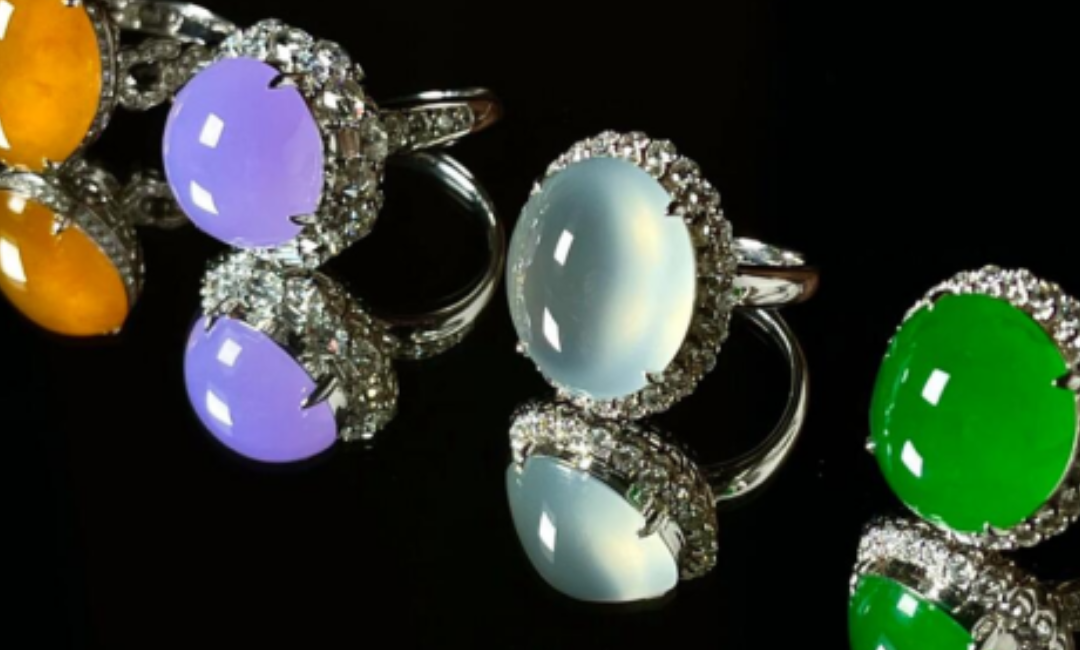
Lavender Jadeite — The Power of Vivid Purple
Lavender or purple jadeite gemstone ranges from light lilac to deep, vivid violet. In value assessment, the richer, brighter, and more saturated the purple, the more valuable the stone becomes.
Top-quality purple natural jadeite shows:
- Strong, even saturation
- Bright and lively tone
- Fine grain structure
- Clear translucency with inner glow
When purple is intense, vivid and striking, it expresses confidence and charm of women. Deep, vibrant violet jadeite can feel bold, radiant, even slightly mysterious. Lighter lavender and pink-purple tones can express elegance and femininity in a softer way. Both can be beautiful — but in terms of material quality, brightness, depth, and saturation always increase value. Uneven color, grayish tone, or dull texture will significantly lower the jadeite stone price, even if the color appears purple.
In high-level jadeite jewelry, exceptional purple jadeite is rare because it is difficult to find strong color combined with fine grain and glass or ice-level glow. When these elements come together, purple jadeite becomes highly collectible and powerful in appearance.
In jadeite jewelry, lavender jadeite is often chosen for pendants and jade stone rings for women where elegance and personal meaning are emphasized.
White / Icy Jadeite — Value Through Purity and Light
White jadeite, commonly referred to as icy jadeite, appears colorless or nearly transparent. In this category, value is determined by texture, clarity, and light performance rather than hue. Fine icy jadeite feels clean, pure, and luminous, making it popular in modern jadeite jewelry and minimalist jade rings.
White jade ring meaning: purity, clarity, new beginnings
What is a jade ring in icy jadeite? a symbol of simplicity with depth
Meaning of jade ring (white jade): clean energy and refined taste
Flawless, highly translucent and strong light jadeite with no color remains rare and highly valued.
Yellow and Red Jadeite — Warm and Uncommon
Yellow jadeite, sometimes called honey jade, derives its color from iron elements within the stone. When evenly colored and translucent, it displays warmth and vitality. Clean, bright yellow jadeite is less common than many expect and continues to gain appreciation among collectors.
Red jadeite is rarer still and usually appears in warm russet or reddish-brown tones. When naturally colored and well-textured, both yellow and red jadeite can hold strong value within the jadeite jade spectrum.
Blue and Gray Jadeite — Subtle and Restrained
Blue jadeite exists but typically appears soft rather than vivid. As gray tones increase, brightness decreases, and value declines accordingly. While these colors are less dominant in high-end jadeite jewelry, they still appeal to collectors who prefer understated elegance. In jadeite evaluation, brightness always outweighs rarity—a lively color will consistently surpass a dull one which is the reason that jadeite with blue or gray hue usually can’t have high price in market.
Black Jadeite — Strength in Simplicity
Black jadeite is opaque with a polished, sleek surface. The darker and purer the black, the higher the value. Any visible brown or green undertone lowers quality. Black jadeite is commonly used in men’s jadeite jewelry, especially jade rings and jade pendants.
Jade ring men’s meaning: strength, protection, resilience
Jade ring symbolism: stability and inner power
Jade ring significance: grounded confidence
Jadeite Colors — And How Color Defines Value (2)
Understanding Color Comes With Experience
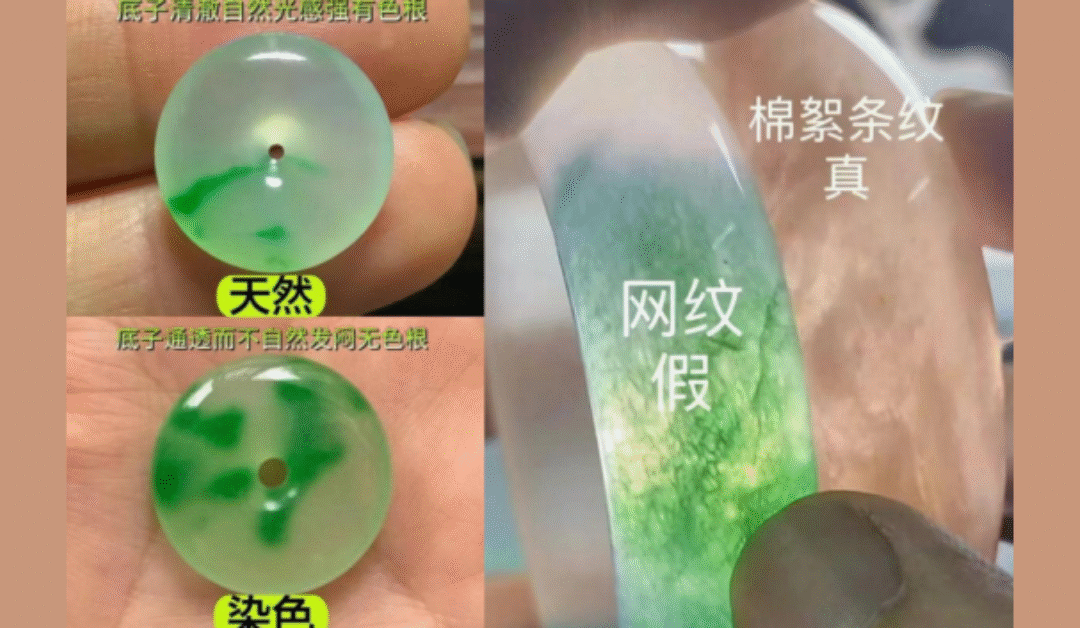
Jadeite color is something no photograph can fully capture. Brightness, depth, and translucency shift with light, movement, and distance—details that cannot be judged from a screen. Many jadeite images seen online are heavily edited or professionally staged to make the stone appear brighter, cleaner, and more translucent than it is in real life. Relying on such images to judge quality or pricing can be misleading.
The more real jadeite you see and compare in person, the more clearly you understand the differences in color and value. When stones are placed side by side in real life, what appears similar online can feel completely different in reality.
True appreciation of jadeite jade comes from seeing, comparing, and experiencing the stone directly. Never judge jadeite color from a single image or online display alone. Real jadeite reveals its true value only when viewed in person.