How to Tell Burmese Jade vs Guatemala Jade

How to Tell Burmese Jade vs Guatemala Jade

How to Tell Burmese Jade vs Guatemala Jade

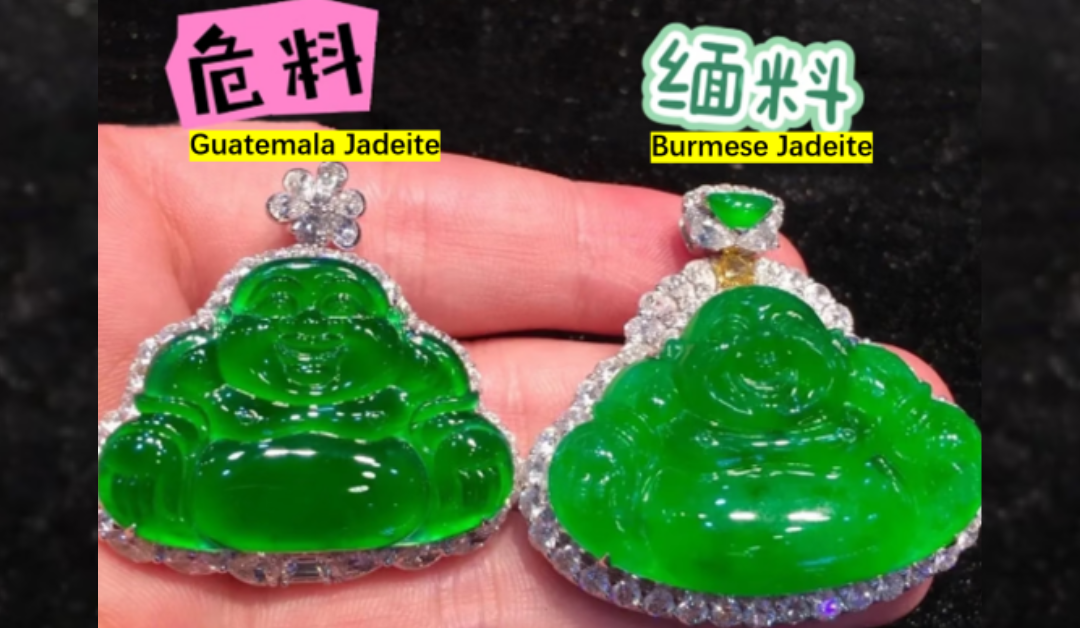
When it comes to premium jadeite, understanding the difference between Burmese jade vs Guatemala jade is essential for collectors, investors, and jewelry buyers. The origin of jadeite significantly affects its value, rarity, and overall appearance. While both types can look similar at first glance, there are key differences that help distinguish them.

Burmese Jade vs Guatemala Jade: Color Tone Differences

Warm vs Cool Undertones in Burmese Jade vs Guatemala Jade

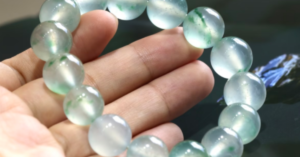
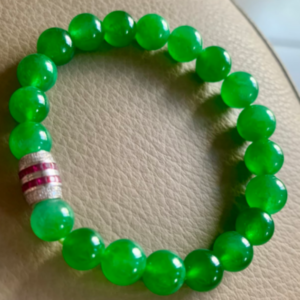
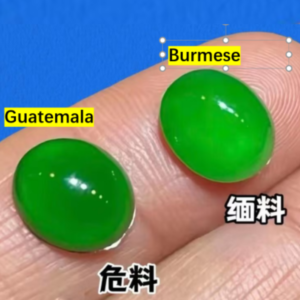
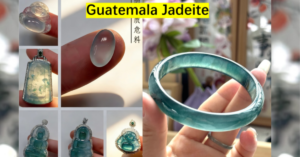
One of the most important indicators in identifying Burmese jade vs Guatemala jade is the color tone. Burmese jadeite typically shows a warm, vibrant glow, even in deep green shades like imperial green. In contrast, Guatemala jadeite often appears cooler, with bluish or grayish undertones.

How to Observe Color in Burmese Jade vs Guatemala Jade

Under natural daylight, Burmese jade looks brighter and more lively, while Guatemala jade may appear darker and less saturated—especially when viewed from different angles. Rotating the stone helps reveal how stable the color remains.
Burmese Jade vs Guatemala Jade

Burmese Jade vs Guatemala Jade

Burmese Jade vs Guatemala Jade: Light Performance

Living Light vs Surface Reflection in Burmese Jade vs Guatemala Jade

Another key difference in Burmese jade vs Guatemala jade is how light interacts with the stone. Burmese jadeite is known for its “living light,” where light enters and diffuses within the stone, creating a soft, moving glow.

Guatemala jadeite reflects more light from the surface, making it appear flatter and less dynamic.

How to Test Light Performance

Hold the jade near a natural light source and rotate it slowly. Burmese jade will show internal movement of light, while Guatemala jade will reflect light more statically.
Living Light vs Surface Reflection in Burmese Jade vs Guatemala Jade

Living Light vs Surface Reflection in Burmese Jade vs Guatemala Jade

Burmese Jade vs Guatemala Jade: Thickness and Structure

Thickness Impact on Burmese Jade vs Guatemala Jade

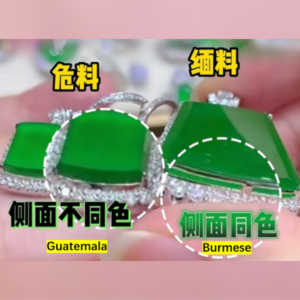
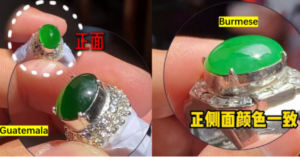
Burmese jadeite maintains its beauty even when cut thicker. Its color remains stable, and the stone continues to glow from within. Guatemala jadeite is more sensitive to thickness and is o
Burmese Jade vs Guatemala Jade Thickness and Structure

Burmese Jade vs Guatemala Jade Thickness and Structure

ften cut thinner to enhance its appearance.

Crystal Structure Differences in Burmese Jade vs Guatemala Jade

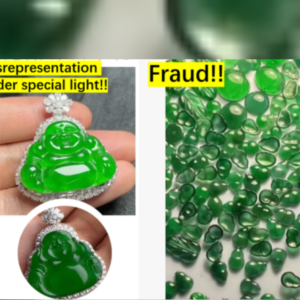
Burmese jade has a fine, compact crystal structure, giving it a smooth appearance. Guatemala jade tends to have a slightly grainy or coarser texture, sometimes visible under magnification.
Burmese Jade vs Guatemala Jade Clarity and Inclusions

Burmese Jade vs Guatemala Jade Clarity and Inclusions

Burmese Jade vs Guatemala Jade: Clarity and Inclusions

Inclusion Patterns in Burmese Jade vs Guatemala Jade

In Burmese jade vs Guatemala jade, inclusions appear differently. Burmese jadeite often shows soft, mist-like inclusions that blend naturally into the stone.

Guatemala jadeite may have more noticeable inclusions, such as darker spots or clustered patterns.
Burmese Jade vs Guatemala Jade Color Distribution

Burmese Jade vs Guatemala Jade Color Distribution

Burmese Jade vs Guatemala Jade: Color Distribution

Blended vs Segmented Color in Burmese Jade vs Guatemala Jade

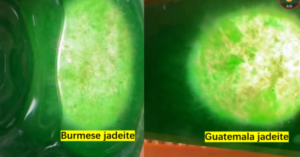
Color distribution is another distinguishing factor in Burmese jade vs Guatemala jade. Burmese jade typically has smooth and natural color transitions.

Guatemala jade often shows more segmented or patchy color areas, with visible boundaries between colors.
How to Tell Burmese Jade vs Guatemala Jade (7)

How to Tell Burmese Jade vs Guatemala Jade (7)

Final Thoughts on Burmese Jade vs Guatemala Jade

Understanding the differences between Burmese jade vs Guatemala jade helps buyers make informed decisions, especially when investing in high-quality jadeite jewelry. By observing color tone, light performance, structure, clarity, and color distribution, you can more confidently identify the origin and value of your jade.
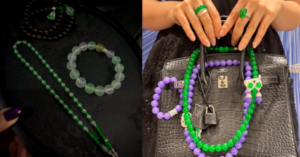
Jadeite Beads: The Most Versatile and Personal Form of Jadeite Jewelry

Jadeite Beads: The Most Versatile and Personal Form of Jadeite Jewelry

Jadeite Beads: The Most Versatile and Personal Form of Jadeite Jewelry

Among all jadeite jewelry, jadeite beads are the most versatile—and for many collectors, the most enjoyable. They can be collected one by one, combined in different ways, and redesigned over time. No other form of jade offers this level of personal expression. They look simple, round, smooth, minimalist. Yet behind this simplicity lies one of the most demanding and luxurious forms of jadeite.

In the jadeite world, there is a famous saying: “High-quality jade is rarely used to make beads.” This saying reflects an important truth: creating a beautiful jadeite bead necklace or jadeite bead bracelet requires a huge amount of jade material and extremely high-quality raw stone. Because of this, fine jadeite beads have become some of the most respected treasures among serious jade collectors.

Why Jadeite Beads Require So Much Jade Material

Among all jadeite jewelry types (jade bangles, jade cabochons, jade pendants, and jade carvings), beads require the most raw material.

When carving a pendant, artisans can follow the natural shape of the jade and avoid flaws. When making a jadeite cabochon, only a small section of the best material is required. But jadeite beads are different. Each bead must be carved from a solid piece of jadeite in order to form a perfect sphere. For example: A high-quality 18-bead jadeite bracelet requires a lot more raw jade material than a jade pendant or even a jade bangle of similar weight. Beads are also extremely strict about cracks. A pendant may hide imperfections through carving. A bead cannot hide anything. If a crack appears during cutting, the bead becomes unusable.

This is why high-quality jadeite bead bracelets and necklaces are extremely rare. Most jade bead bracelets available on the market today are made from lighter colored jadeite or lower-grade material. Very occasionally, higher-quality beads appear, but they are usually small — often under 7mm in diameter. Large high-quality jadeite beads are extremely hard to obtain and are mostly in wealthy collectors’ hands.

Jadeite Bead Necklaces: The Ultimate Treasure for Jade Collectors

At international auctions, jadeite bead necklaces are often the most valuable jade jewelry pieces. One famous example occurred in Hong Kong. In 2014, a natural jadeite bead necklace sold for HKD 214 millions, setting a record for jade jewelry. The necklace contained 27 perfectly matched Burmese jadeite beads, each approximately 15mm in diameter. They were cut from the same jadeite rough stone, all beads from one same raw stone, having the same color, transparency, texture and quality.

Why are jadeite bead necklaces so valuable? Because assembling one is extraordinarily difficult and expensive. First, you must discover a large piece of high-quality natural jadeite with excellent grain and glow, attractive color, minimal impurities, no structural cracks. Then the jade must be cut into dozens of perfectly round beads. Each bead must be symmetrical, flawless, consistent in color, identical in size. This rarity makes jadeite bead necklaces one of the most desirable pieces in the world of jade collecting.

 How Experts Evaluate Jadeite Beads

Experienced collectors evaluate jadeite beads and jade bead bracelets based on several key factors.

1. Jadeite Quality: Color, Transparency, and Purity

Like jade cabochons, jadeite beads have smooth surfaces without carving. This means the jade itself must be naturally beautiful. And like any other jadeite category, beads have the same evaluation standard in terms of quality.

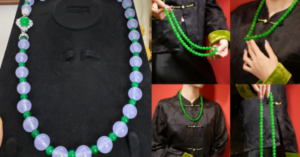
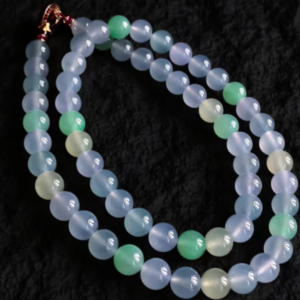
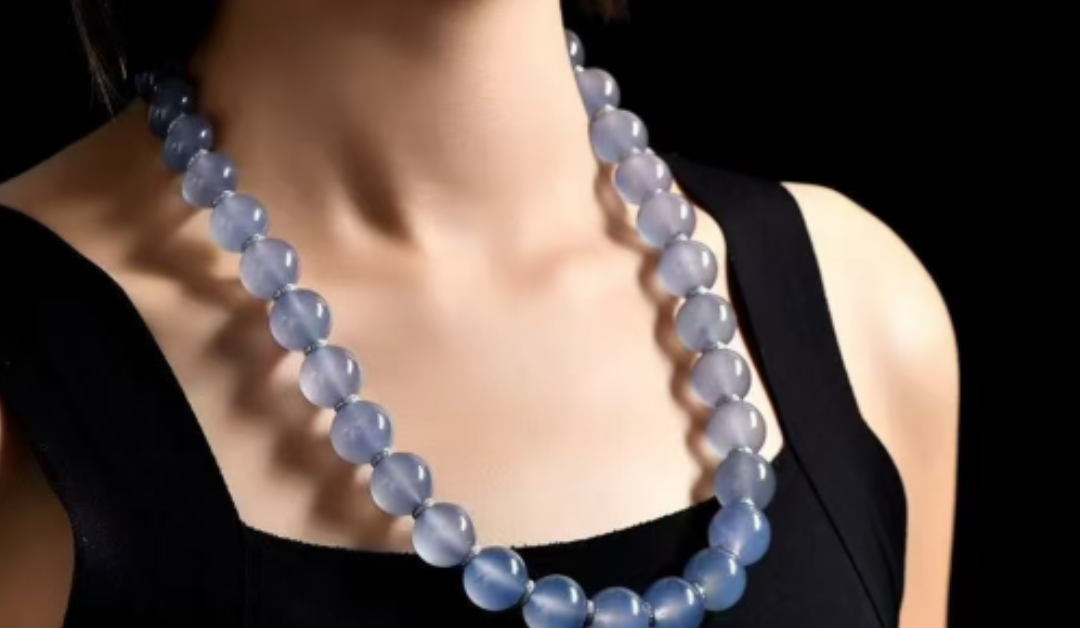
Color: For jadeite bead necklaces or bracelets, while senior collectors prefer bright or intense color, they also look for consistency in color or how the beads match with each other as a whole. Whether the beads are imperial green jadeite, lavender jadeite, bright yellow or red, icy white jadeite, floating green jade, or blue hue jadeite, the entire necklace or bracelet should feel visually harmonious and beautiful.

Transparency (grain and glow):

beads with higher grain and glow are far more expensive. Wealthy collectors prefer ice-type or even glass-type jadeite beads, appearing luminous and clear like frozen water droplets, with beautiful light and glow. Lower-quality jadeite beads appear cloudy or dull.

Purity and flaws: Like we mentioned many times, there is never a perfectly looking natural jadeite piece, and it is the same for beads. When choosing beads for collection, the standard is each bead is clean enough and there is no cracks or visible flaws under human eyes. Seasoned collectors will not expect a bead to be as clean as jadeite cabochons.

2. Structural Integrity: Same or Similar Material

The best jadeite bead necklaces or bracelets are cut from a single jade stone. This ensures consistency in color, transparency, and texture. If beads come from different stones, subtle differences become visible. For rainbow bracelets, where collectors collect beads of different colors one by one, the transparency and texture should be similar so it looks harmonious and with smooth visual flow when made into one bracelet.

Shape and Size

Shape and Size

3. Shape and Size

The most classic and valuable bead shape is the perfect round jade bead. A true round bead must be symmetrical in every direction. If the bead becomes slightly oval or flattened, its value drops. Other shapes also appear in jade bead jewelry, such as barrel beads, old-style beads and abacus beads. However, perfectly round beads remain the most traditional and valuable.


Jadeite Colors — And How Color Defines Value

Jadeite Colors — And How Color Defines Value

Jadeite Colors — And How Color Defines Value

In the world of jadeite jewelry wearing and collection, color is not just a visual preference, it is the foundation of value and price of jadeite jade. Among experienced collectors and professionals, it is widely accepted that jadeite color determines 50% of a jadeite stone’s price, and in exceptional cases, even more.

Whether evaluating a jadeite jade stone, an imperial jade cabochon, a jade bangle, a jade bracelet, or a jade ring, color is always the first element to be judged. Brightness, saturation, purity, and translucency work together to define whether a piece of jadeite jade is ordinary, collectible, or truly rare.

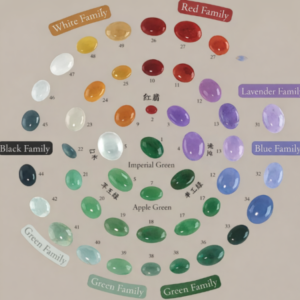
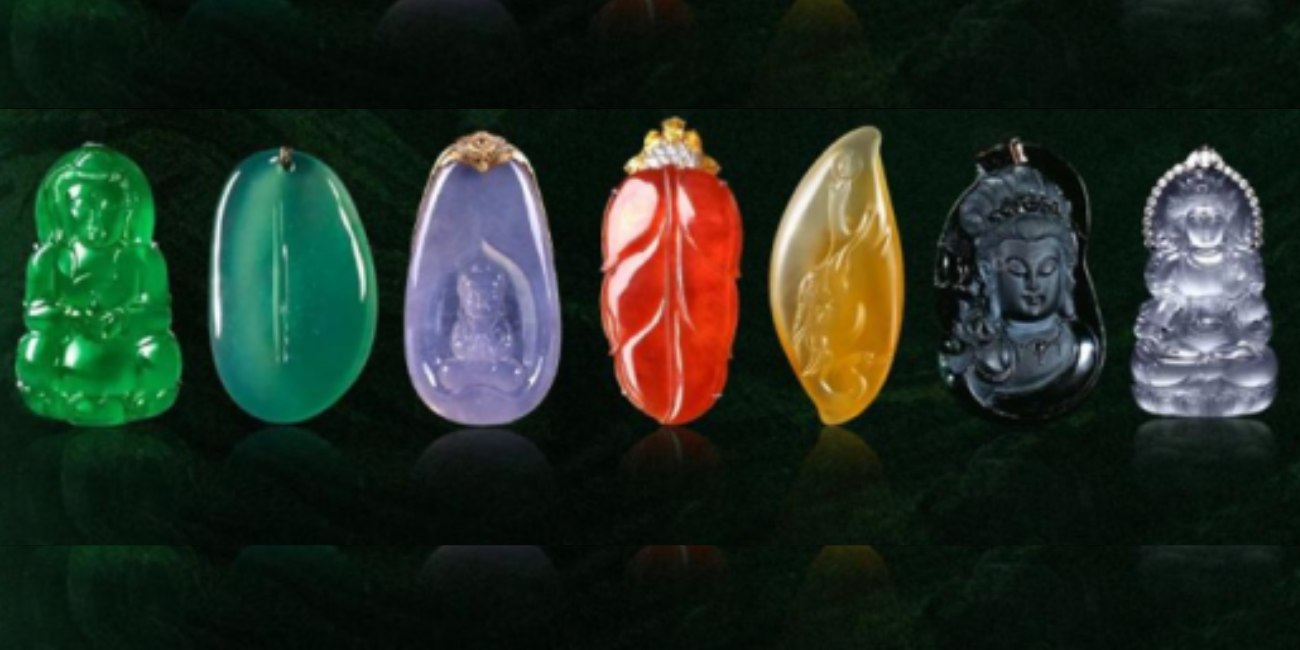
At Hermit Jade, every piece of natural jadeite and authentic jadeite jewelry is evaluated through professional color standards, because true jadeite value always begins with color. In this blog, we will share the seven major categories of jadeite jade colors that could be useful for a new collector.

Jadeite Colors — And How Color Defines Value

Jadeite Colors — And How Color Defines Value

Green Jadeite — The Benchmark of Value

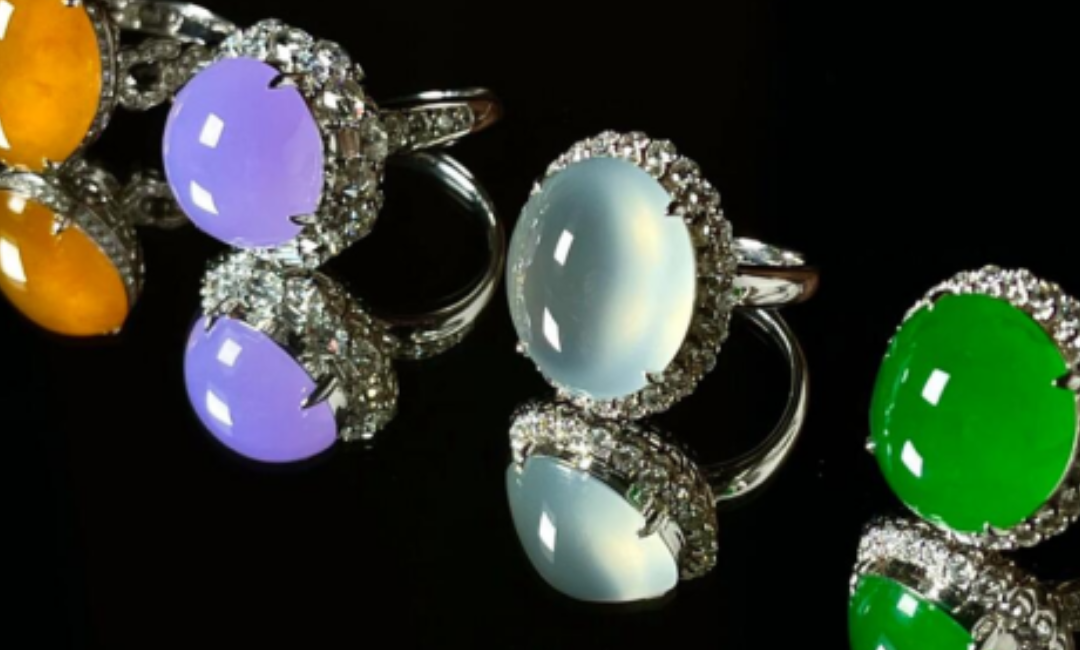
Green jadeite is universally recognized as the most valuable color family. When people think of real jadeite, they often envision vivid green jadeite with strong translucency and inner glow.

The finest example is Imperial Green jadeite, often cut as an imperial jade cabochon. This color appears rich, bright, and alive, maintaining its glow even under soft lighting. In the global market, top-quality imperial green jadeite commands the highest prices, and even small stones can reach remarkable price.

Lighter green jadeite, such as apple green, remains highly desirable when clean and bright. These colors are frequently used in jadeite jewelry designed for daily wear, including jade rings, bangles, and bracelets.

Green jade ring meaning: prosperity, vitality, growth
Meaning of jade ring in green jadeite: long-term fortune and protection
What does a jade ring symbolize? balance, continuity, and success

The brighter, richer, purer, and more translucent the green, the higher the jadeite stone price.

Lavender Jadeite — The Power of Vivid Purple

Lavender or purple jadeite gemstone ranges from light lilac to deep, vivid violet. In value assessment, the richer, brighter, and more saturated the purple, the more valuable the stone becomes.

Top-quality purple natural jadeite shows:

  • Strong, even saturation
  • Bright and lively tone
  • Fine grain structure
  • Clear translucency with inner glow

When purple is intense, vivid and striking, it expresses confidence and charm of women. Deep, vibrant violet jadeite can feel bold, radiant, even slightly mysterious. Lighter lavender and pink-purple tones can express elegance and femininity in a softer way. Both can be beautiful — but in terms of material quality, brightness, depth, and saturation always increase value. Uneven color, grayish tone, or dull texture will significantly lower the jadeite stone price, even if the color appears purple.

In high-level jadeite jewelry, exceptional purple jadeite is rare because it is difficult to find strong color combined with fine grain and glass or ice-level glow. When these elements come together, purple jadeite becomes highly collectible and powerful in appearance.

 In jadeite jewelry, lavender jadeite is often chosen for pendants and jade stone rings for women where elegance and personal meaning are emphasized.

White / Icy Jadeite — Value Through Purity and Light

White jadeite, commonly referred to as icy jadeite, appears colorless or nearly transparent. In this category, value is determined by texture, clarity, and light performance rather than hue. Fine icy jadeite feels clean, pure, and luminous, making it popular in modern jadeite jewelry and minimalist jade rings.

White jade ring meaning: purity, clarity, new beginnings
What is a jade ring in icy jadeite? a symbol of simplicity with depth
Meaning of jade ring (white jade): clean energy and refined taste

Flawless, highly translucent and strong light jadeite with no color remains rare and highly valued.

Yellow and Red Jadeite — Warm and Uncommon

Yellow jadeite, sometimes called honey jade, derives its color from iron elements within the stone. When evenly colored and translucent, it displays warmth and vitality. Clean, bright yellow jadeite is less common than many expect and continues to gain appreciation among collectors.

Red jadeite is rarer still and usually appears in warm russet or reddish-brown tones. When naturally colored and well-textured, both yellow and red jadeite can hold strong value within the jadeite jade spectrum.

Blue and Gray Jadeite — Subtle and Restrained

Blue jadeite exists but typically appears soft rather than vivid. As gray tones increase, brightness decreases, and value declines accordingly. While these colors are less dominant in high-end jadeite jewelry, they still appeal to collectors who prefer understated elegance. In jadeite evaluation, brightness always outweighs rarity—a lively color will consistently surpass a dull one which is the reason that jadeite with blue or gray hue usually can’t have high price in market.

Black Jadeite — Strength in Simplicity

Black jadeite is opaque with a polished, sleek surface. The darker and purer the black, the higher the value. Any visible brown or green undertone lowers quality. Black jadeite is commonly used in men’s jadeite jewelry, especially jade rings and jade pendants.

Jade ring men’s meaning: strength, protection, resilience
Jade ring symbolism: stability and inner power
Jade ring significance: grounded confidence

Jadeite Colors — And How Color Defines Value (2)

Jadeite Colors — And How Color Defines Value (2)

Understanding Color Comes With Experience

Jadeite color is something no photograph can fully capture. Brightness, depth, and translucency shift with light, movement, and distance—details that cannot be judged from a screen. Many jadeite images seen online are heavily edited or professionally staged to make the stone appear brighter, cleaner, and more translucent than it is in real life. Relying on such images to judge quality or pricing can be misleading.

The more real jadeite you see and compare in person, the more clearly you understand the differences in color and value. When stones are placed side by side in real life, what appears similar online can feel completely different in reality.

True appreciation of jadeite jade comes from seeing, comparing, and experiencing the stone directly. Never judge jadeite color from a single image or online display alone. Real jadeite reveals its true value only when viewed in person.

Jadeite Colors — And How Color Defines Value (3)

True Jadeite vs. Fake Jadeite

True Jadeite vs. Fake Jadeite

Journal

True Jadeite vs. Fake Jadeite

Step into the world of China’s finest cultural treasures — from the rarest jade to masterful heritage artistry. We share stories, craftsmanship, and traditions that transcend time, revealing the essence of true luxury.