
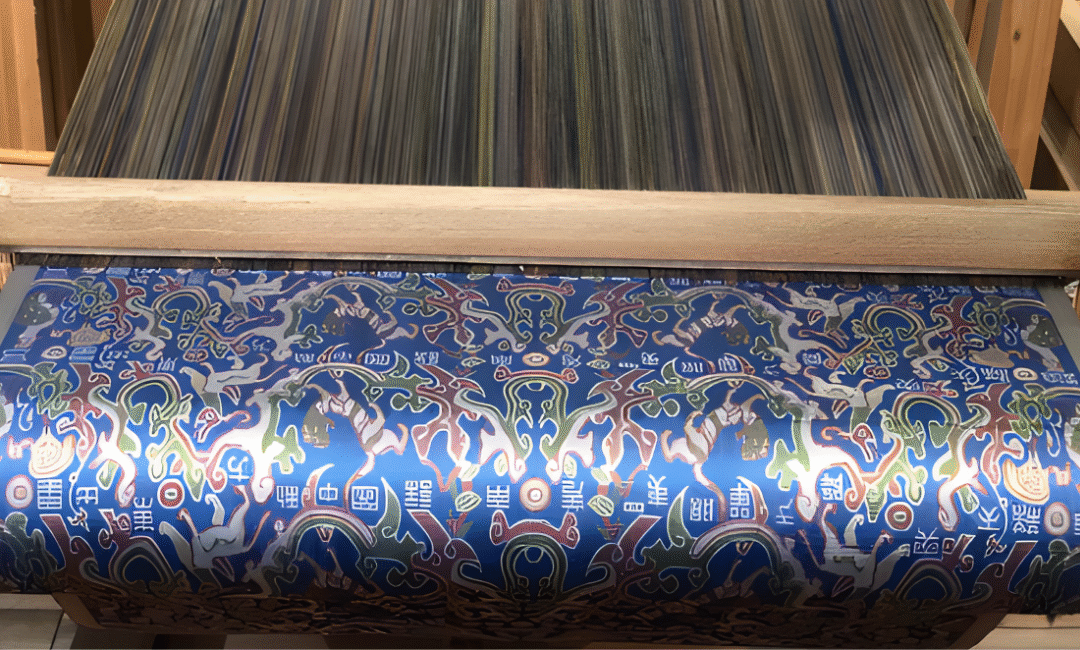
High-End Silk Is Not a Fabric—It’s China’s Woven Soul
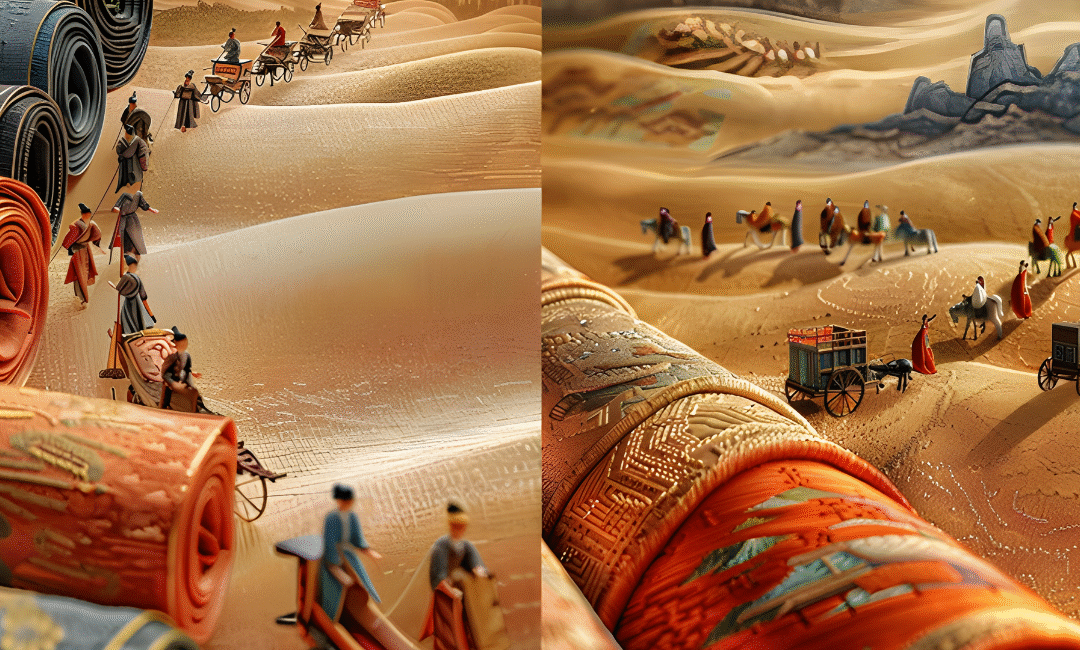
Chinese Silk Heritage — A Thread Through 5,000 Years of Culture
Silk and silk art stand among the most treasured cultural heritages of China. There are few materials in human history that carry such depth of civilization as silk does. Long before the West heard of this shimmering thread, Chinese artisans were already weaving it into symbols of power, beauty, and philosophy. In China, silk is not just a textile. It is an art form woven into the country’s cultural DNA—an embodiment of 5,000 years of wisdom, artistry, and quiet mastery.
How the Story Began
Chinese legend tells us that around 2700 BCE, Empress Leizu, wife of the Yellow Emperor, discovered silk when a cocoon fell into her teacup and unraveled in warm water. Whether myth or truth, the story reflects the ancient Chinese spirit of discovery and appreciation for natural beauty.
By the Shang and Zhou dynasties, silk had already transcended clothing—it was used in ancestral offerings, musical instruments, and early forms of writing.
During the Han dynasty (206 BCE–220 CE), silk became a pillar of diplomacy. The world-famous Silk Road took its name from this very fabric. It was not only a trade route, but also a cultural bridge connecting the East and the West. From Chang’an to Damascus, Chinese silk carried shimmering beauty and the philosophies of Confucius, the art of ink painting, and the rhythm of ancient poetry. Silk was China’s ambassador to the world.
Silk as Symbol, Treasure, and Art
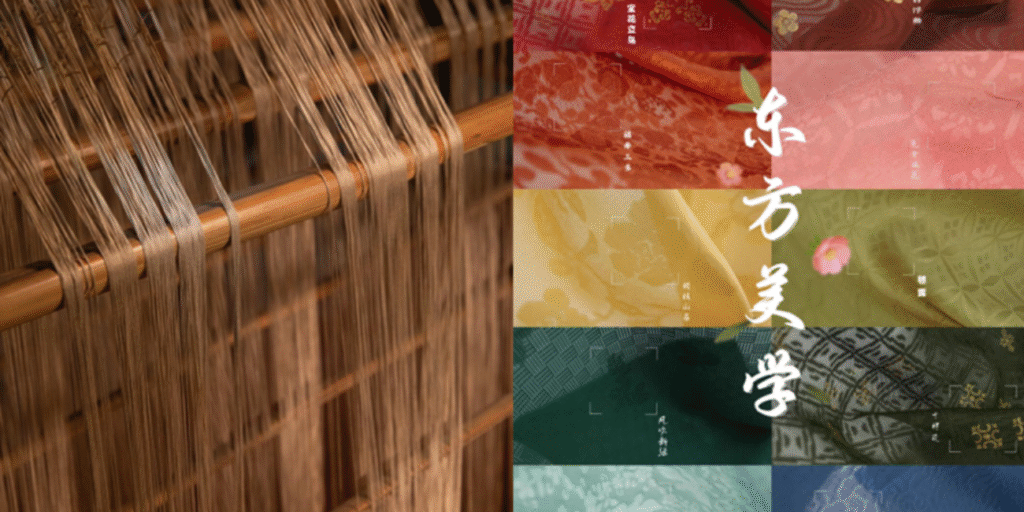
Unlike industrial fabrics, Chinese silk has always been a medium of for storytelling and spiritual expression. In ancient times, artisans used wooden looms to weave silk threads, bringing skill, patience, and a keen sense of beauty to their work. Patterns of clouds, cranes, waves, and dragons were more than decoration—they conveyed meanings of prosperity, protection, and immortality. Silk garments were not only clothing but statements of identity—reflecting one’s dynasty, rank, and personal aspiration.
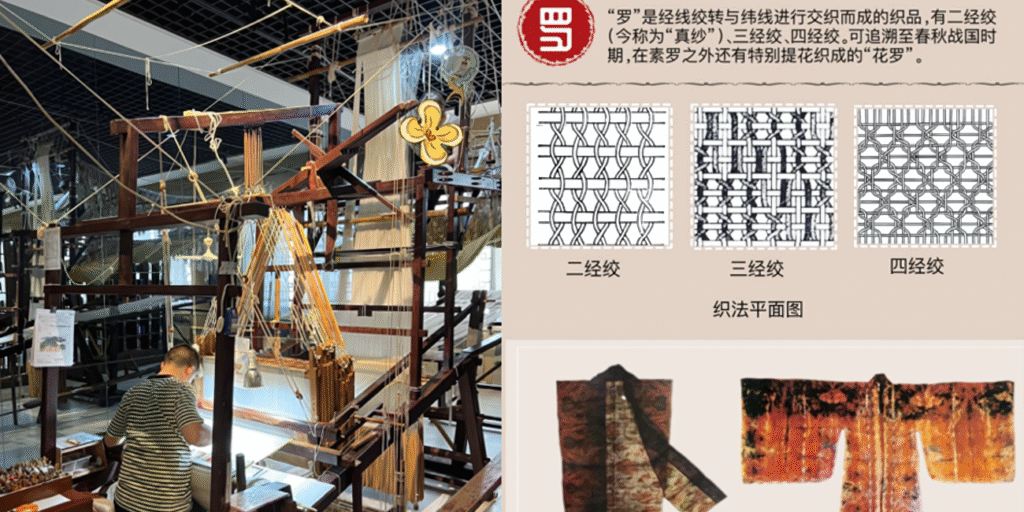
Techniques evolved, too. From plain weaves to brocades, and to the breathtaking Jiao Luo, reinterpreted at Hermit Jade as “Moonlit Bloom.” Each kind of silk required unique looms, delicate skills, and months or even years of labor. These were not fabrics for daily wear, they were prized treasures for emperors, nobles, temples, and special ceremonies.
Silk as A Living Legacy at Hermit Jade
Many cultures produce silk, but only China has developed it into a living art through 5000 years of nurturing. Several Chinese silk techniques are now listed by UNESCO as intangible cultural heritage.
Today, a new generation of artisans is reviving these traditions. With refreshed creativity and craftsmanship, they weave their modern wisdom into each thread, keeping this ancient art alive while giving it new expression.
At Hermit Jade, when we introduce our silk collections to collectors worldwide, we are sharing a deep cultural legacy. It is a legacy that connects past and present, East and West, tradition and individuality. Our exclusive “Moonlit Bloom” silk, inspired by the Jiao Luo technique, is woven with traditional spacing and twisting methods. The result is a fabric that breathes like mist and shimmers like moonlight—delicate, expressive, and effortlessly wearable in modern life.
Our Spirit in Silk
At Hermit Jade, we understand both heritage and luxury.
We believe that true luxury lies in the soul of the material—and no fiber carries more soul than Chinese silk. That is why silk art stands as one of our core collections. Each piece we create whispers, “This is who we are, and where we come from.” When we wrap ourselves in silk, we honor memory, embrace time, and rediscover the meaning of true luxury.